How to Say "rancher" in Spanish
The most common Spanish word for “rancher” is “granjero” — use 'granjero' for a general term for a farmer or someone who raises livestock, which can include crops or a wider variety of farm animals.


grahn-HEH-rohɡɾanˈxeɾo
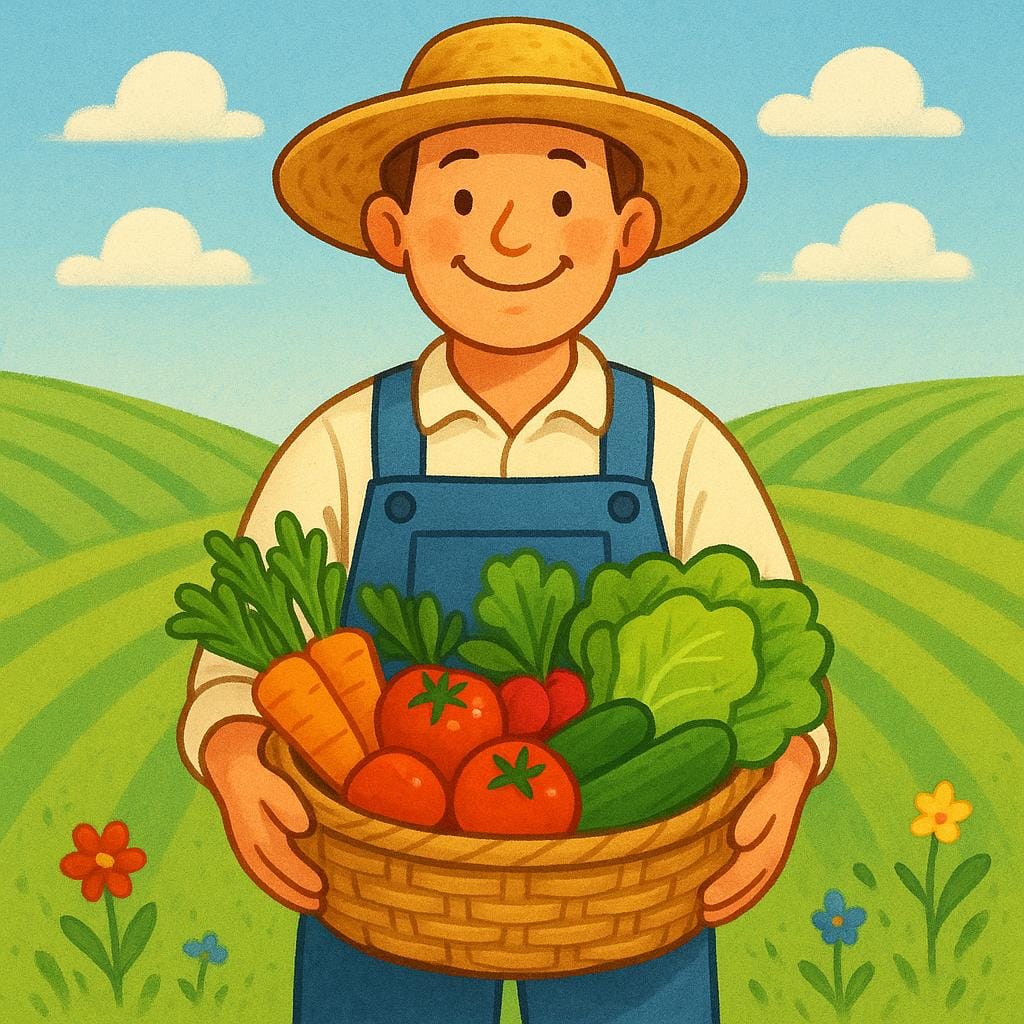
Examples
El granjero cuida de sus ovejas y pollos.
The farmer takes care of his sheep and chickens.
El granjero se levantó al amanecer para ordeñar las vacas.
The farmer got up at dawn to milk the cows.
Mi tío es granjero y cultiva principalmente trigo y cebada.
My uncle is a farmer and mainly grows wheat and barley.
Los granjeros de la región se reunieron para discutir el precio del mercado.
The ranchers (or farmers) of the region met to discuss the market price.
Gender Change
Since 'granjero' ends in -o, it refers to a man. To talk about a woman who does the same job, you simply change the ending to -a: 'la granjera'.
Confusing 'Granjero' and 'Agricultor'
Mistake: “Using 'agricultor' when you mean a small, general farmer.”
Correction: 'Granjero' is the common, everyday word for someone who runs a farm or ranch. 'Agricultor' is more formal and focuses specifically on crop cultivation (agriculture).
vah-KEH-rohbaˈkeɾo

Examples
El vaquero guió al ganado a través del campo.
The ranch hand guided the cattle across the field.
El vaquero montó su caballo al amanecer para revisar el ganado.
The cowboy mounted his horse at dawn to check the cattle.
Mi abuelo era vaquero en Texas.
My grandfather was a rancher in Texas.
Gender Matching
Remember that 'vaquero' is masculine (el vaquero). If you are referring to a woman, the word changes to 'vaquera' (la vaquera).
Granjero vs. Vaquero
Learners often use 'granjero' for any type of farm work, but it's important to know that 'vaquero' is the specific term for someone working with cattle on a ranch. If the context is strictly cattle ranching, 'vaquero' is more precise.
Related Translations
Learn Spanish with Inklingo
Interactive stories, personalized learning, and more.