paja
“paja” means “straw” in Spanish. It has 3 different meanings depending on context:
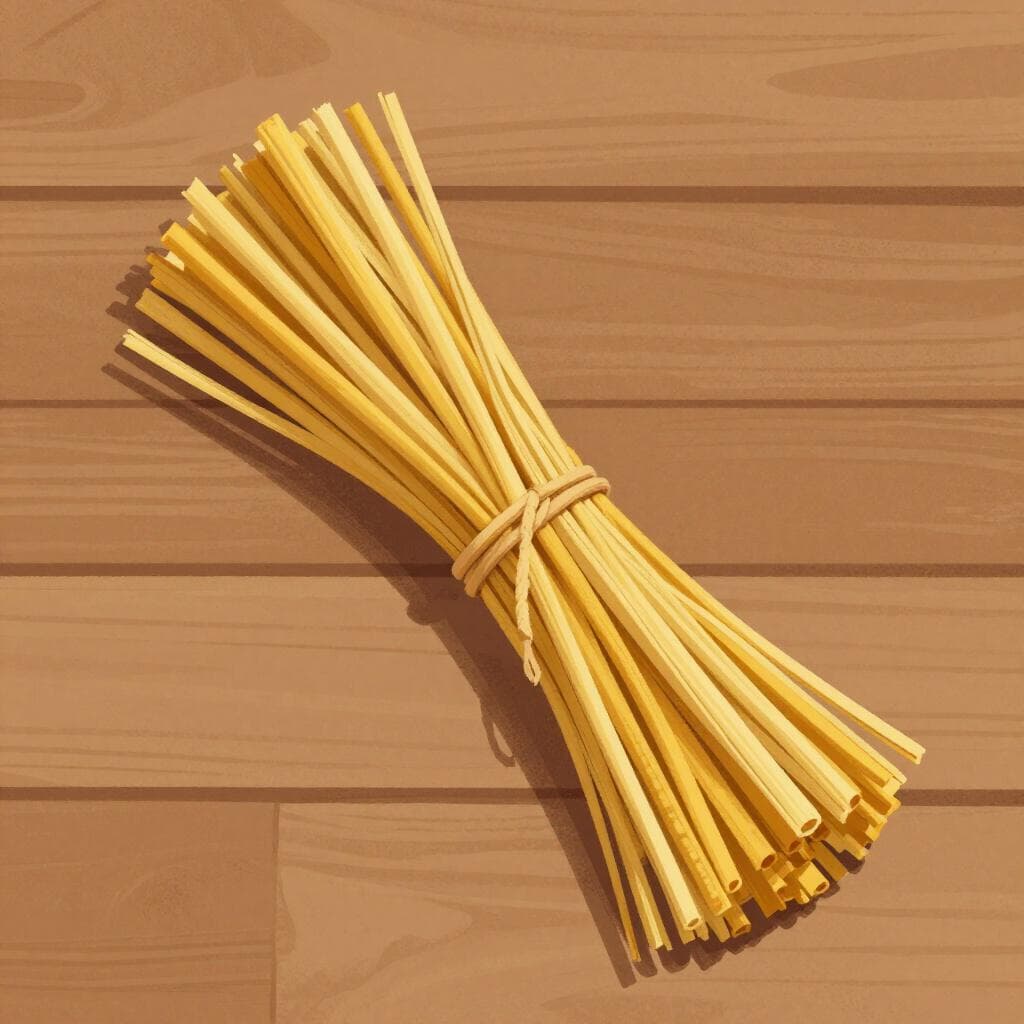
straw, hay
Also: thatch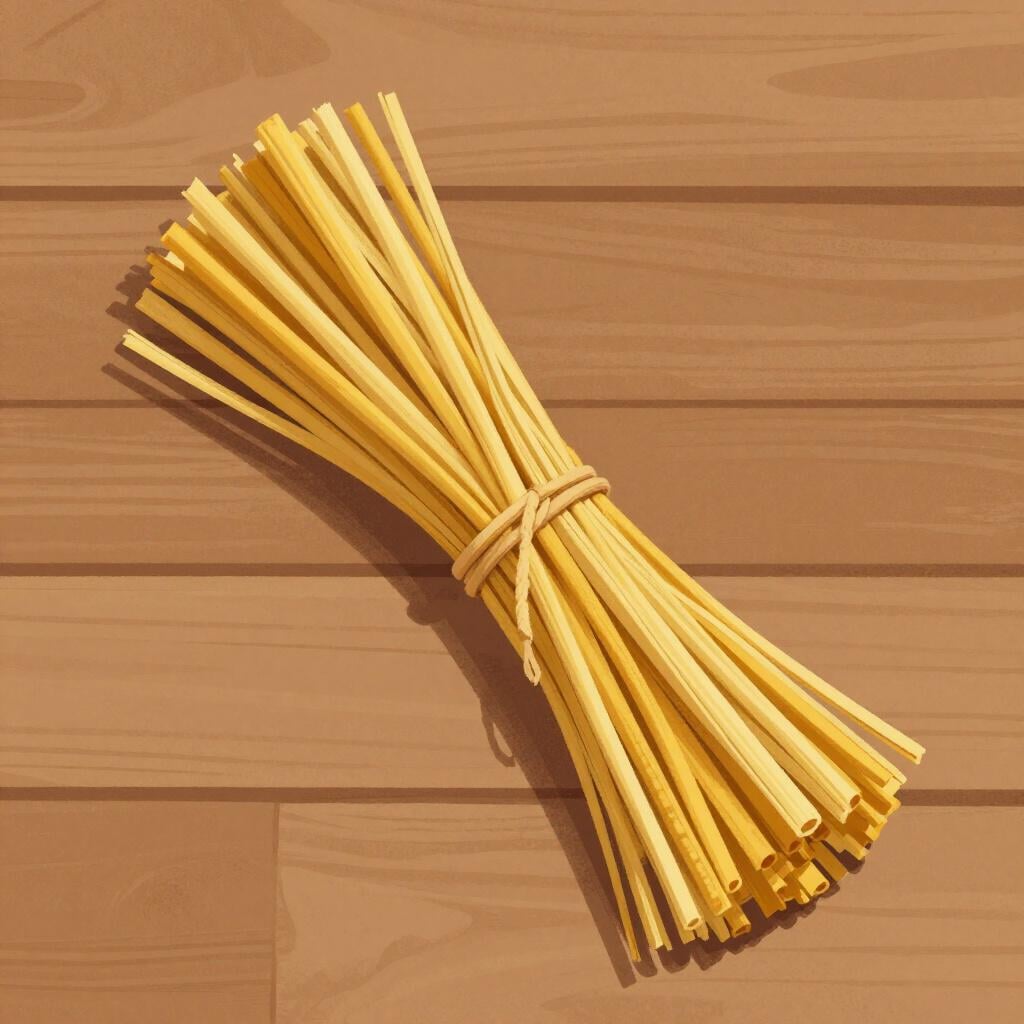
📝 In Action
El espantapájaros está relleno de paja.
A1The scarecrow is stuffed with straw.
En el establo hay mucha paja para los caballos.
A2In the stable, there is a lot of hay for the horses.
Construyeron un techo de paja tradicional.
B1They built a traditional thatched roof.
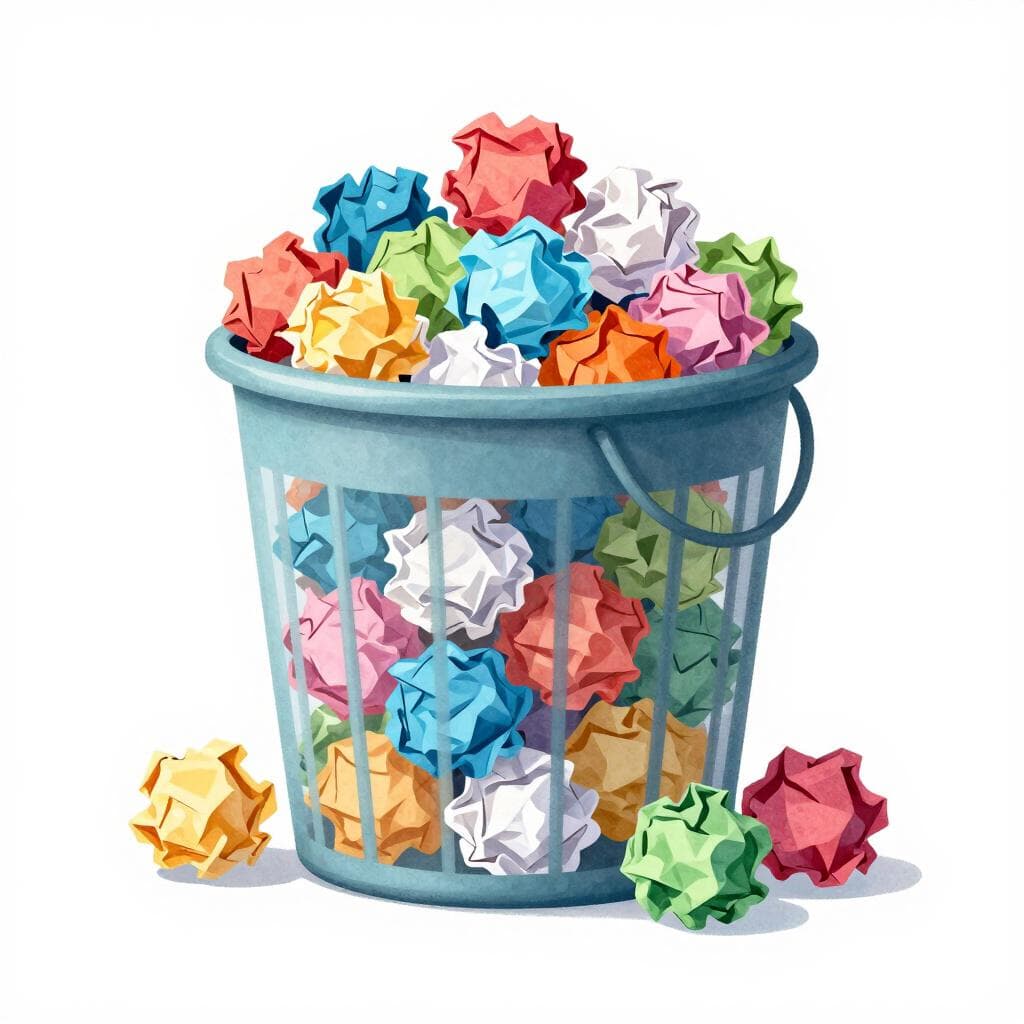
filler, fluff
Also: nonsense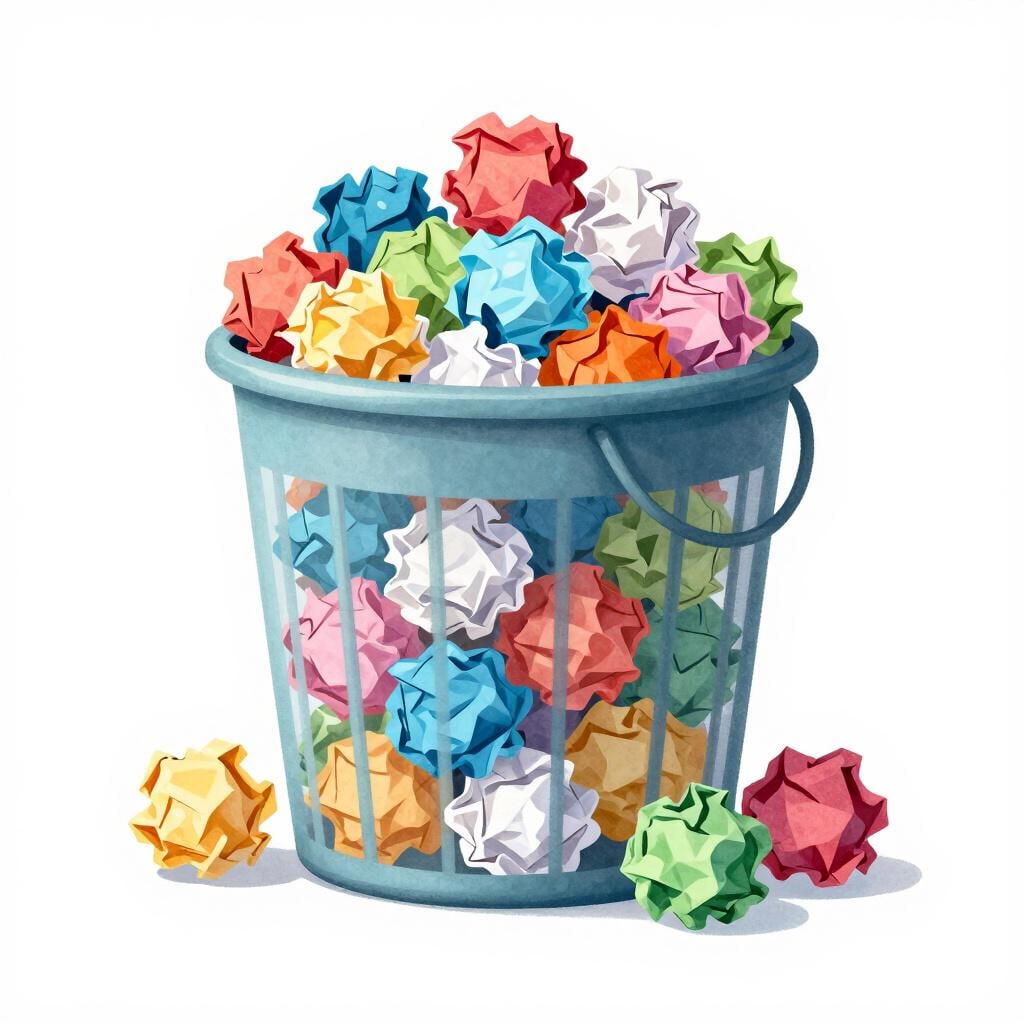
📝 In Action
El artículo es bueno, pero tiene mucha paja.
B1The article is good, but it has a lot of filler.
Quita la paja y ve directo al grano.
B2Get rid of the fluff and get straight to the point.
Su discurso fue pura paja.
C1His speech was pure nonsense/hot air.
wank
Also: handjob
📝 In Action
Se estaba haciendo una paja.
C1He was having a wank.
Translate to Spanish
✏️ Quick Practice
Quick Quiz: paja
Question 1 of 3
If someone says an essay has 'mucha paja', what do they mean?
📚 More Resources
👥 Word Family▼
📚 Etymology▼
From the Latin word 'palea', which referred to the chaff or the husks of grain separated during threshing.
First recorded: 10th Century
Cognates (Related words)
💡 Master Spanish
Take your Spanish to the next level. Read 200+ illustrated and narrated Spanish stories tailored to your level with the Inklingo app!
Frequently Asked Questions
Is 'paja' the same as 'heno'?
Not exactly. 'Paja' is the dry stalk left over after grain is harvested (like wheat). 'Heno' (hay) is grass that is cut and dried specifically to feed animals.
Does 'paja' mean 'straw' in every country?
For the material, yes. However, for a drinking straw, many countries use other words like 'popote' (Mexico), 'pitillo' (Colombia/Venezuela), or 'cañita' (Peru).
Why is the slang meaning so common?
It is a very old metaphorical use in Spanish, similar to how many languages use everyday objects as slang for sexual acts. It's best to be aware of it so you don't use it in the wrong context.