esencia
“esencia” means “essence” in Spanish. It has 2 different meanings depending on context:

essenceAlso: core, heart

📝 In Action
La esencia de su filosofía es la simplicidad.
B2The essence of his philosophy is simplicity.
En esencia, todos buscamos la felicidad.
C1In essence, we are all looking for happiness.
Perder la esencia de uno mismo es el mayor miedo.
C1Losing one's true self is the greatest fear.
Word Connections
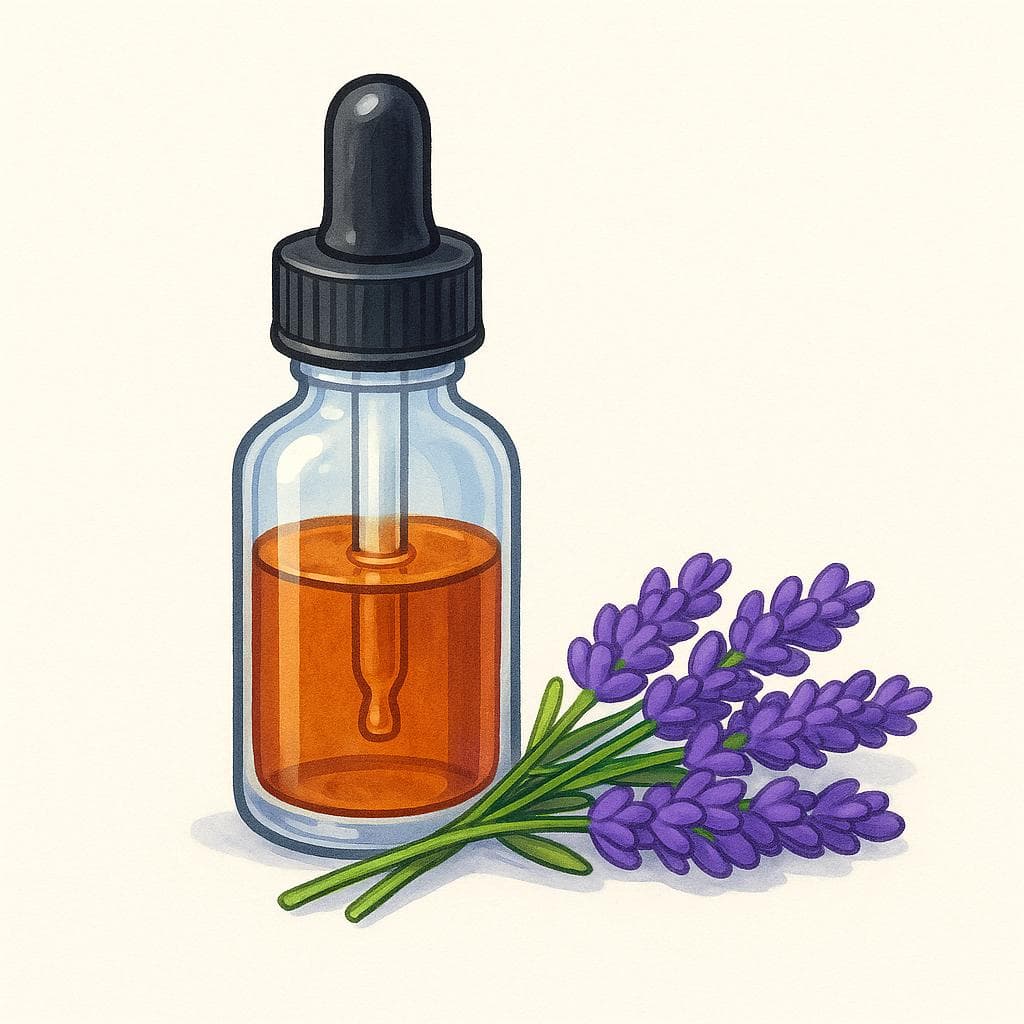
extractAlso: essential oil, fragrance

📝 In Action
Añade unas gotas de esencia de limón al glaseado.
B1Add a few drops of lemon extract to the frosting.
Compré una esencia de lavanda para el difusor.
B1I bought a lavender essential oil for the diffuser.
Esta colonia tiene una esencia dulce muy agradable.
B2This cologne has a very pleasant sweet fragrance.
Word Connections
Translate to Spanish
✏️ Quick Practice
Quick Quiz: esencia
Question 1 of 1
Which sentence uses 'esencia' in the concrete sense (extract/fragrance)?
📚 More Resources
🎵 Rhymes
📚 Etymology
Comes directly from the Latin word 'essentia', which was created by the Roman philosopher Cicero. He needed a Latin word to translate the Greek philosophical concept of 'ousia,' which means 'being' or 'the fundamental nature of something.'
First recorded: 13th century
Cognates (Related words)
💡 Master Spanish
Take your Spanish to the next level. Read 200+ illustrated and narrated Spanish stories tailored to your level with the Inklingo app!
Frequently Asked Questions
¿Por qué es 'la esencia' y no 'el esencia'?
The word 'esencia' is always feminine because nearly all Spanish nouns that end in the combination -cia, like 'paciencia' (patience) or 'gracia' (grace), are feminine.