How to Say "extract" in Spanish
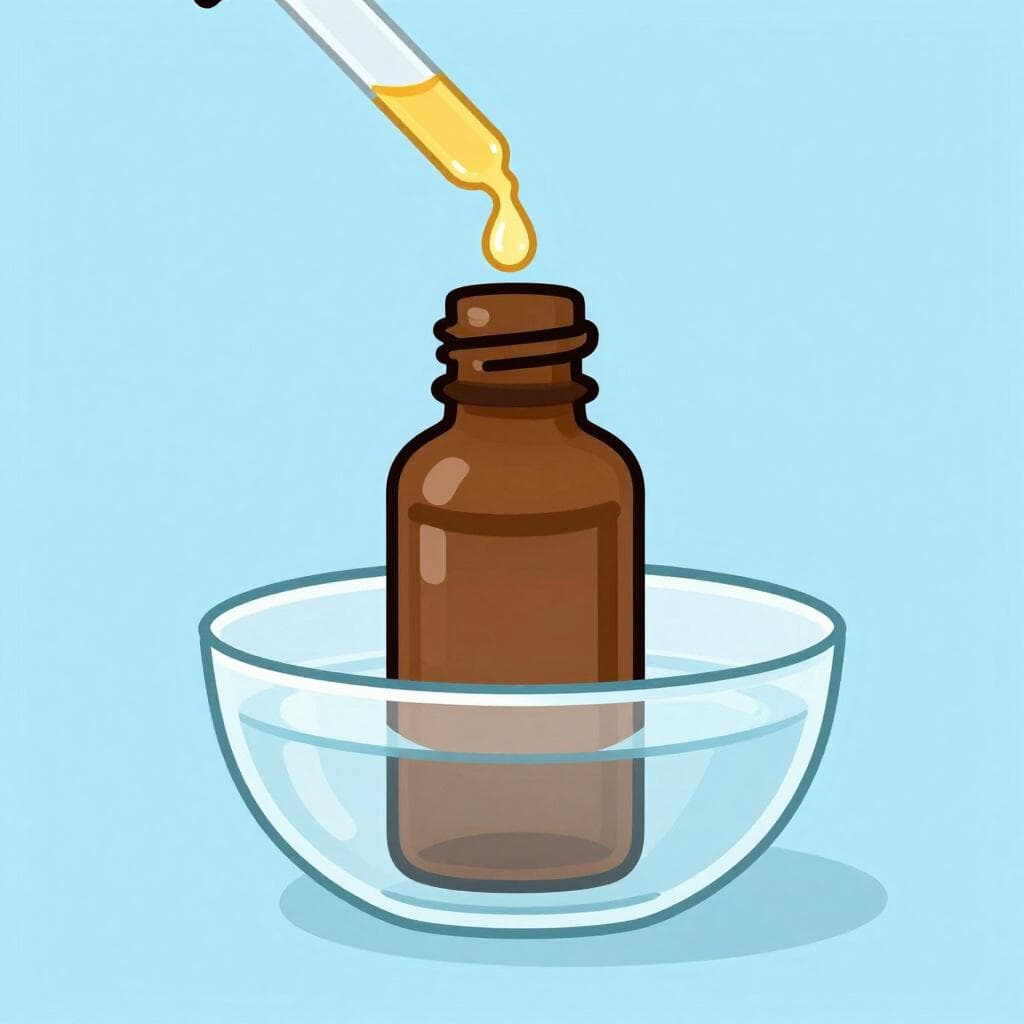
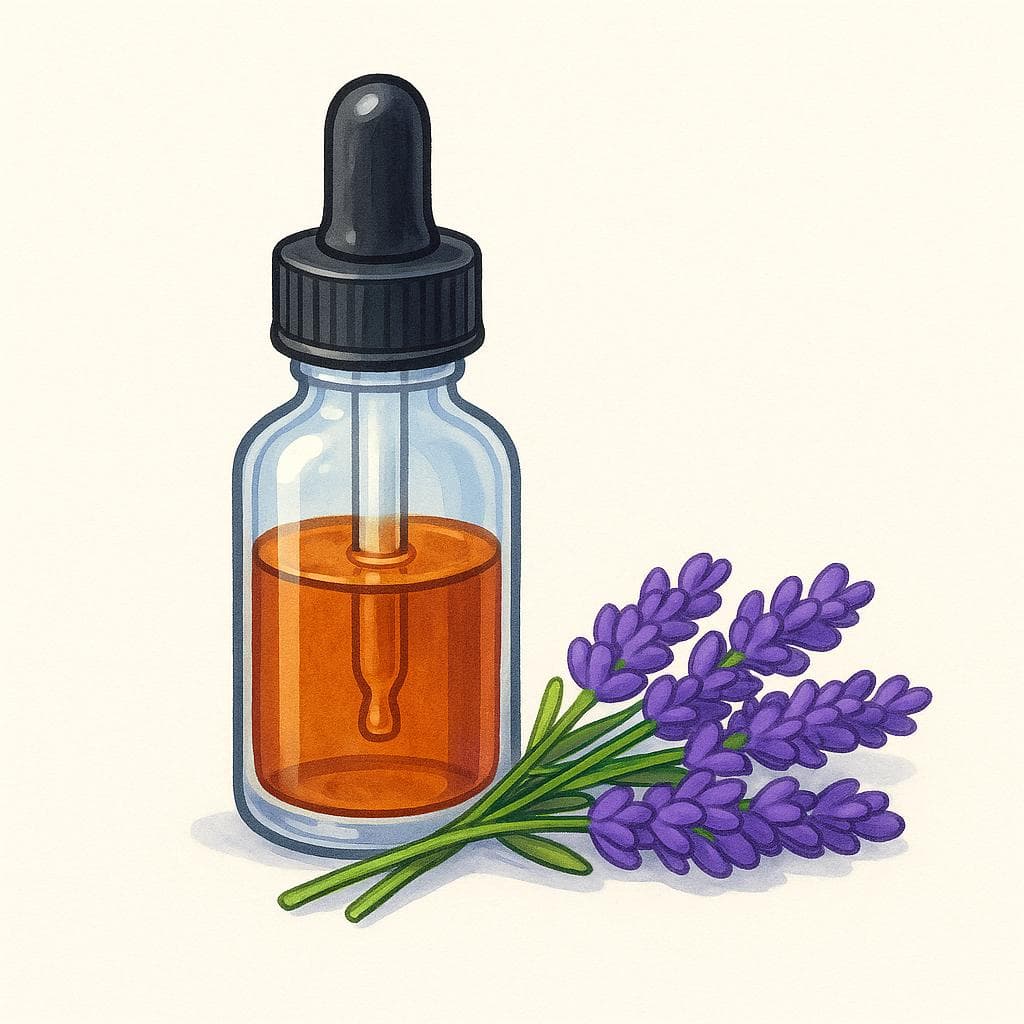
The most common Spanish word for “extract” is “extracto” — use 'extracto' when referring to a concentrated liquid, like vanilla or almond extract used in cooking, or a portion taken from a larger written work.

extracto
ex-TRAK-toheksˈtɾakto
Examples
Necesitamos una cucharadita de extracto de vainilla.
We need a teaspoon of vanilla extract.
He leído un extracto de su nueva novela.
I have read an excerpt from her new novel.
El extracto del informe resume los puntos clave.
The summary of the report outlines the key points.
It's always masculine
Regardless of whether you are talking about vanilla or a book, 'extracto' is always a masculine noun, so use 'el' or 'un'.
Using 'de' for origin
Just like in English, we use 'de' (of/from) to say what the extract is made of or where it was taken from.
Extracto vs. Resumen
Mistake: “Using 'extracto' when you mean a school essay summary.”
Correction: Use 'resumen' for a general summary you wrote; use 'extracto' for a specific piece directly taken from the original text.
esencia
eh-SEHN-syaheˈsen.θja

Examples
Añade unas gotas de esencia de limón al glaseado.
Add a few drops of lemon essence (extract) to the frosting.
Compré una esencia de lavanda para el difusor.
I bought a lavender essential oil for the diffuser.
Esta colonia tiene una esencia dulce muy agradable.
This cologne has a very pleasant sweet fragrance.
Extract vs. Oil
Mistake: “Using 'esencia' for crude oil or cooking oil ('aceite').”
Correction: 'Esencia' usually implies a concentrated, scented, or flavored liquid. For cooking oil, use 'aceite de cocina', and for petroleum, use 'petróleo'.
fragmento
frahg-MEHN-tohfɾaɣˈmento

Examples
Leímos un fragmento de 'Don Quijote' en clase.
We read an excerpt from 'Don Quixote' in class.
Escuché un fragmento de su nueva canción en la radio.
I heard a snippet of her new song on the radio.
El documental muestra un fragmento de la entrevista original.
The documentary shows a passage from the original interview.
Describing the excerpt
When describing the type of excerpt, the adjective comes after: 'fragmento seleccionado' (selected excerpt).
Confusing with 'fracción'
Mistake: “Una fracción del libro.”
Correction: Un fragmento del libro. 'Fracción' is mostly used for math or percentages, while 'fragmento' is for content.
Confusing 'extracto' and 'fragmento'
Related Translations
Learn Spanish with Inklingo
Interactive stories, personalized learning, and more.