How to Say "filler" in Spanish
The most common Spanish word for “filler” is “relleno” — use 'relleno' when referring to something that is added to fill a space or an empty part, like the filling in a cake or the unnecessary parts added to a story or movie to make it longer.

relleno
reh-YEH-nohreˈʝeno
Examples
El relleno de este pastel es de chocolate amargo.
The filling of this cake is dark chocolate.
No me gustó la película, tenía mucho relleno.
I didn't like the movie; it had a lot of filler (unnecessary scenes).
Esta almohada necesita más relleno.
This pillow needs more stuffing.
Using 'de relleno'
When you call something 'de relleno', you're saying it's just there to take up space, like a boring scene in a TV show.
paja
PA-haˈpaxa
Examples
El artículo es bueno, pero tiene mucha paja.
The article is good, but it has a lot of filler.
Quita la paja y ve directo al grano.
Get rid of the fluff and get straight to the point.
Su discurso fue pura paja.
His speech was pure nonsense/hot air.
Using 'Mucho' with Paja
When 'paja' means fluff or filler, we usually talk about the 'amount' of it. Use 'mucha paja' (a lot of filler).
Literal vs. Figurative
Mistake: “Thinking someone is talking about farming when they say 'quitar la paja' in a meeting.”
Correction: In a work or school context, they almost always mean 'get rid of the unnecessary parts'.
tripa
TREE-pahˈtɾipa
Examples
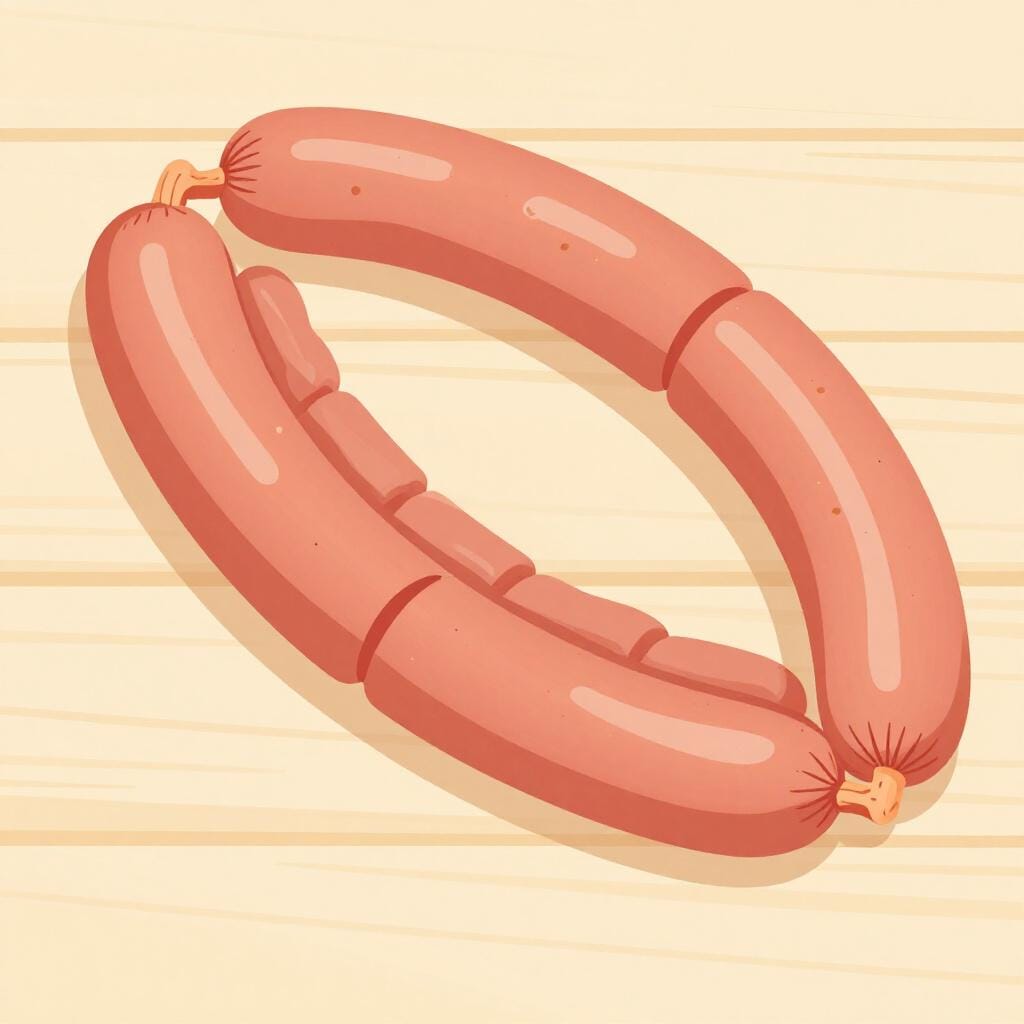
Esta salchicha tiene tripa natural.
This sausage has a natural casing.
La tripa del cigarro es de la mejor calidad.
The cigar filler is of the highest quality.
Specific Vocabulary
When used in food, 'tripa' refers to the skin of the sausage, not the meat inside.
Relleno vs. Paja
Learn Spanish with Inklingo
Interactive stories, personalized learning, and more.