pasto
“pasto” means “grass” in Spanish. It has 2 different meanings depending on context:

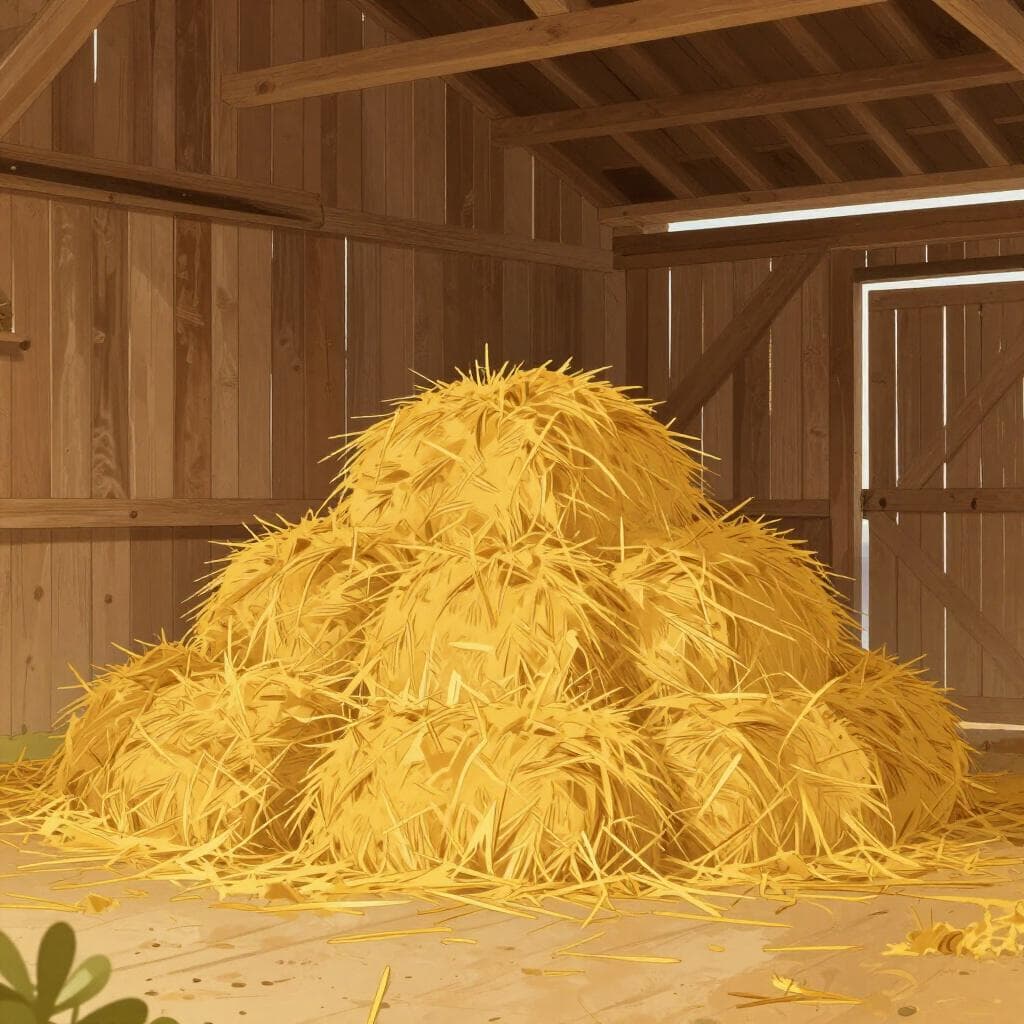
grass, lawn
Also: pasture
📝 In Action
El pasto es muy verde en primavera.
A1The grass is very green in spring.
Tengo que cortar el pasto este fin de semana.
A2I have to mow the lawn this weekend.
No camines por el pasto, está mojado.
A2Don't walk on the grass; it's wet.
fodder, feed
Also: fuel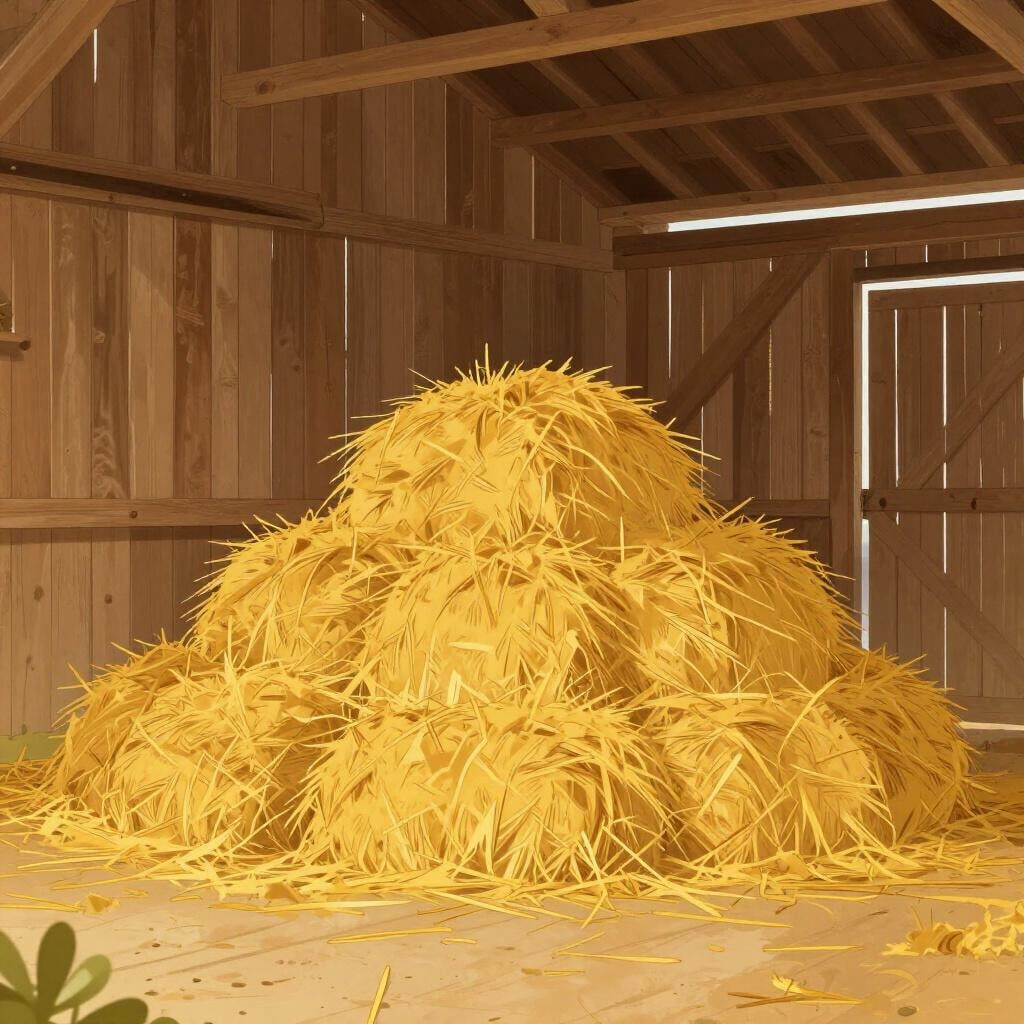
📝 In Action
Las vacas están en el pasto.
B1The cows are out at pasture (feeding).
La casa vieja fue pasto de las llamas.
C1The old house was consumed by the flames.
Ese escándalo fue pasto de los chismes por semanas.
C2That scandal was fodder for gossip for weeks.
✏️ Quick Practice
Quick Quiz: pasto
Question 1 of 3
If you are in Mexico and want to mow your lawn, what do you 'cortar'?
📚 More Resources
👥 Word Family▼
📚 Etymology▼
From the Latin word 'pastus', which means 'feeding' or 'grazing land'. This comes from the verb 'pascere' (to feed).
First recorded: 12th century
Cognates (Related words)
💡 Master Spanish
Take your Spanish to the next level. Read 200+ illustrated and narrated Spanish stories tailored to your level with the Inklingo app!
Frequently Asked Questions
Is 'pasto' the same as 'césped'?
Technically yes, they both mean grass. However, 'césped' usually refers to a nicely kept, manicured garden lawn, while 'pasto' is more general and used for any grass, including wild fields. In many Latin American countries, 'pasto' is used for both.
Can I use 'pasto' to mean 'pasta' (the food)?
No! This is a common mistake. 'Pasto' is grass. 'Pasta' is the food (noodles, spaghetti, etc.).
Is 'pasto' masculine or feminine?
It is masculine: 'el pasto'.