How to Say "fodder" in Spanish
The most common Spanish word for “fodder” is “pasto” — use 'pasto' when referring to grass or other vegetation that animals eat directly in a field or pasture.

pasto
PAHS-tohˈpasto

Examples
El ganado está comiendo pasto en el prado.
The livestock is eating grass in the meadow.
Las vacas están en el pasto.
The cows are out at pasture (feeding).
La casa vieja fue pasto de las llamas.
The old house was consumed by the flames.
Ese escándalo fue pasto de los chismes por semanas.
That scandal was fodder for gossip for weeks.
Metaphorical Use
When used metaphorically (like 'fodder for fire'), 'pasto' describes something that is easily consumed or taken advantage of.
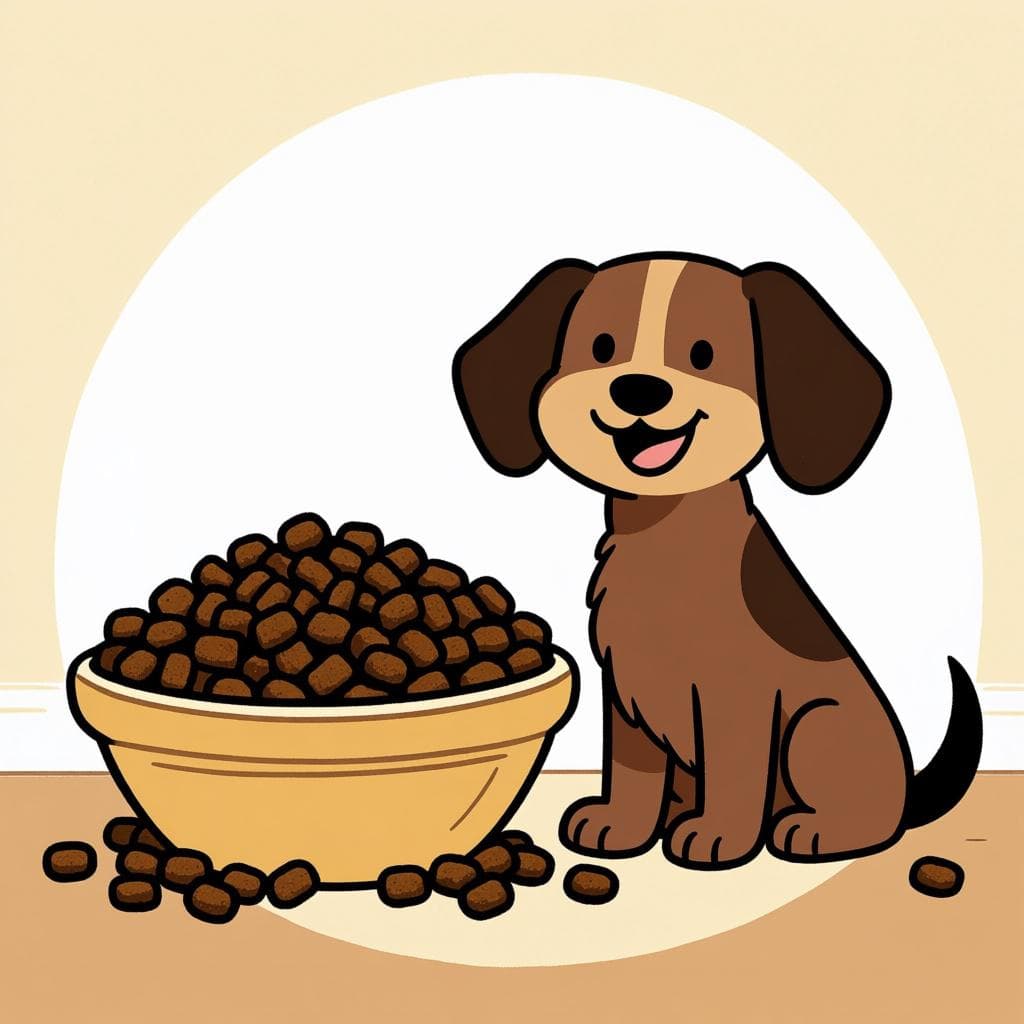
pienso
pyen-soˈpjen.so

Examples
Compré pienso para mi perro en el supermercado.
I bought kibble for my dog at the supermarket.
Voy a la tienda a comprar pienso para el perro.
I'm going to the store to buy kibble for the dog.
El granjero almacena el pienso en el granero.
The farmer stores the animal feed in the barn.
Este pienso tiene muchas vitaminas para los gatos.
This cat food has a lot of vitamins for cats.
Confusing with 'comida'
Mistake: “Voy a comprar comida para mi perro.”
Correction: While not strictly wrong, 'comida' usually means food for people. For pets and livestock, 'pienso' is the more specific and natural word. Use: 'Voy a comprar pienso para mi perro'.
Pasto vs. Pienso
Learn Spanish with Inklingo
Interactive stories, personalized learning, and more.