jardín
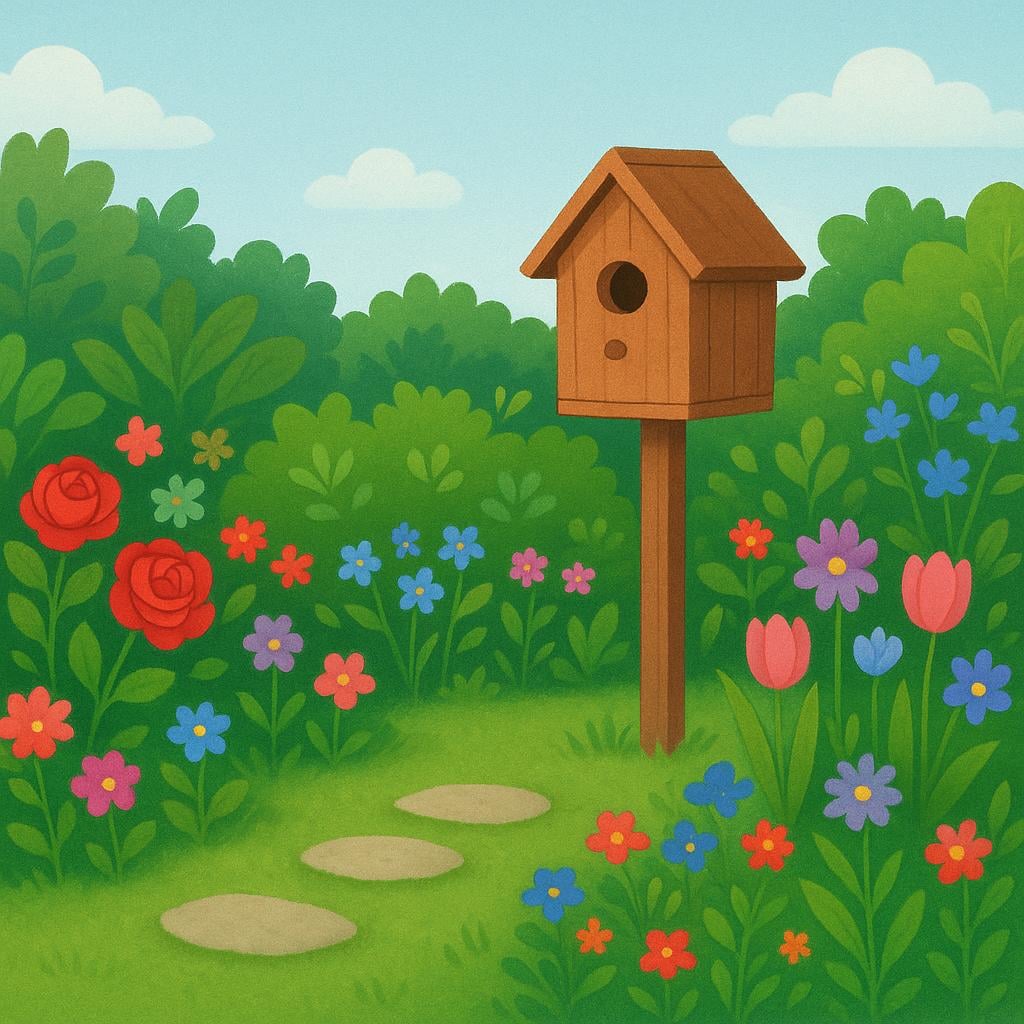
“jardín” means “garden” in Spanish (An area of ground used for growing flowers, vegetables, or relaxation.).
gardenAlso: yard, preschool
📝 In Action
Mi abuela pasa todo el día cuidando su jardín de rosas.
A1My grandmother spends all day looking after her rose garden.
Los niños juegan a la pelota en el jardín trasero.
A2The children play ball in the back yard.
Visité el jardín botánico para ver las plantas tropicales.
B1I visited the botanical garden to see the tropical plants.
Word Connections
✏️ Quick Practice
Quick Quiz: jardín
Question 1 of 1
Which English word is NOT a direct translation or related use of 'jardín'?
📚 More Resources
👥 Word Family
🎵 Rhymes
📚 Etymology
The word comes from the Old French word 'jardín,' which itself was borrowed from the Frankish (Germanic) word 'gardo' meaning 'enclosure' or 'yard.' Spanish adopted it later, highlighting an enclosed, cultivated space.
First recorded: Around the 13th century in Spanish.
Cognates (Related words)
💡 Master Spanish
Take your Spanish to the next level. Read 200+ illustrated and narrated Spanish stories tailored to your level with the Inklingo app!
Frequently Asked Questions
Why is 'jardín de infancia' used for preschool?
Literally translating to 'garden of infancy,' this term reflects the idea of a preschool as a safe, nourishing, and structured place where young children (infants) can grow and bloom, just like plants in a garden.
Is 'patio' the same as 'jardín'?
Not exactly, but they are related. A 'jardín' focuses on the planted, grassy, or flowered area. A 'patio' is usually a paved, open-air area adjacent to a house, often used for sitting or dining, but many people use 'patio' and 'jardín' interchangeably to mean 'backyard.'