How to Say "sinister" in Spanish
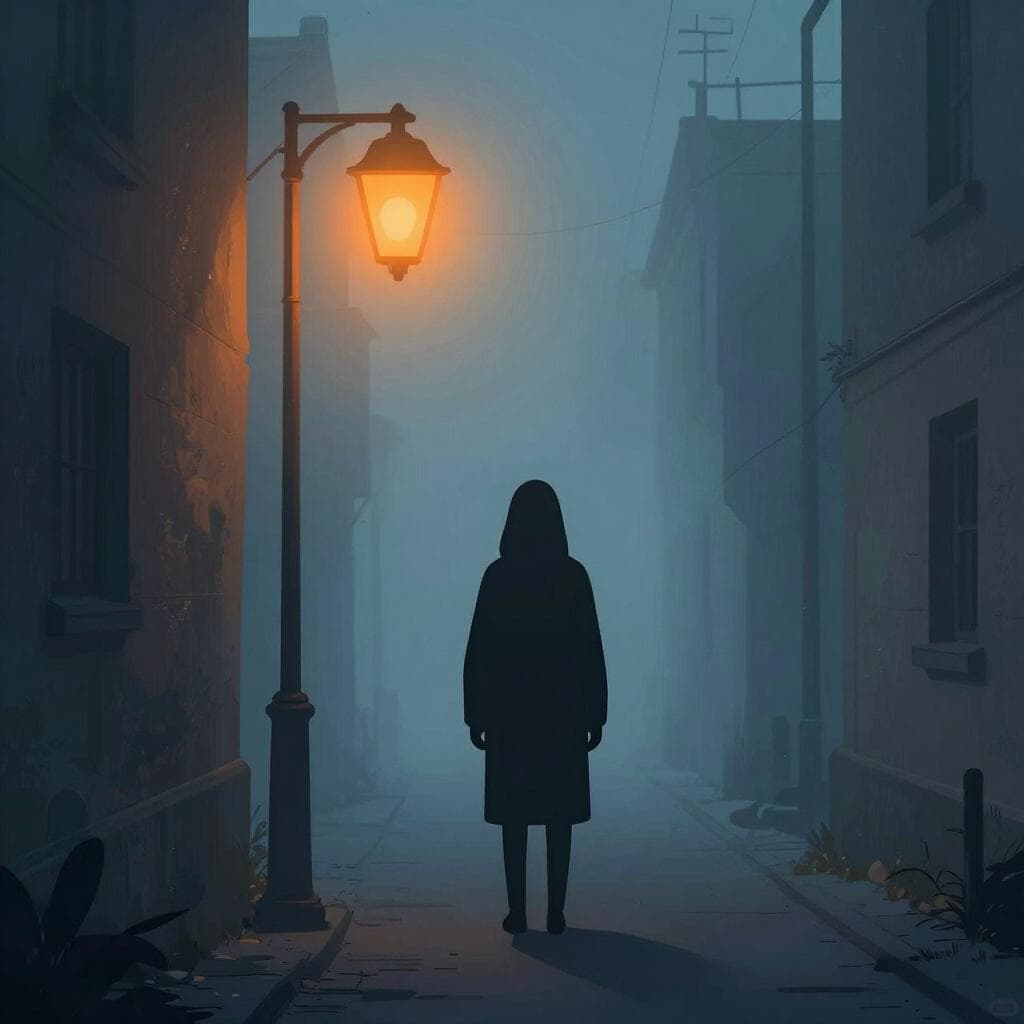
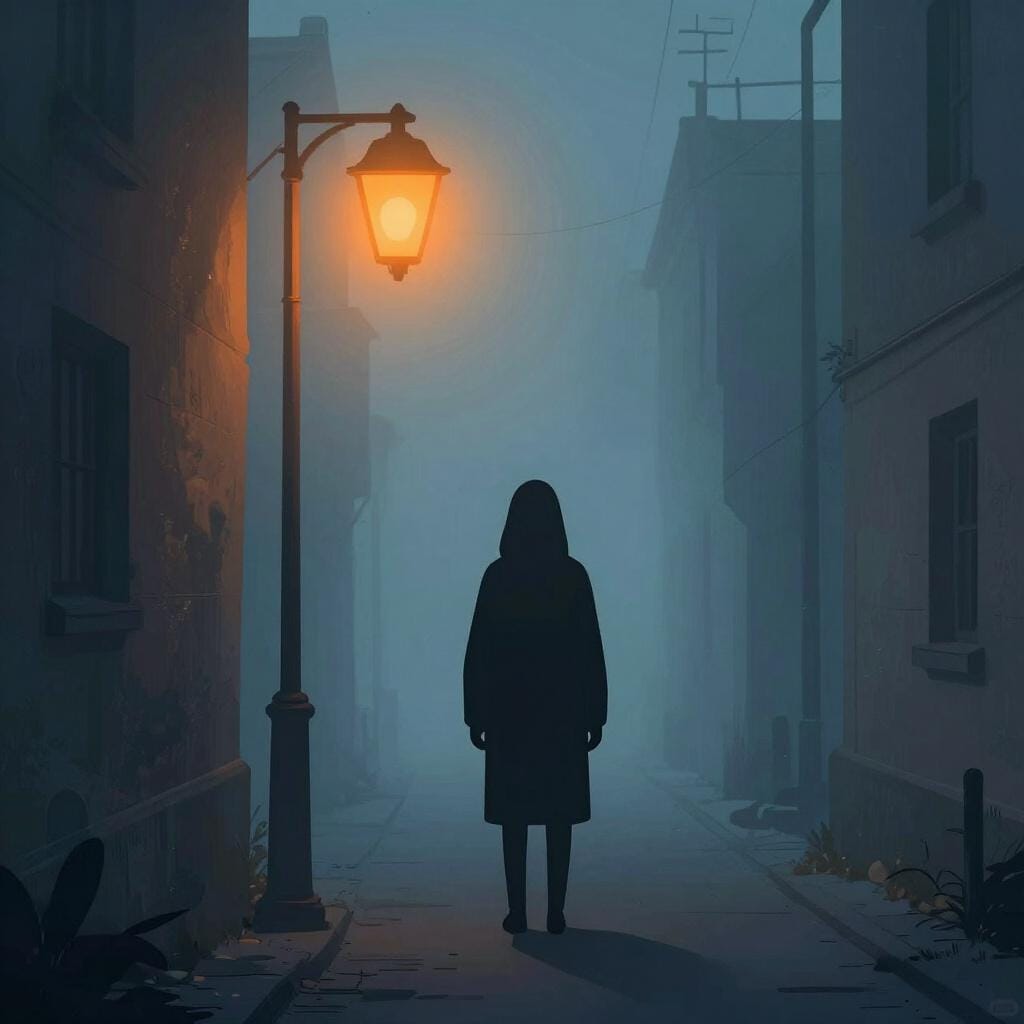
The most common Spanish word for “sinister” is “siniestro” — use 'siniestro' when describing something that looks or feels unsettling, creepy, or foreboding, often related to its appearance or immediate atmosphere.

siniestro
see-nee-ESS-trohsiˈnjestɾo
Examples
La casa abandonada tiene un aspecto muy siniestro.
The abandoned house looks very sinister.
Ese hombre tiene una mirada siniestra.
That man has a creepy look in his eyes.
Había un silencio siniestro en el bosque.
There was a spooky silence in the forest.
Matching the Ending
Since this is a word that describes things, the ending must match. Use 'siniestro' for masculine things and 'siniestra' for feminine things.
Placement for Drama
While it usually goes after the word it describes, putting it before (e.g., 'el siniestro plan') makes the sentence sound more poetic or like a thriller movie.
Siniestro vs. Malvado
Mistake: “Using 'siniestro' for a person who does bad things.”
Correction: Use 'malvado' (evil) for someone's character. 'Siniestro' is better for how someone or something LOOKS or feels (creepy).
tenebroso
te-ne-BRO-soteneˈβɾoso

Examples
El detective descubrió un secreto tenebroso en la familia.
The detective discovered a sinister secret in the family.
No confío en ese hombre; tiene una mirada tenebrosa.
I don't trust that man; he has a sinister look.
Hay aspectos tenebrosos en la historia de esa empresa.
There are murky aspects in that company's history.
Abstract Use
When used for ideas or history, it implies that someone is hiding something bad or evil.
Don't use for 'Cloudy'
Mistake: “Saying 'un día tenebroso' for a gray, rainy day.”
Correction: Use 'nublado' or 'gris'. 'Tenebroso' implies it is dangerously dark or evil.
Appearance vs. Hidden Nature
Learn Spanish with Inklingo
Interactive stories, personalized learning, and more.