How to Say "struggle" in Spanish
The most common Spanish word for “struggle” is “lucha” — use 'lucha' for a general effort against difficulty or adversity, often in social or personal contexts.



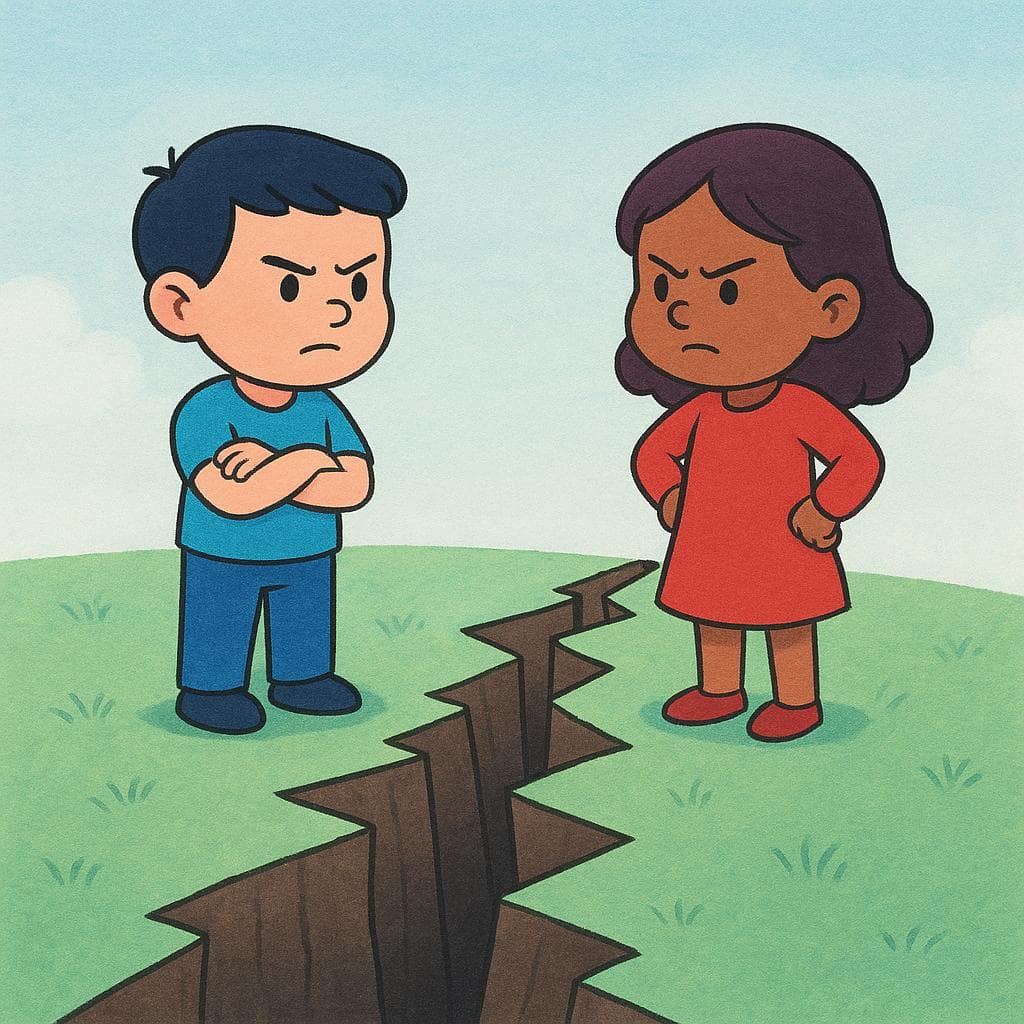
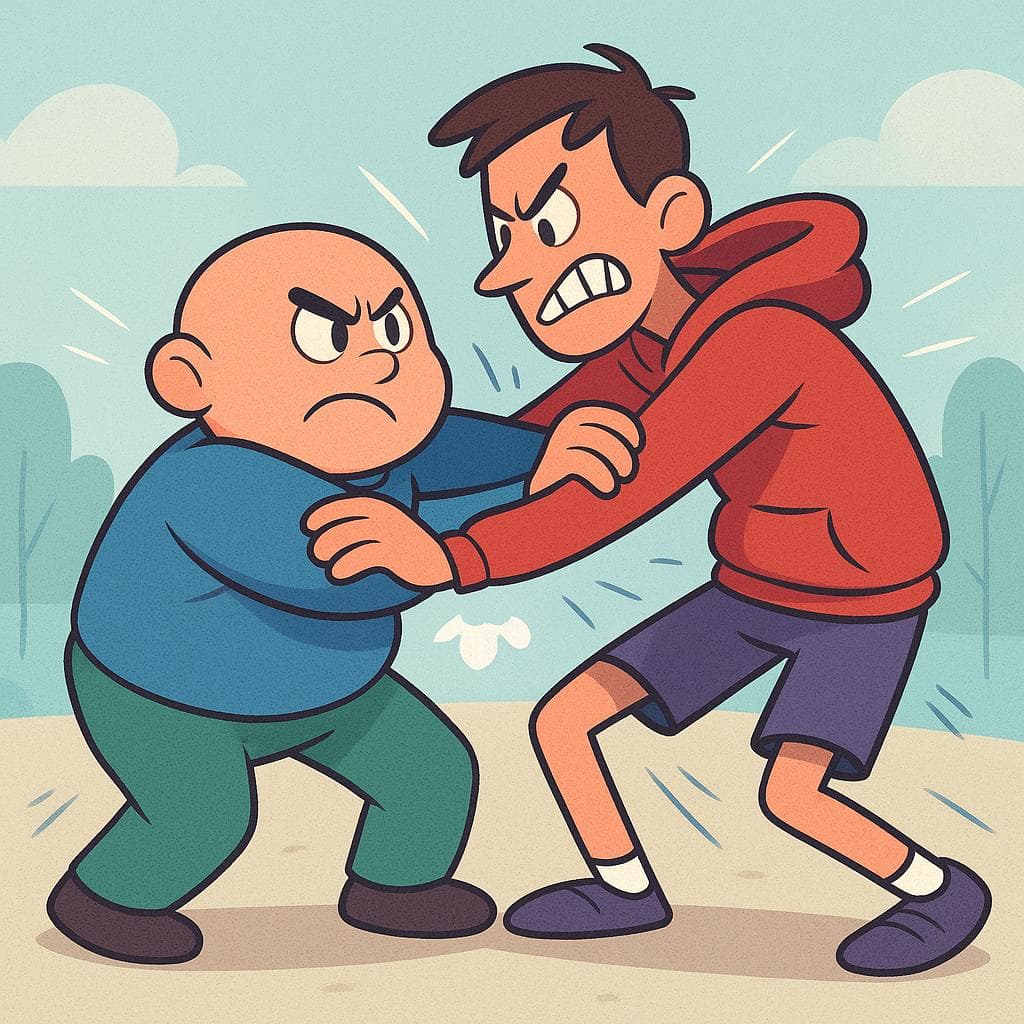


lucha
LOO-chaˈlut͡ʃa

Examples
La lucha contra la pobreza es global.
The struggle against poverty is global.
Superar la enfermedad fue una lucha constante.
Overcoming the illness was a constant battle.
Connecting the Fight
Use the preposition contra (against) or por (for) immediately after lucha to explain the purpose of the struggle: lucha contra el mal, lucha por la justicia.
Using 'Para' Instead of 'Por'
Mistake: “La lucha para la libertad.”
Correction: La lucha *por* la libertad. (When the fight benefits a cause or goal, use *por*.)
batalla
bah-TAH-yahbaˈtaʝa

Examples
Su recuperación fue una larga batalla contra la enfermedad.
His recovery was a long struggle against the illness.
Cada día es una batalla para conseguir terminar el proyecto.
Every day is a fight to manage to finish the project.
Preposition Use
When talking about what you are fighting against, use the preposition 'contra': 'la batalla contra la pobreza' (the struggle against poverty).
Using 'pelea' for Abstract Fights
Mistake: “Usar 'una pelea contra el cáncer'”
Correction: Use 'una batalla contra el cáncer'. 'Pelea' is usually for physical or verbal arguments between people.
guerra
GEHR-rah'gera

Examples
Es una guerra constante contra la desinformación.
It's a constant struggle against misinformation.
Los dos hermanos tienen una guerra de voluntades.
The two brothers are having a war of wills.
El gobierno inició una guerra contra la pobreza.
The government started a war on poverty.
conflicto
kohn-FLEEK-tohkonˈflikto
Examples
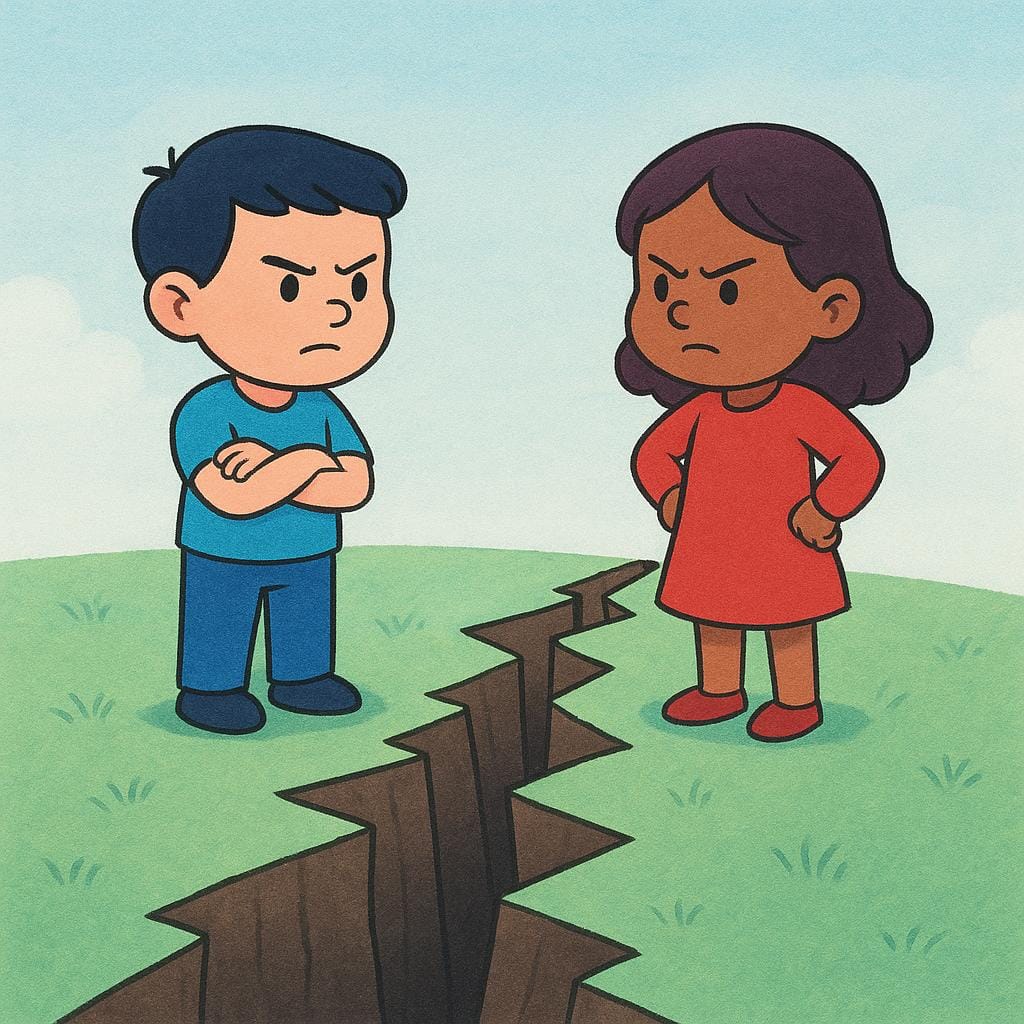
El conflicto duró varias semanas antes de que llegaran a un acuerdo.
The conflict lasted several weeks before they reached an agreement.
Hay un conflicto laboral entre la empresa y sus empleados.
There is a labor dispute between the company and its employees.
El país evitó un conflicto armado gracias a la diplomacia.
The country avoided an armed conflict thanks to diplomacy.
Gender Reminder
Remember that 'conflicto' is always a masculine noun, so you must use 'el conflicto' or 'un conflicto'.
Mixing up 'conflicto' and 'problema'
Mistake: “Using 'conflicto' when referring to a small, everyday glitch (like a computer problem).”
Correction: Use 'problema' for minor issues. 'Conflicto' usually implies strong opposition, confrontation, or a serious crisis.
pelea
peh-LEH-ahpeˈle.a
Examples
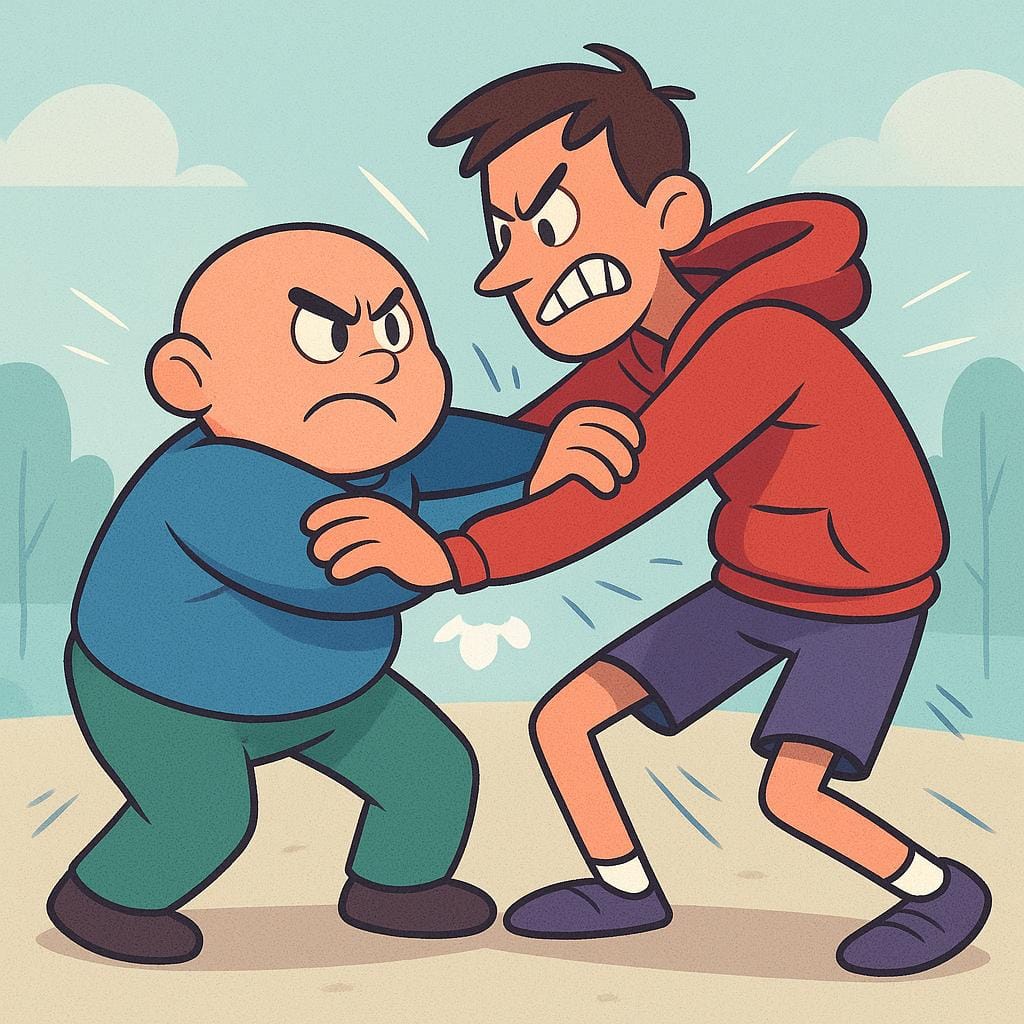
Los niños tuvieron una pelea por el juguete.
The children had a fight over the toy.
Después de la pelea, no se hablaron por una semana.
After the argument, they didn't speak to each other for a week.
La vida es una pelea constante por nuestros sueños.
Life is a constant struggle for our dreams.
Using 'Tener una pelea'
To talk about a specific argument or fight that happened, you'll often use the phrase 'tener una pelea', which literally means 'to have a fight'. For example, 'Ayer tuve una pelea con mi jefe' (Yesterday I had an argument with my boss).
Fight vs. Struggle
Mistake: “Thinking 'pelea' only means a physical fight with fists.”
Correction: 'Pelea' is very flexible. It can be a verbal argument ('una pelea de pareja' - a couple's quarrel) or a metaphorical struggle ('la pelea contra la injusticia' - the fight against injustice).
agonía
Examples
El herido estuvo en agonía durante varias horas antes de que llegara el médico.
The injured man was in agony for several hours before the doctor arrived.
contienda
con-tee-EN-dahkonˈtjenda

Examples
La contienda electoral terminó con un resultado muy ajustado.
The election contest ended with a very close result.
Muchos soldados perdieron la vida en aquella sangrienta contienda.
Many soldiers lost their lives in that bloody conflict.
Es importante mantener el respeto durante la contienda deportiva.
It is important to maintain respect during the sports competition.
Always Feminine
Even though it doesn't refer to a female person, this word is always feminine. You must use feminine adjectives with it: 'la contienda larga' (the long struggle).
Plural Form
To talk about more than one conflict, simply add an 's': 'las contiendas'.
Don't use for small arguments
Mistake: “Tuve una contienda con mi hermano por el control remoto.”
Correction: Tuve una pelea/discusión con mi hermano por el control remoto. (Use 'contienda' for bigger, more formal things like wars or elections, not small household arguments).
combate
kom-BAH-tehkomˈbate
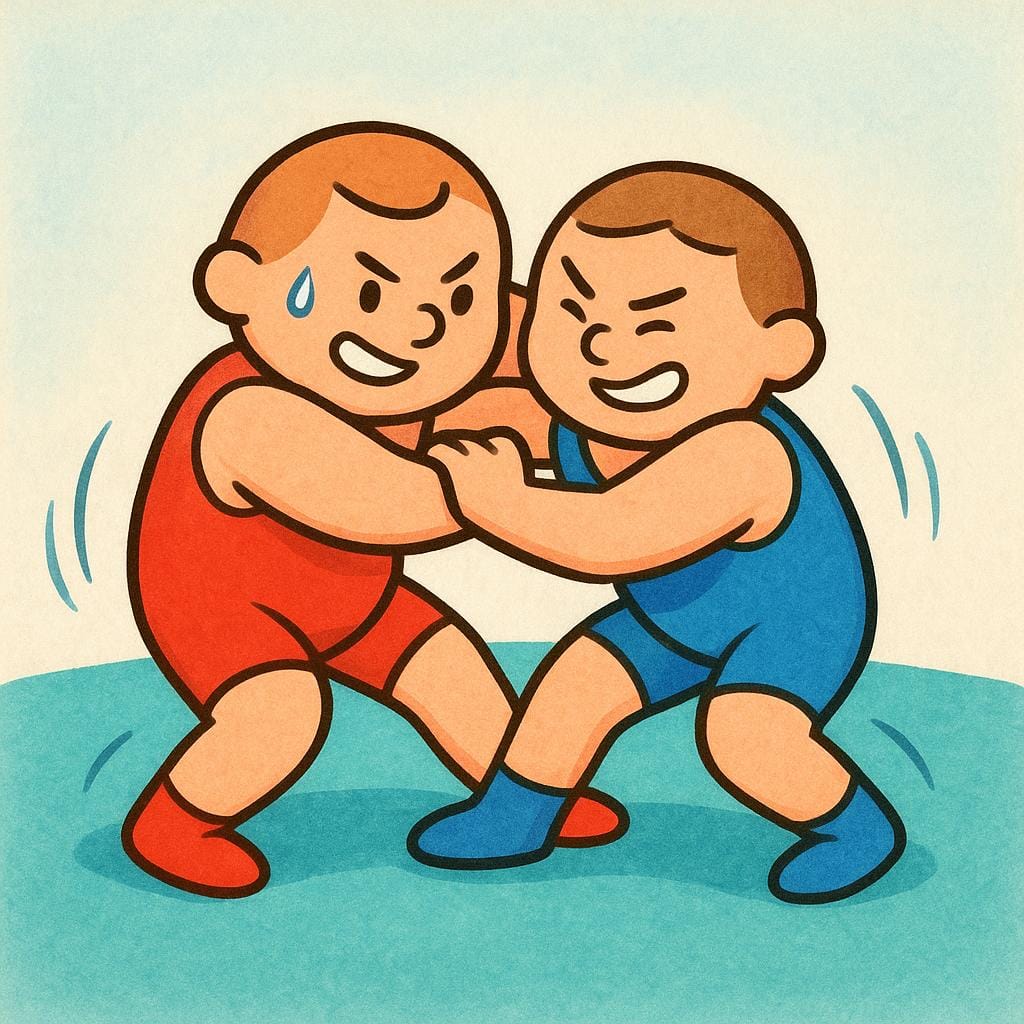
Examples
El combate de boxeo terminó en el segundo asalto.
The boxing match ended in the second round.
La organización lidera el combate contra la pobreza infantil.
The organization leads the struggle against child poverty.
Hubo un breve combate entre las tropas enemigas.
There was a brief battle between the enemy troops.
Masculine Noun
Even though it ends in '-e', 'combate' is always a masculine noun, so you must use 'el' or 'un' before it.
Lucha vs. Batalla vs. Guerra
Learn Spanish with Inklingo
Interactive stories, personalized learning, and more.