Inklingo

How to Say "fight" in Spanish

The most common Spanish word forfightis peleause this for a general, everyday confrontation, whether it's physical or verbal, between two or more people.
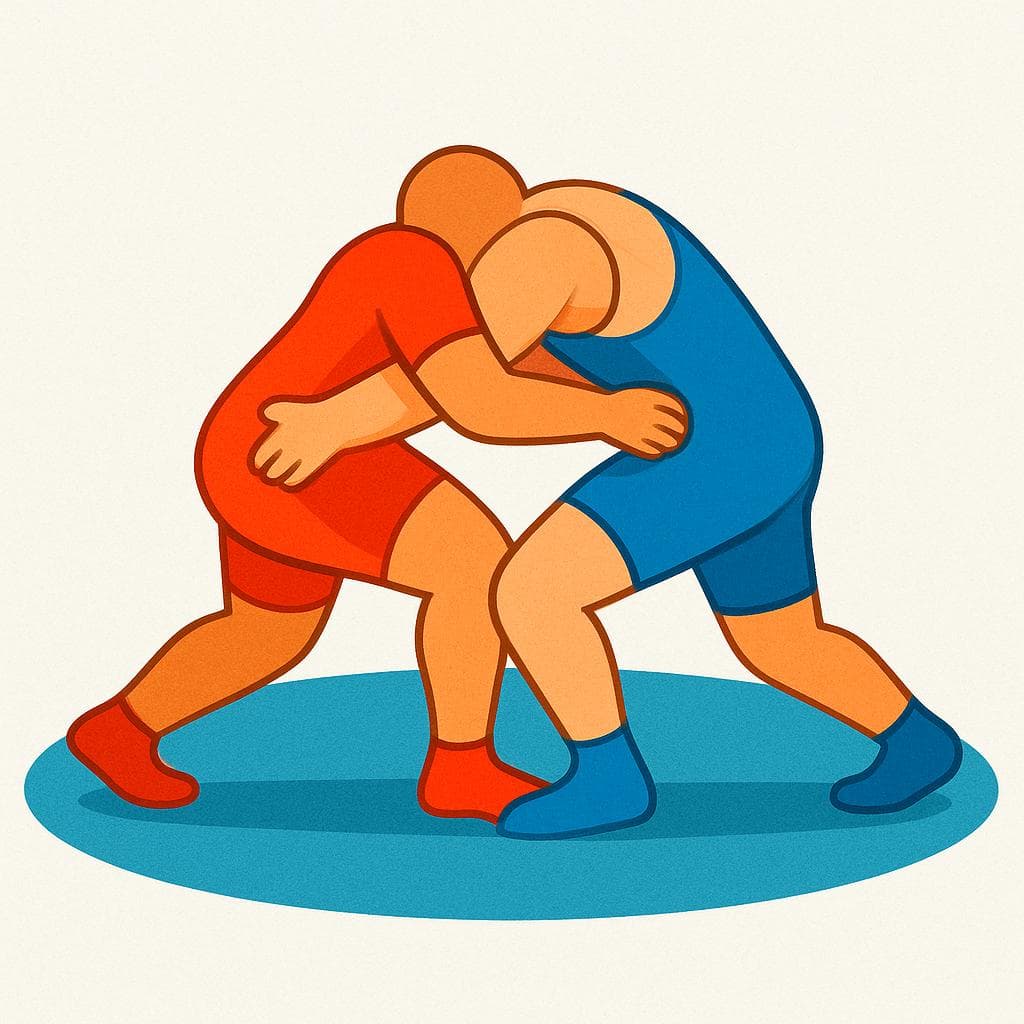
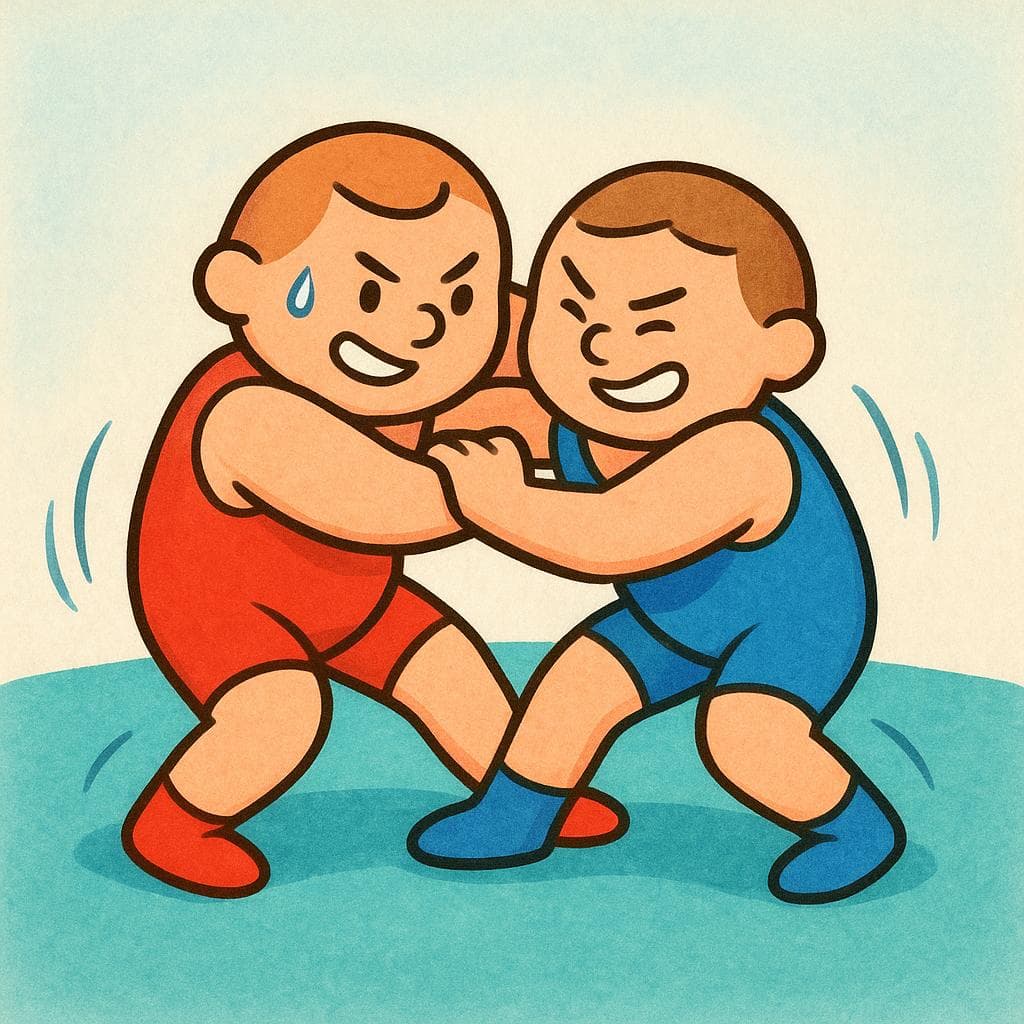
pelea🔊A2

Use this for a general, everyday confrontation, whether it's physical or verbal, between two or more people.

Learn more →
lucha🔊A2

This term often refers to a physical struggle, a contest, or a more organized form of combat like wrestling.

Learn more →
pleitoA2

Choose this for a dispute or argument, often verbal, typically between individuals or within a smaller group.

Learn more →
batalla🔊A2

Use this for a large-scale conflict, like a military battle, or metaphorically for a significant personal struggle against a challenge.

Learn more →
combate🔊B1

This specifically denotes a physical confrontation or struggle, often in a controlled setting like a sport or military engagement.

Learn more →
guerra🔊B1

This refers to a prolonged, large-scale conflict between nations or groups, or a continuous, intense struggle against something abstract.

Learn more →
broncaB1

Use this informal term for a scolding, a harsh reprimand, or a heated argument or quarrel.

Learn more →
English → Spanish

pelea

nounA2general
Use this for a general, everyday confrontation, whether it's physical or verbal, between two or more people.

Examples

Los niños tuvieron una pelea por el juguete.

The children had a fight over the toy.

lucha

LOO-chaˈlut͡ʃa
nounA2general
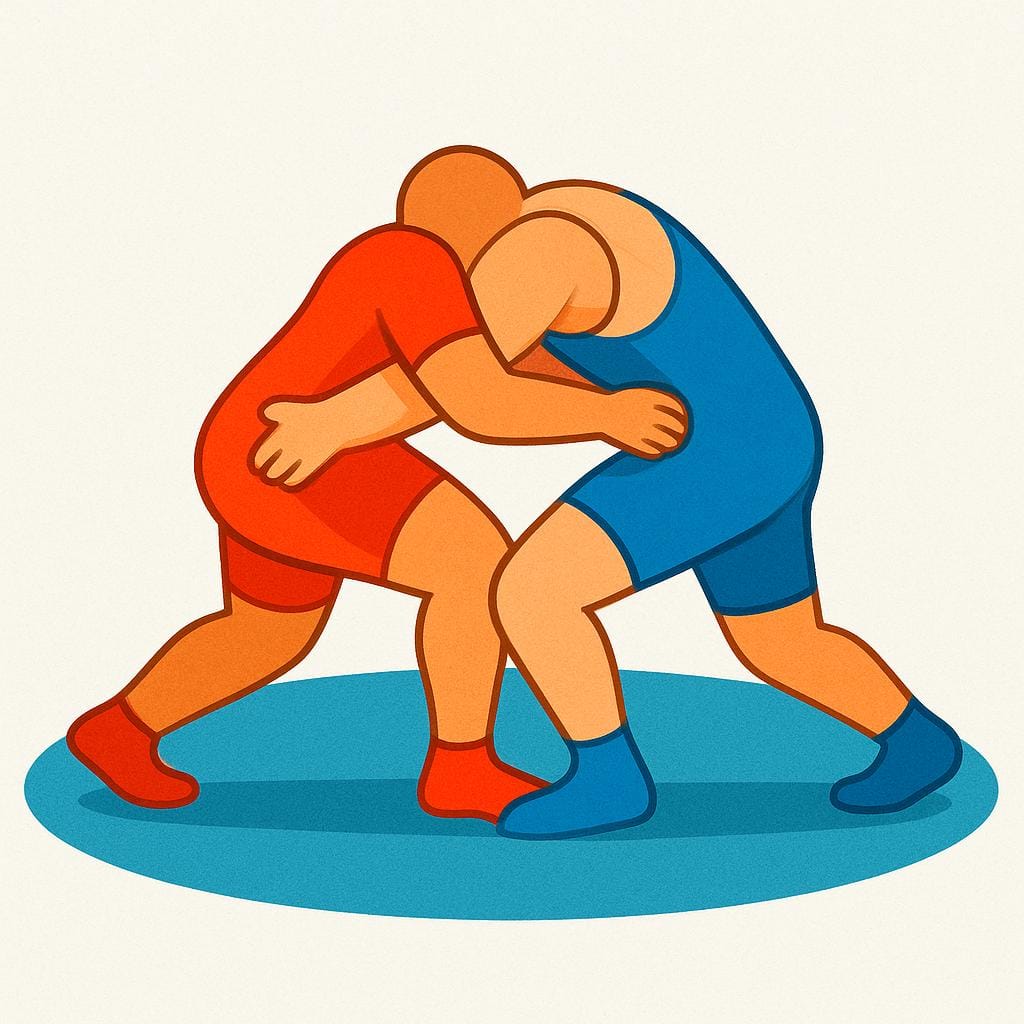
This term often refers to a physical struggle, a contest, or a more organized form of combat like wrestling.
Two stylized figures grappling intensely in a wrestling hold, illustrating a physical fight.

Examples

En México, la lucha libre es muy popular.

In Mexico, freestyle wrestling is very popular.

Hubo una breve lucha entre los dos niños por el juguete.

There was a brief fight between the two children over the toy.

Feminine Noun Rule

Even though many nouns ending in -a are feminine, remember that lucha specifically takes the feminine article (la lucha).

pleito

nounA2general
Choose this for a dispute or argument, often verbal, typically between individuals or within a smaller group.

Examples

Ellos siempre tienen un pleito por la limpieza de la casa.

They always have a fight about cleaning the house.

nounA2formal
Use this for a large-scale conflict, like a military battle, or metaphorically for a significant personal struggle against a challenge.

Examples

Su recuperación fue una larga batalla contra la enfermedad.

His recovery was a long struggle against the illness.

combate

kom-BAH-tehkomˈbate
nounB1formal
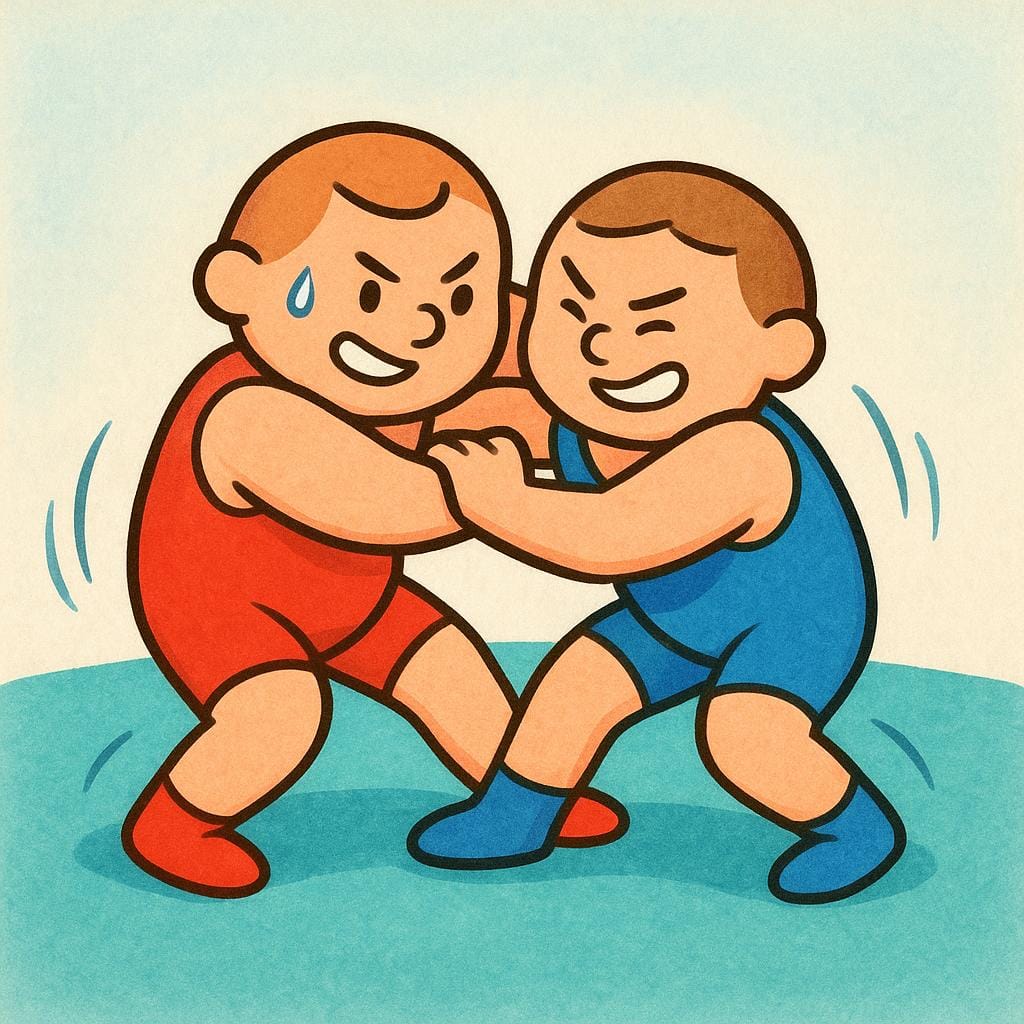
This specifically denotes a physical confrontation or struggle, often in a controlled setting like a sport or military engagement.
Two simple, stylized cartoon figures grappling or wrestling, depicting a physical confrontation.

Examples

El combate de boxeo terminó en el segundo asalto.

The boxing match ended in the second round.

La organización lidera el combate contra la pobreza infantil.

The organization leads the struggle against child poverty.

Hubo un breve combate entre las tropas enemigas.

There was a brief battle between the enemy troops.

Masculine Noun

Even though it ends in '-e', 'combate' is always a masculine noun, so you must use 'el' or 'un' before it.

guerra

GEHR-rah'gera

nounB1formal
This refers to a prolonged, large-scale conflict between nations or groups, or a continuous, intense struggle against something abstract.
A determined person straining with effort to push a massive, round gray boulder up a small green slope, symbolizing a difficult struggle.

Examples

Es una guerra constante contra la desinformación.

It's a constant struggle against misinformation.

Los dos hermanos tienen una guerra de voluntades.

The two brothers are having a war of wills.

El gobierno inició una guerra contra la pobreza.

The government started a war on poverty.

bronca

nounB1informal
Use this informal term for a scolding, a harsh reprimand, or a heated argument or quarrel.

Examples

Mi jefe me echó una bronca por llegar tarde.

My boss gave me a scolding for arriving late.

Pelea vs. Lucha vs. Batalla

Learners often confuse 'pelea,' 'lucha,' and 'batalla.' Remember, 'pelea' is for general, often personal arguments or scuffles. 'Lucha' implies more of a contest or physical struggle. 'Batalla' is for large-scale conflicts or significant, prolonged challenges.

Learn Spanish with Inklingo

Interactive stories, personalized learning, and more.