shock
“shock” means “shock” in Spanish. It has 2 different meanings depending on context:

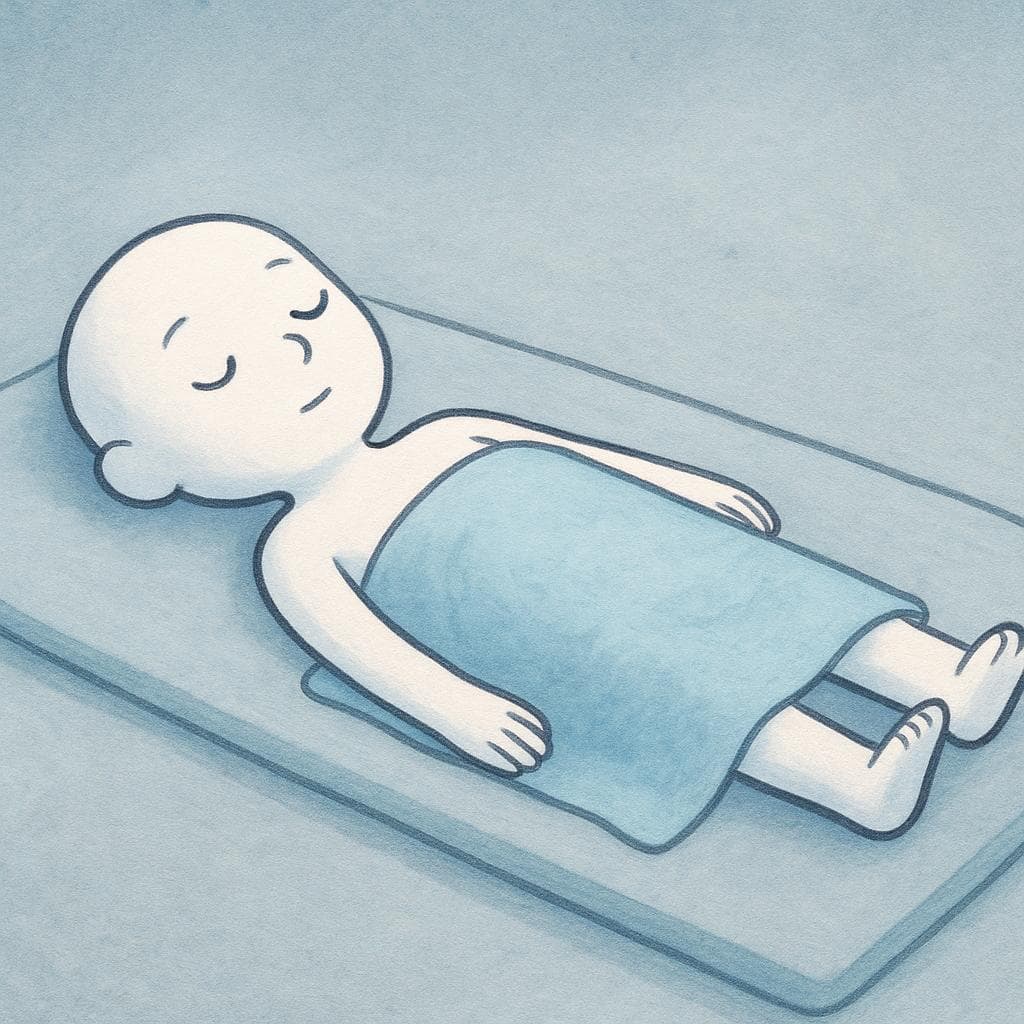
shock
Also: trauma, impact
📝 In Action
La noticia de su renuncia fue un shock para todos.
B1The news of his resignation was a shock to everyone.
Estaba en estado de shock después del accidente.
B2She was in a state of shock after the accident.
El país aún no se recupera del shock económico.
C1The country still hasn't recovered from the economic shock.
shock
Also: colapso, trauma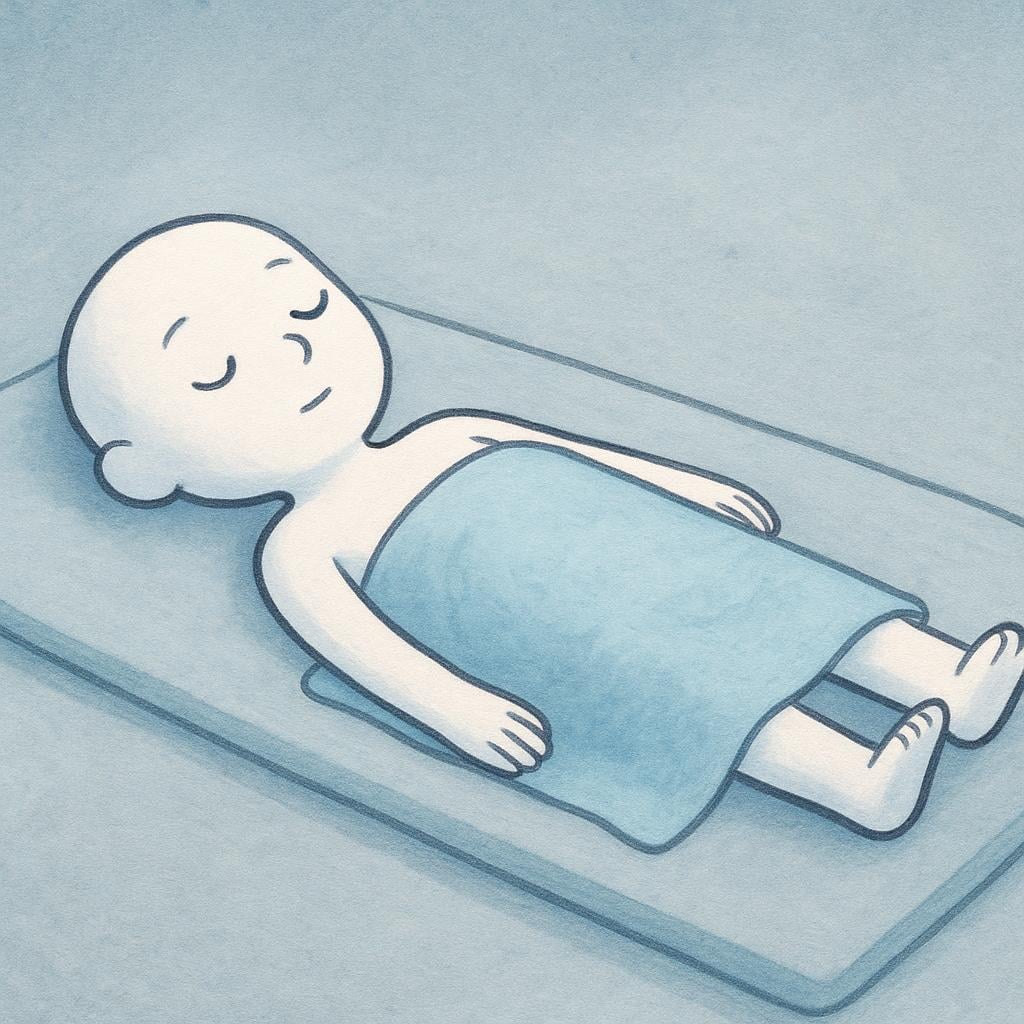
📝 In Action
El paciente entró en shock hipovolémico después de la hemorragia.
C1The patient went into hypovolemic shock after the hemorrhage.
Los paramédicos trataron de estabilizarlo para evitar el shock.
B2The paramedics tried to stabilize him to prevent shock.
✏️ Quick Practice
Quick Quiz: shock
Question 1 of 2
Which sentence correctly uses 'shock' in its medical sense?
📚 More Resources
👥 Word Family▼
🎵 Rhymes▼
📚 Etymology▼
A direct borrowing from the English word 'shock,' adopted into Spanish relatively recently, particularly in the 20th century, due to its use in medical and media contexts. It is often preferred over the native Spanish word 'choque' when referring specifically to a state of emotional trauma or medical collapse.
First recorded: Mid-20th century (as a loanword)
Cognates (Related words)
💡 Master Spanish
Take your Spanish to the next level. Read 200+ illustrated and narrated Spanish stories tailored to your level with the Inklingo app!
Frequently Asked Questions
¿Debo usar 'shock' o 'choque'?
Both are correct! 'Shock' is the direct loanword and is very common for emotional trauma or medical states. 'Choque' (CHOH-keh) is the traditional Spanish word, meaning 'crash' or 'collision,' but it can also be used for emotional 'shock' or impact, especially in formal writing.
¿Cómo sé si es masculino o femenino?
It is always masculine: 'el shock'. Just like most Spanish words that end in a consonant and come from English, it requires the masculine article.