How to Say "consequence" in Spanish
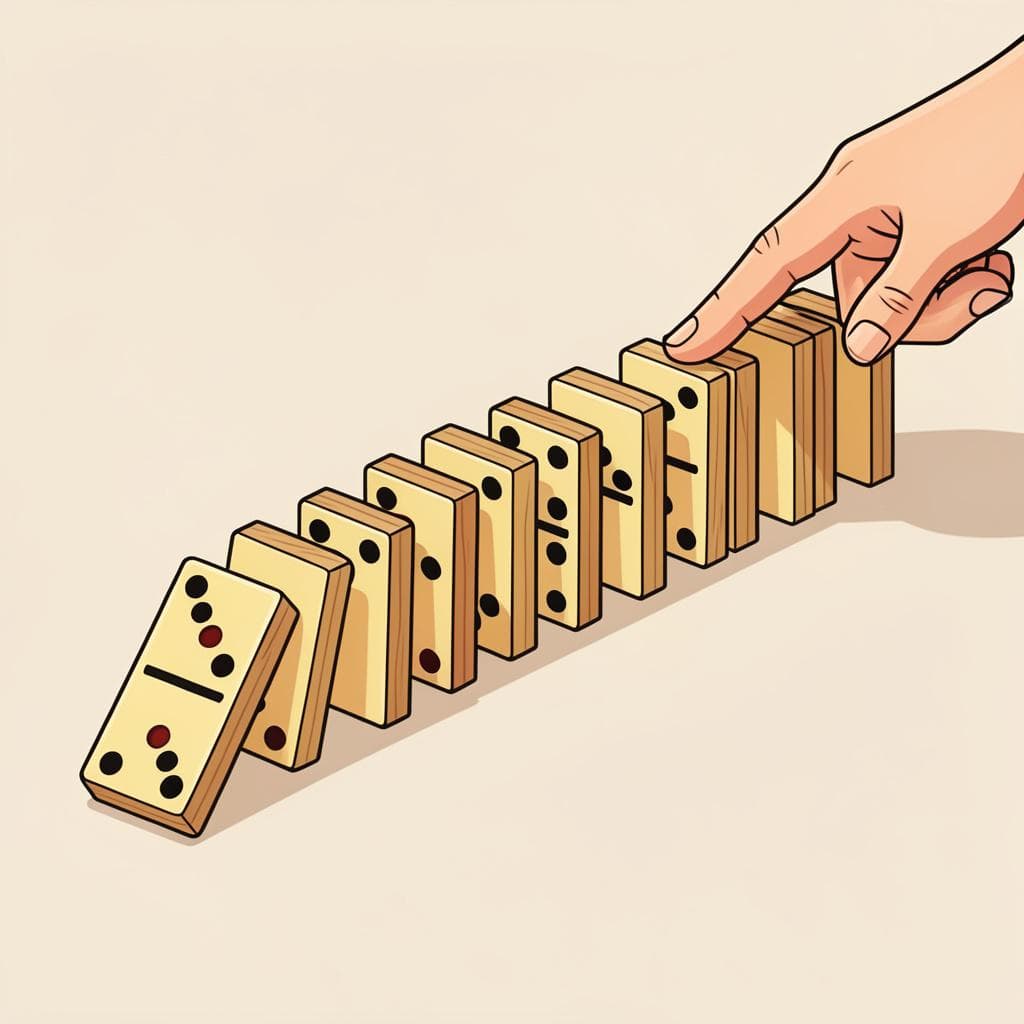
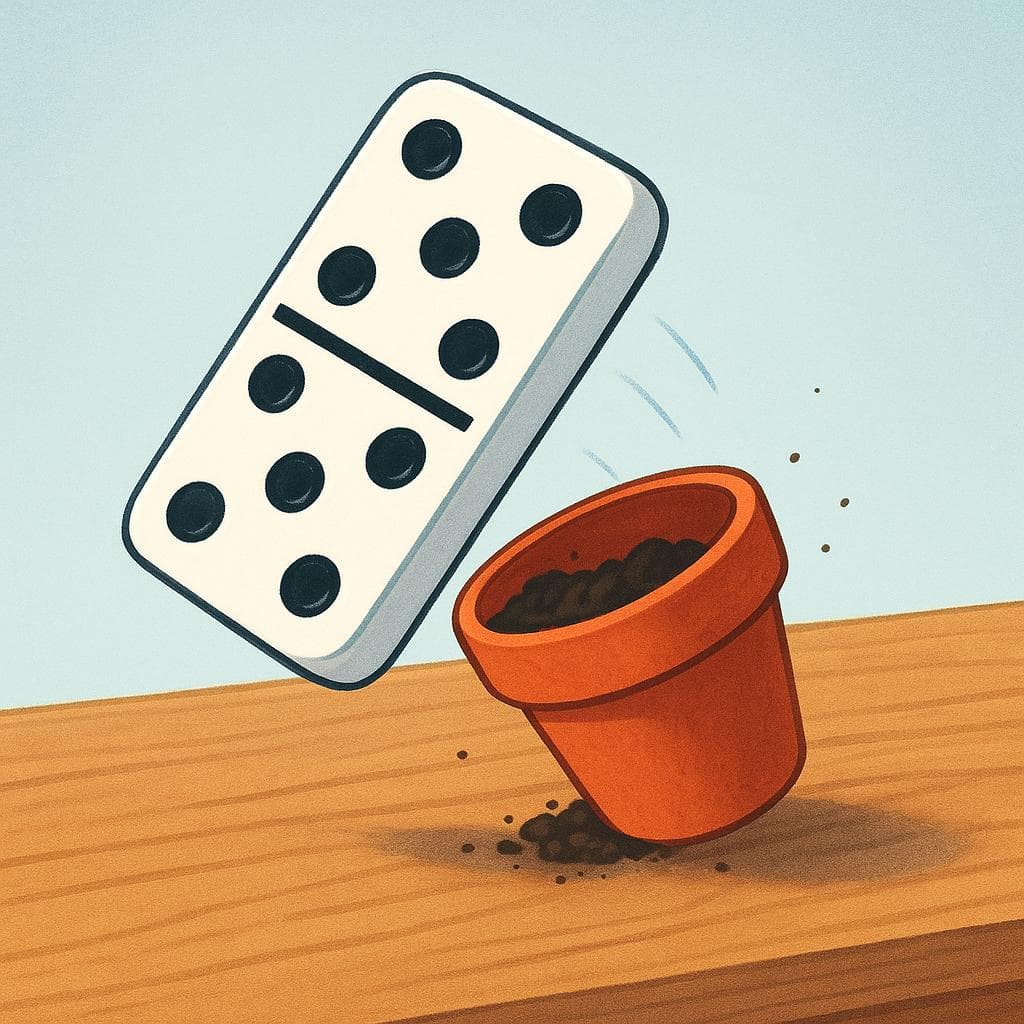
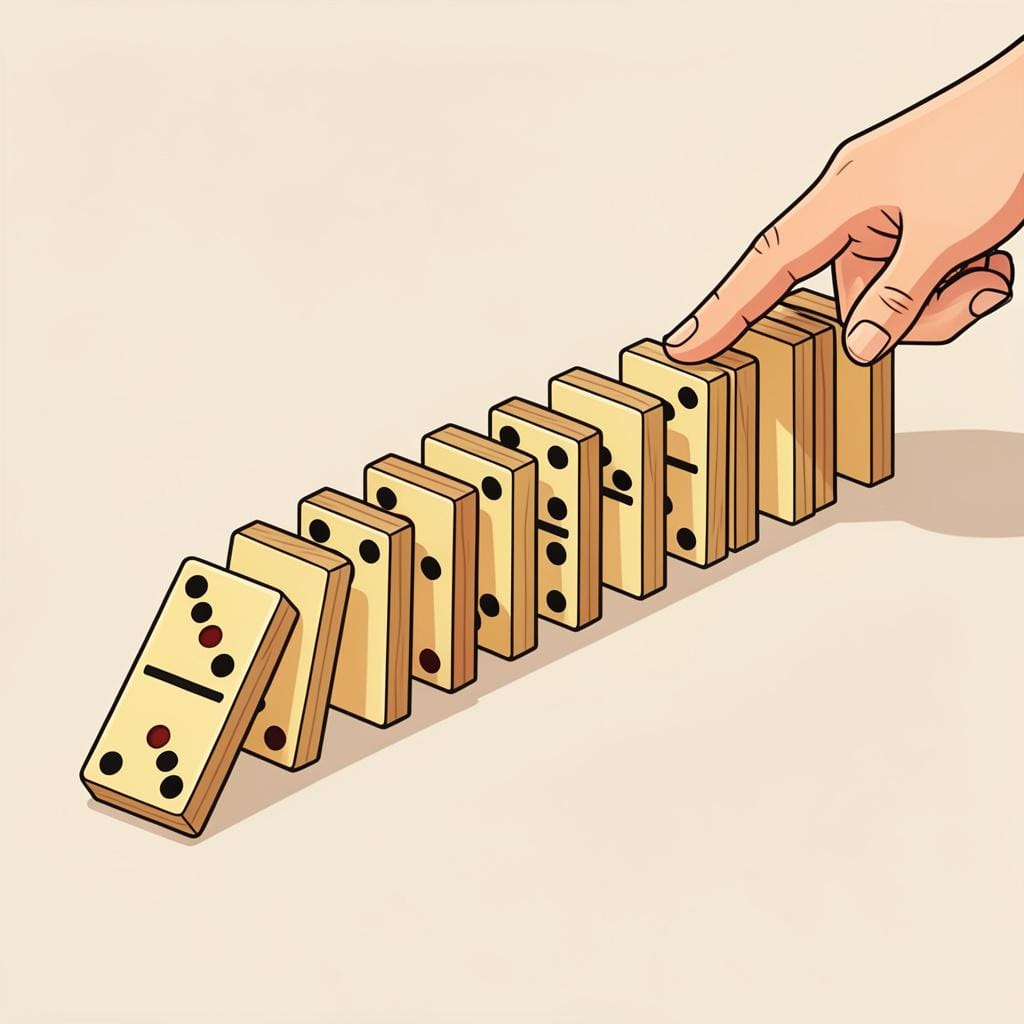
The most common Spanish word for “consequence” is “consecuencia” — use this for the general, neutral outcome or result of an action, similar to the English 'consequence' itself.







consecuencia
kon-seh-KWEN-syahkonseˈkwensja
Examples
Toda acción tiene una consecuencia.
Every action has a consequence.
Llegué tarde como consecuencia del tráfico.
I arrived late as a result of the traffic.
Debes asumir las consecuencias de tus decisiones.
You must accept the consequences of your decisions.
Feminine Noun
This word is feminine, so you should use 'la' or 'una' with it (e.g., 'la consecuencia').
Result vs. Consequence
Mistake: “Using 'consecuencia' only for bad things.”
Correction: While often used for negative outcomes, it can also be used neutrally in formal logic or science.
resultado
reh-soo-TAH-dohresuɫˈt̪aðo

Examples
¿Cuál fue el resultado del partido anoche?
What was the score of the game last night?
Necesitamos un resultado más positivo para la reunión.
We need a more positive outcome for the meeting.
Los científicos publicaron los resultados de su experimento.
The scientists published the results of their experiment.
Masculine Gender
Since 'resultado' ends in '-o', it is a masculine noun. Always use 'el' or 'un' before it, like 'El resultado es claro' (The result is clear).
Using 'la' instead of 'el'
Mistake: “La resultado fue sorprendente.”
Correction: El resultado fue sorprendente. (Remember the pattern: most nouns ending in -o are masculine.)
efecto
eh-FEK-toheˈfekto
Examples
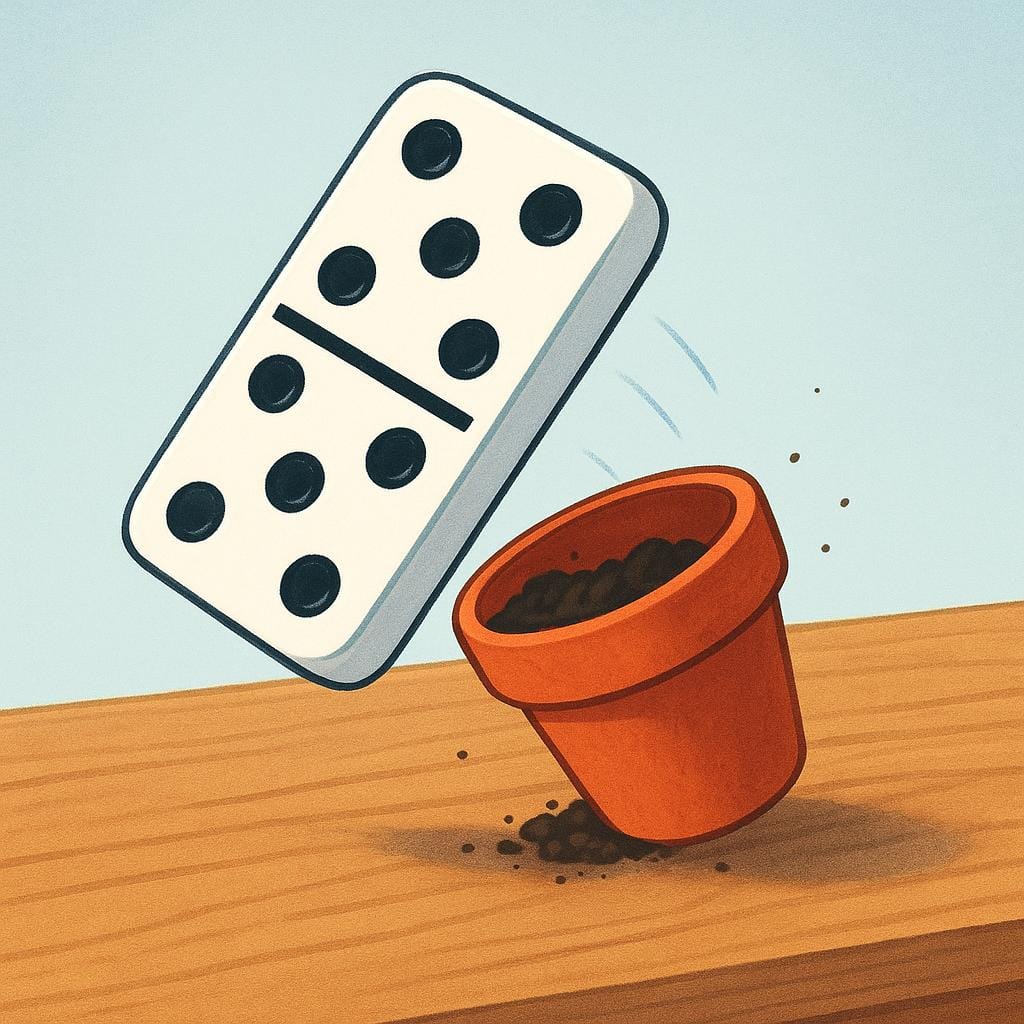
La medicina ya hizo efecto en mí.
The medicine already had an effect on me.
El aumento de precios es un efecto de la escasez.
The price increase is a result of the shortage.
Using 'Efecto' in Phrases
A very common phrase is 'hacer efecto' (to take effect/to work), used often with medicine or advice.
Confusing 'Efecto' and 'Afecto'
Mistake: “Using 'afecto' when you mean 'effect'.”
Correction: 'Afecto' means affection or fondness. 'Efecto' is the consequence or result. 'El clima me afectó' (The weather affected me).
importancia
im-por-TAN-siaim.porˈtan.sja

Examples
La reunión de hoy tiene mucha importancia para el proyecto.
Today's meeting has a lot of importance for the project.
No le des tanta importancia a ese pequeño error.
Don't give so much importance to that small mistake.
Para mí, la familia es lo que tiene más importancia.
For me, family is what has the most significance.
Feminine Noun Rule
Remember that 'importancia' is a feminine word, so you must use feminine words with it: 'mucha importancia', 'la importancia'.
Using 'de importancia'
You can use 'de importancia' (of importance) as an adjective phrase to describe nouns, like 'un tema de importancia' (an important topic).
Using 'Importante' as a Noun
Mistake: “La importante de la reunión es el presupuesto.”
Correction: La importancia de la reunión es el presupuesto. (The quality of being important is 'importancia', while 'importante' is the adjective.)
repercusión
re-per-koo-SYOHNreperkuˈsjon

Examples
Sus palabras tuvieron una gran repercusión en la prensa.
His words had a great impact on the press.
La huelga tendrá repercusiones económicas importantes.
The strike will have important economic consequences.
El descubrimiento no tuvo la repercusión que se esperaba.
The discovery didn't have the resonance that was expected.
Gender Pattern
Most Spanish words ending in '-ción' are feminine. Always use 'la' or 'una' with this word.
The Disappearing Accent
When you make this word plural ('repercusiones'), the accent mark over the 'o' disappears because the natural stress moves.
Gender Error
Mistake: “el repercusión”
Correction: la repercusión. Even though it sounds like it could be masculine, '-ción' words are almost always feminine.
Keeping the Accent in Plural
Mistake: “repercusiónes”
Correction: repercusiones. You only need the accent mark when the stress is on the last syllable. In the plural, the stress moves to the second-to-last syllable.
producto
proh-DOOK-tohpɾoˈðukto

Examples
Su tristeza es producto de la soledad que siente.
His sadness is the result of the loneliness he feels.
El escándalo fue producto de una investigación periodística.
The scandal was the consequence of a journalistic investigation.
Figurative Use
When used this way, 'producto' often follows the verb 'ser' (to be) to explain the origin or cause of something abstract.
implicación
eem-plee-ka-thyonimplikaˈθjon

Examples
Este descubrimiento tiene implicaciones científicas importantes.
This discovery has important scientific implications.
Debemos considerar las implicaciones legales.
We must consider the legal implications.
No entiendo la implicación de tus palabras.
I don't understand the implication of your words.
Plural Power
When talking about results or consequences, we almost always use the plural form: 'las implicaciones'.
Don't confuse with 'implicar'
Mistake: “La implicación de que...”
Correction: Esto implica que...
secuela
seh-KWEH-lahseˈkwela

Examples
El paciente no tiene secuelas después de la operación.
The patient has no aftereffects after the surgery.
La crisis económica dejó graves secuelas en el país.
The economic crisis left serious consequences in the country.
Tiene algunas secuelas psicológicas por el accidente.
He has some psychological aftereffects from the accident.
Always Feminine
Even when talking about a man's medical issues, 'secuela' stays feminine. Use 'la' or 'una' every time.
Plural Usage
This word is most often used in the plural ('secuelas') because events usually leave more than one lingering effect.
Confusing with 'consecuencia'
Mistake: “Using 'secuela' for a simple result like 'The result of 2+2 is 4'.”
Correction: Use 'secuela' for things that linger or remain after a major event, usually negative things like injuries or scars.
trascendencia
trahs-sen-DEN-syahtɾasθenˈdenθja

Examples
Esta decisión tiene mucha trascendencia para el futuro de la empresa.
This decision has great importance for the future of the company.
Nadie imaginaba la trascendencia que tendrían sus palabras.
No one imagined the significance his words would have.
Es un asunto de gran trascendencia nacional.
It is a matter of great national consequence.
Using 'de' for descriptions
To describe a thing as 'important' using this word, we usually put 'de' before it. For example, instead of saying 'a trascendencia event,' we say 'un evento DE trascendencia'.
Always Feminine
Even though it ends in '-cia,' it follows the rule of most words ending in '-encia': it is always feminine (la trascendencia), regardless of what it is describing.
Confusing with 'importancia'
Mistake: “Using 'trascendencia' for small things like 'la trascendencia de comprar pan'.”
Correction: Use 'importancia' for everyday tasks. Save 'trascendencia' for things that change the future or have a very deep impact.
General Result vs. Specific Impact
Related Translations
Learn Spanish with Inklingo
Interactive stories, personalized learning, and more.