producto
“producto” means “product” in Spanish. It has 3 different meanings depending on context:


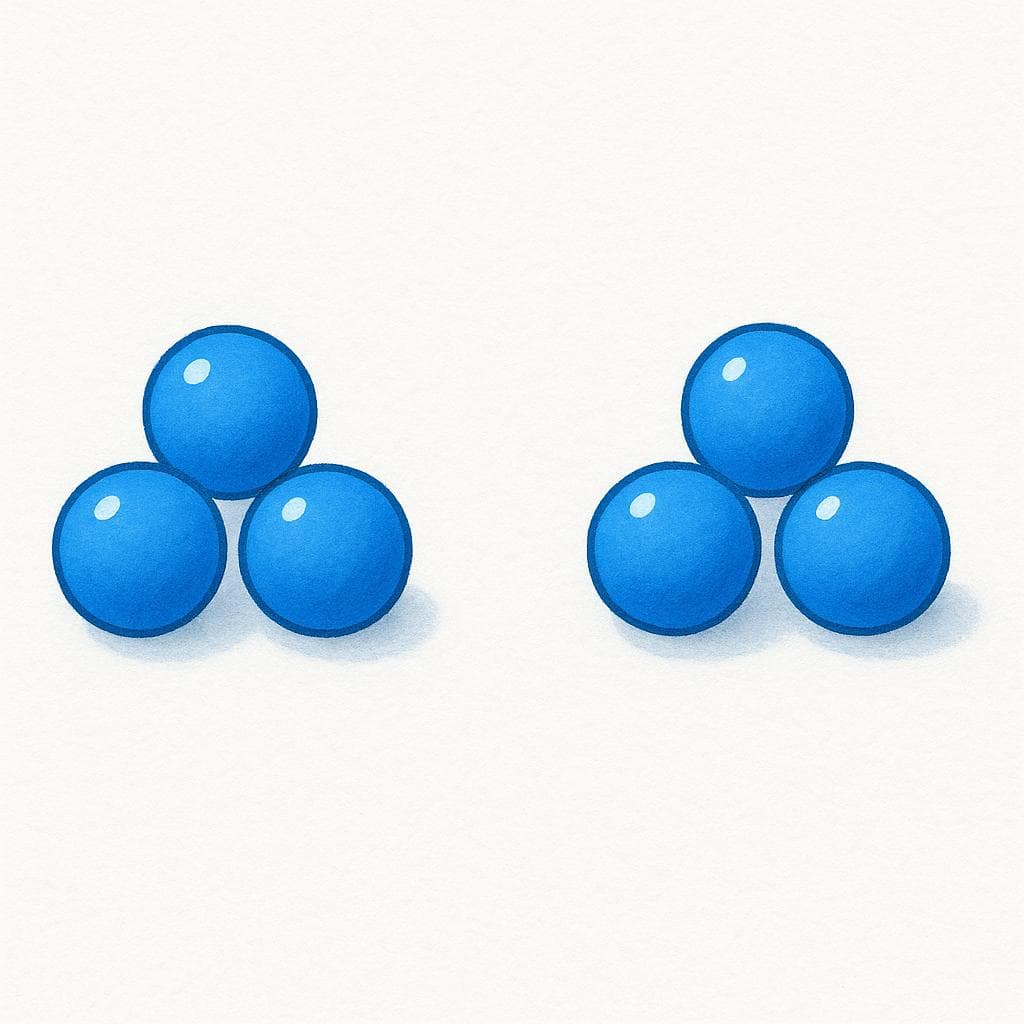
productAlso: goods

📝 In Action
Necesito comprar un producto para limpiar el suelo.
A1I need to buy a product to clean the floor.
Este es el producto estrella de nuestra compañía.
A2This is the star product of our company.
Los productos frescos se encuentran en el pasillo tres.
A2The fresh produce is in aisle three.
Word Connections
resultAlso: consequence

📝 In Action
Su tristeza es producto de la soledad que siente.
B1His sadness is the result of the loneliness he feels.
El escándalo fue producto de una investigación periodística.
B2The scandal was the consequence of a journalistic investigation.
Word Connections
productAlso: yield

📝 In Action
El producto de tres por cuatro es doce.
C1The product of three times four is twelve.
Analizamos los productos de la reacción química.
C1We analyzed the products (outputs) of the chemical reaction.
Word Connections
Translate to Spanish
Words that translate to "producto" in Spanish:
✏️ Quick Practice
Quick Quiz: producto
Question 1 of 1
Which sentence uses 'producto' to mean 'the result of a situation'?
📚 More Resources
👥 Word Family
🎵 Rhymes
📚 Etymology
The word comes directly from the Latin *prōductus*, which was the past form (past participle) of the verb *prōdūcere*, meaning 'to bring forth,' 'to lead out,' or 'to create.' It has always been connected to the idea of something being made or resulting from a process.
First recorded: 15th century
Cognates (Related words)
💡 Master Spanish
Take your Spanish to the next level. Read 200+ illustrated and narrated Spanish stories tailored to your level with the Inklingo app!
Frequently Asked Questions
Why is 'producto' masculine when its related word 'producción' is feminine?
This is a common pattern in Spanish! 'Producto' (the item/result) follows the typical masculine ending pattern (-o). 'Producción' (the act or process of producing) follows the pattern that words ending in '-ción' are almost always feminine (like 'la acción'). They are related, but their grammatical gender depends on their specific ending.