consecuencia
“consecuencia” means “consequence” in Spanish. It has 2 different meanings depending on context:
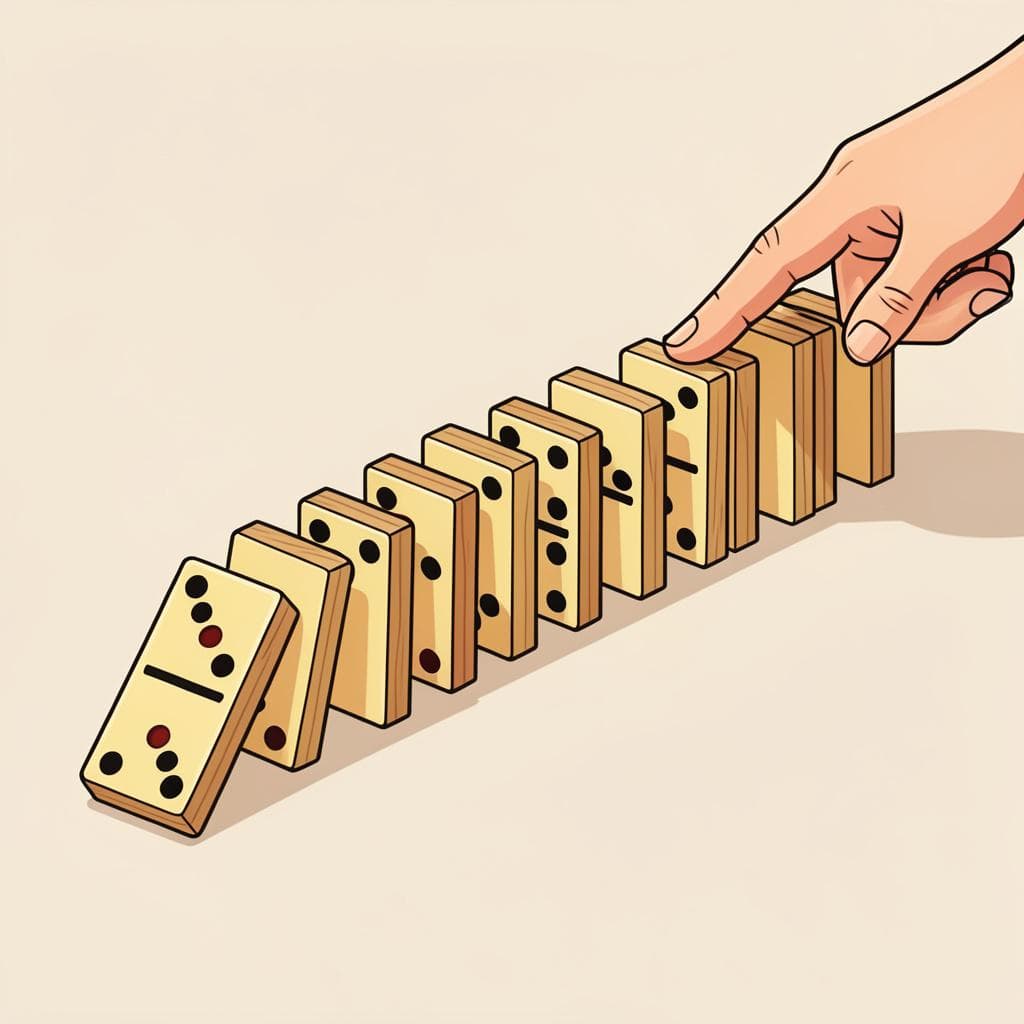

consequence, result
Also: aftermath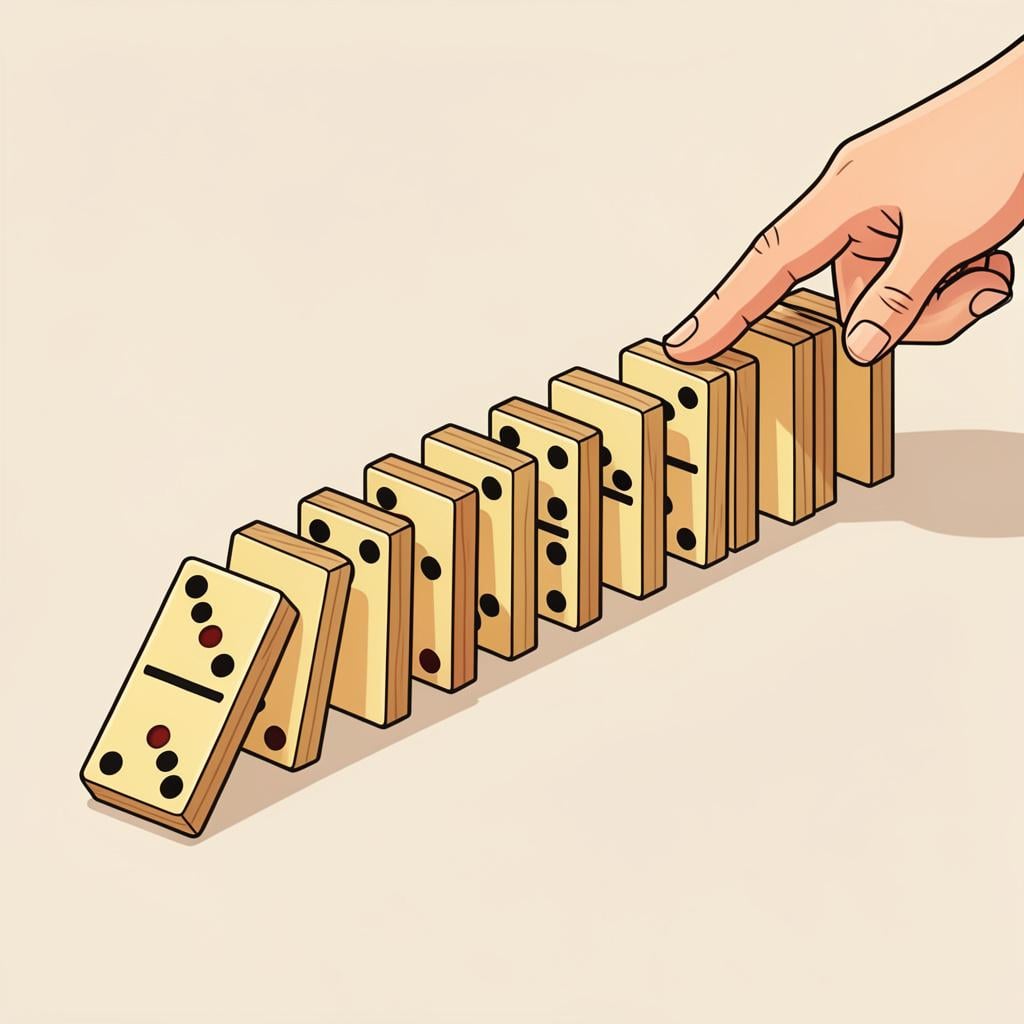
📝 In Action
Toda acción tiene una consecuencia.
A2Every action has a consequence.
Llegué tarde como consecuencia del tráfico.
B1I arrived late as a result of the traffic.
Debes asumir las consecuencias de tus decisiones.
B1You must accept the consequences of your decisions.
consistency, coherence

📝 In Action
Siempre actúa con consecuencia con sus ideas.
C1He always acts consistently with his ideas.
🔀 Commonly Confused With
Translate to Spanish
Words that translate to "consecuencia" in Spanish:
aftermath→coherence→consequence→consistency→result→✏️ Quick Practice
Quick Quiz: consecuencia
Question 1 of 1
Which phrase is used to say 'as a result of'?
📚 More Resources
👥 Word Family▼
🎵 Rhymes▼
📚 Etymology▼
From the Latin word 'consequentia', which comes from 'consequi' meaning 'to follow closely' or 'to follow after.'
First recorded: 13th century
Cognates (Related words)
💡 Master Spanish
Take your Spanish to the next level. Read 200+ illustrated and narrated Spanish stories tailored to your level with the Inklingo app!
Frequently Asked Questions
Is 'consecuencia' always bad?
Not strictly, but in everyday Spanish, it usually hints at a negative or serious result. If you want to talk about a neutral result (like in a soccer match or a math problem), 'resultado' is more common.
How do I say 'therefore' using this word?
You can say 'en consecuencia.' For example: 'No estudió; en consecuencia, reprobó' (He didn't study; therefore, he failed).