How to Say "ordeal" in Spanish
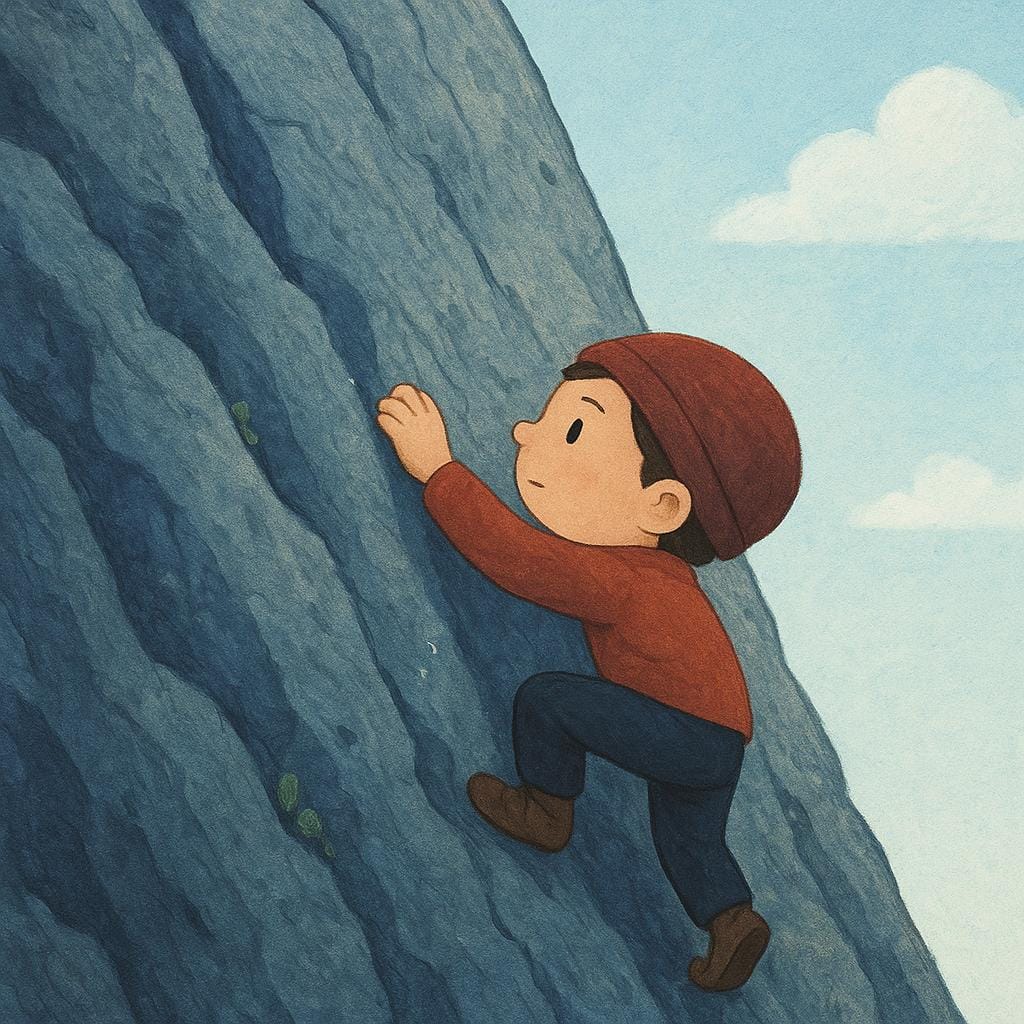
The most common Spanish word for “ordeal” is “batalla” — use 'batalla' when the ordeal is framed as a prolonged and active struggle or fight against a difficult situation, often involving significant effort and resilience.
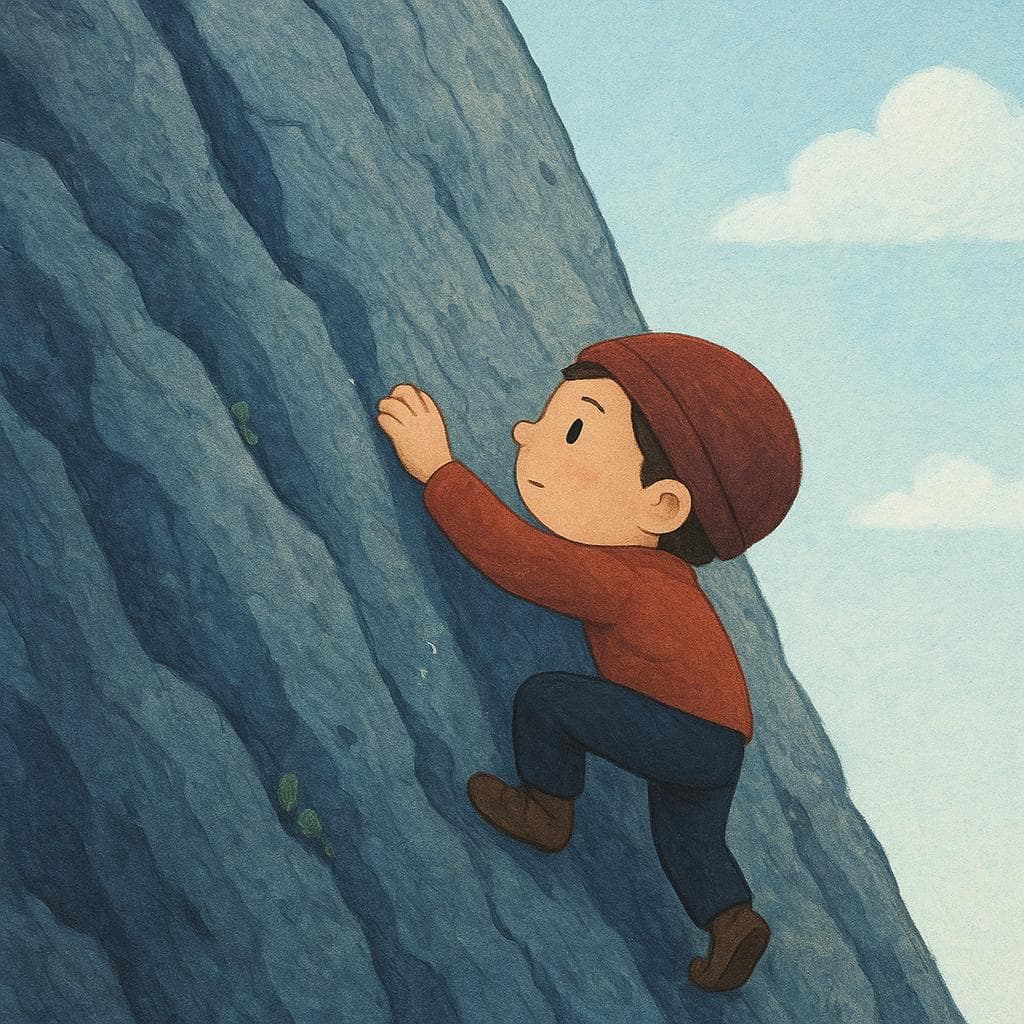
Use 'batalla' when the ordeal is framed as a prolonged and active struggle or fight against a difficult situation, often involving significant effort and resilience.
Learn more →
Use 'experiencia' for any difficult event that leaves a strong impression, whether positive or negative, emphasizing the event itself rather than the struggle.
Learn more →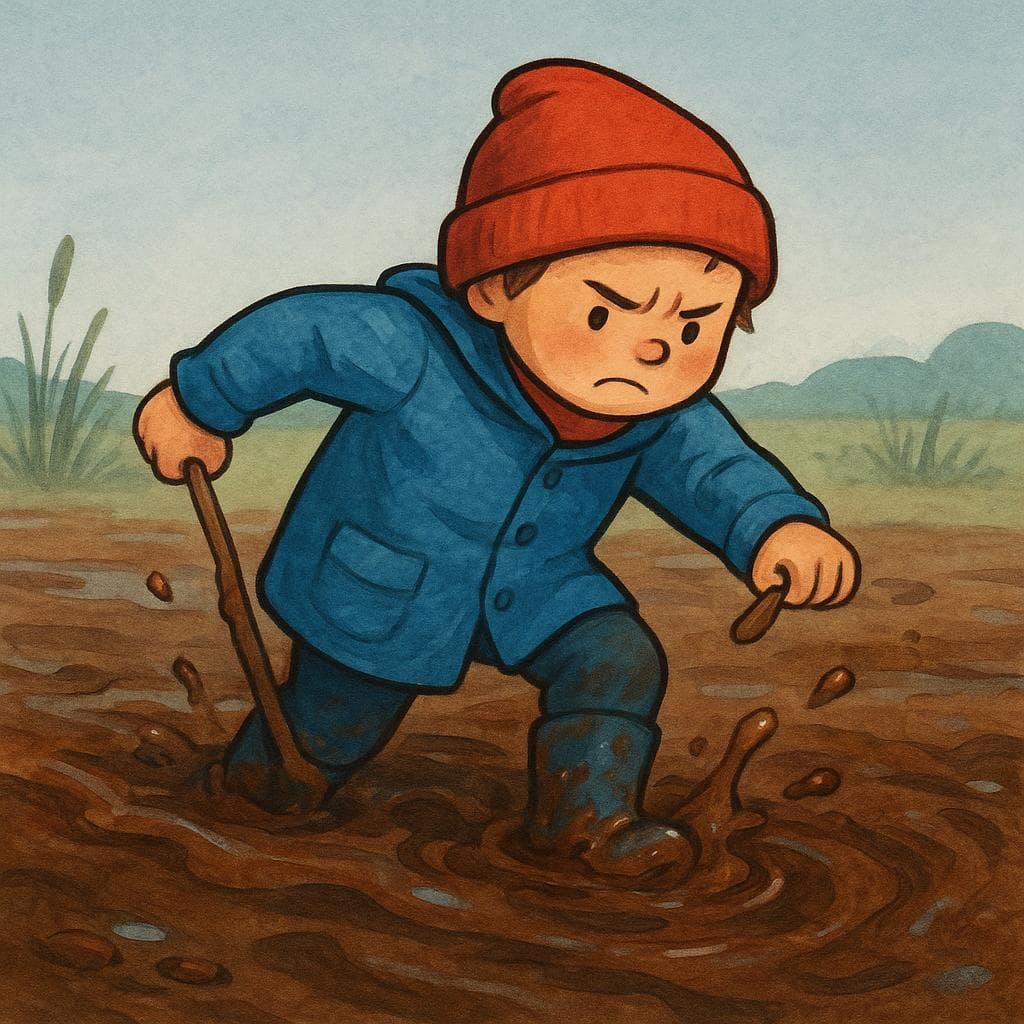
Use 'tortura' to express that an experience is extremely unpleasant, tedious, or agonizing, highlighting the suffering it causes.
Learn more →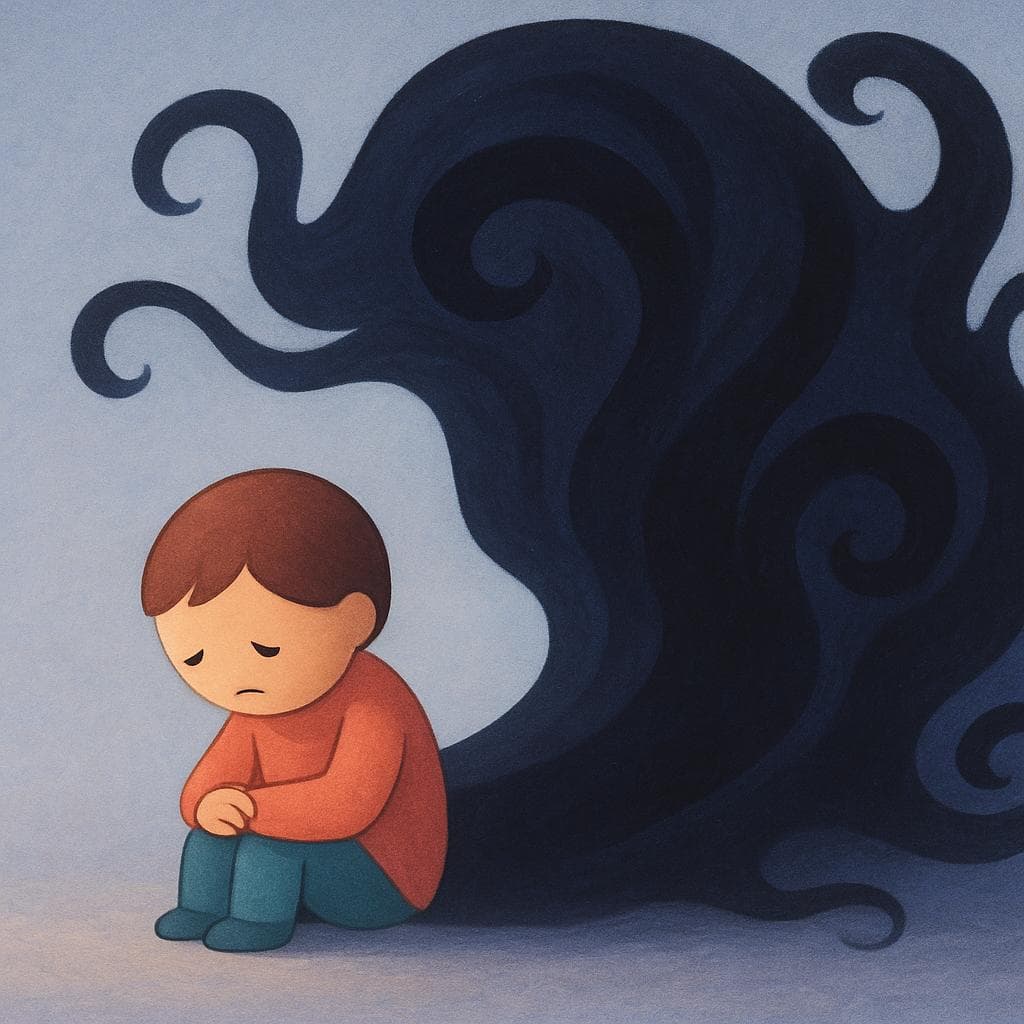
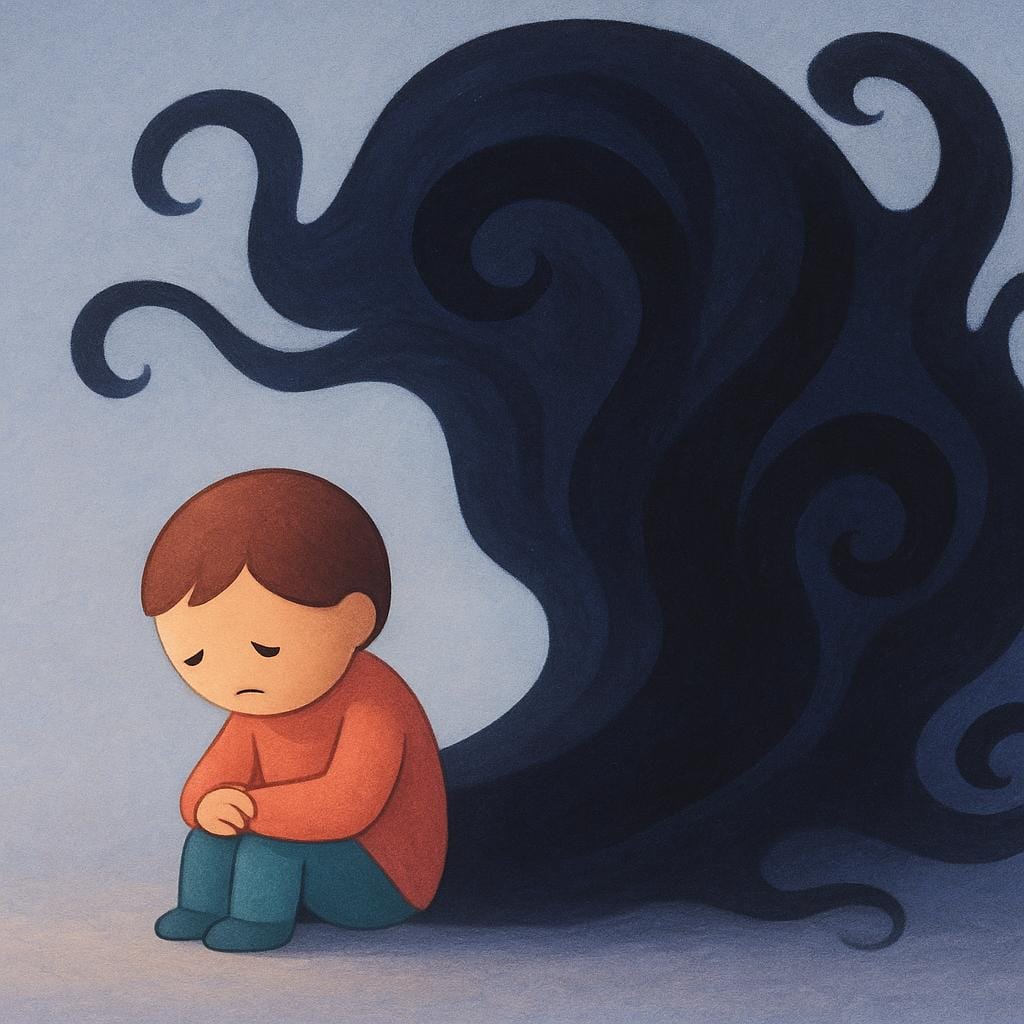
Use 'trauma' specifically for a deeply distressing or disturbing experience that causes lasting psychological impact, often in a clinical or emotional context.
Learn more →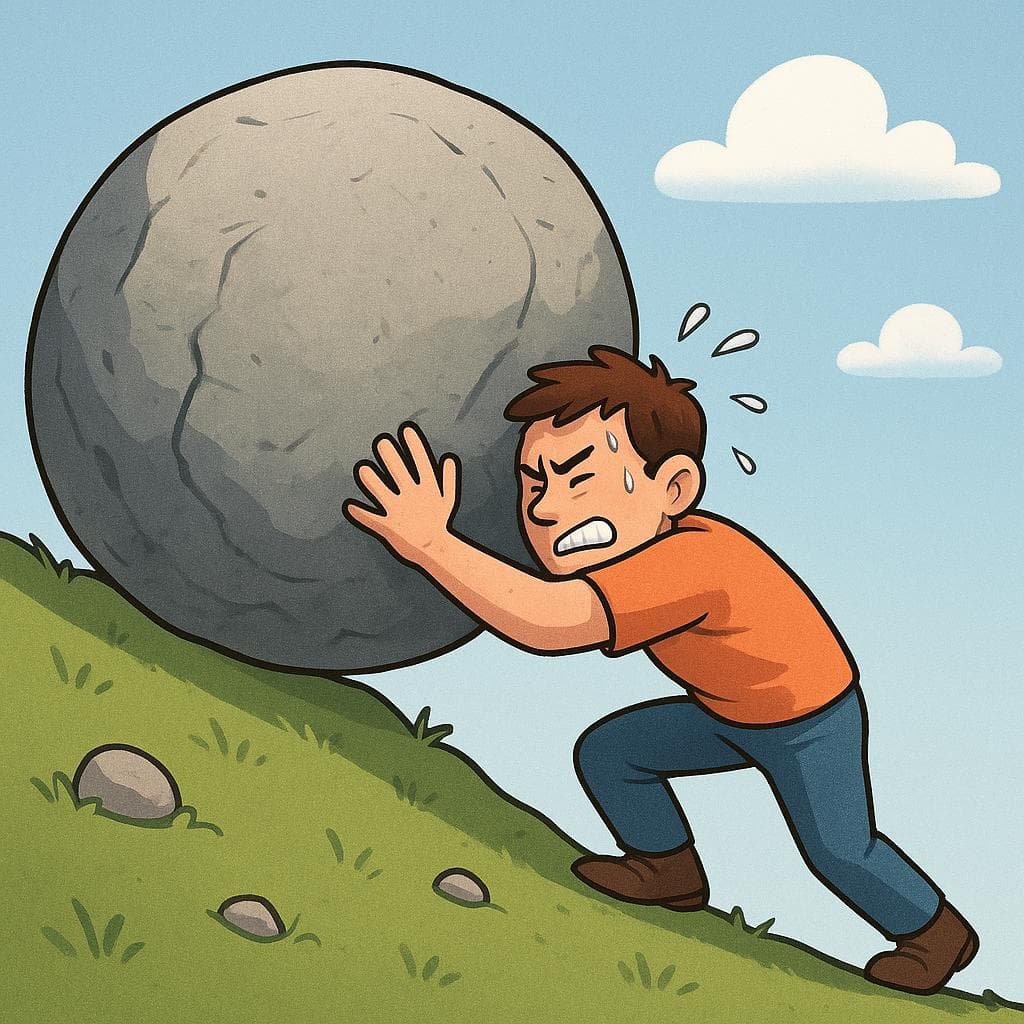
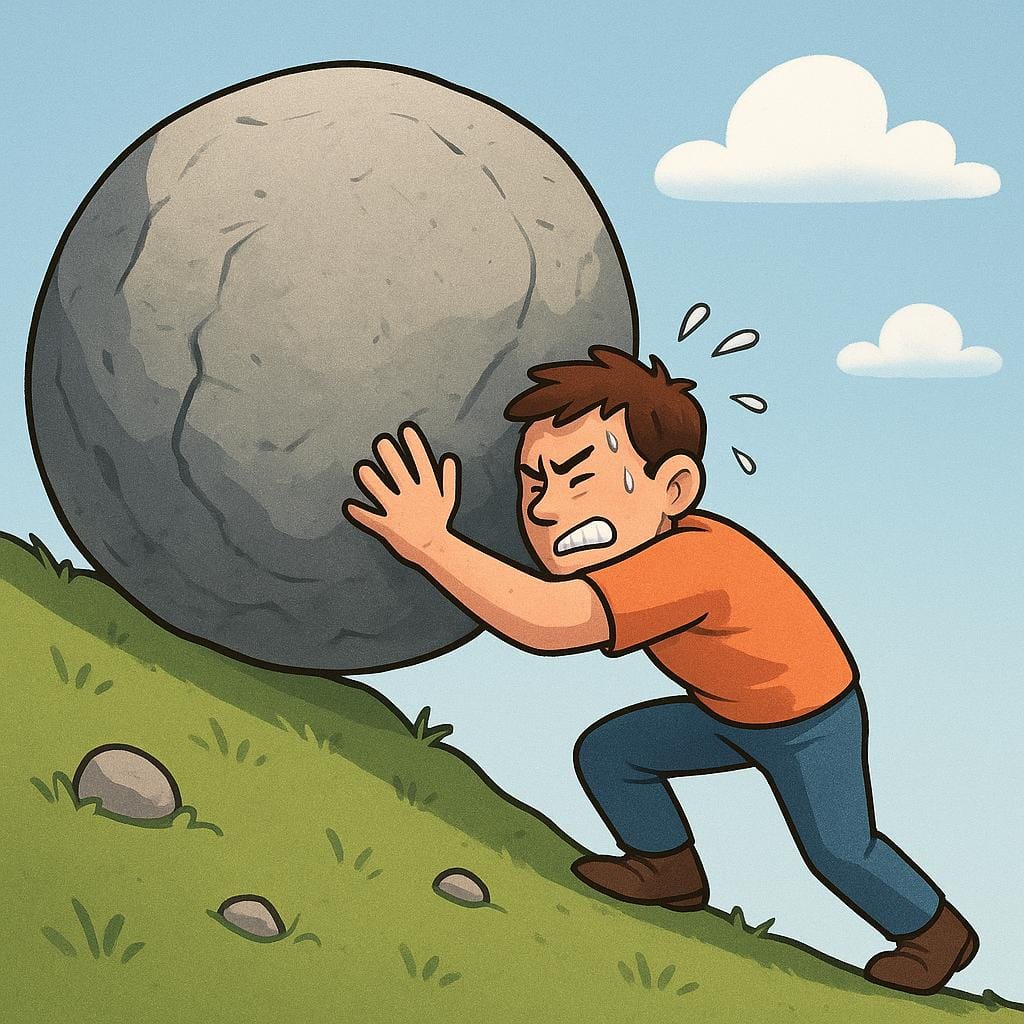
Choose 'pesadilla' when the ordeal is a prolonged, chaotic, and extremely unpleasant situation, often characterized by frustration and difficulty in resolving it.
Learn more →
Use 'trance' to refer to a specific, difficult, or painful phase or period that one must go through and eventually overcome.
Learn more →bah-TAH-yahbaˈtaʝa
Examples
Su recuperación fue una larga batalla contra la enfermedad.
His recovery was a long battle against the illness.
Cada día es una batalla para conseguir terminar el proyecto.
Every day is a fight to manage to finish the project.
Preposition Use
When talking about what you are fighting against, use the preposition 'contra': 'la batalla contra la pobreza' (the struggle against poverty).
Using 'pelea' for Abstract Fights
Mistake: “Usar 'una pelea contra el cáncer'”
Correction: Use 'una batalla contra el cáncer'. 'Pelea' is usually for physical or verbal arguments between people.
ex-peh-RYEN-syaekspeˈɾjensja

Examples
El viaje a Perú fue una experiencia inolvidable.
The trip to Peru was an unforgettable experience.
Perder mi pasaporte fue una muy mala experiencia.
Losing my passport was a very bad experience.
Cuéntame alguna experiencia divertida de tu infancia.
Tell me a fun experience from your childhood.
tor-TOO-ratoɾˈtuɾa
Examples
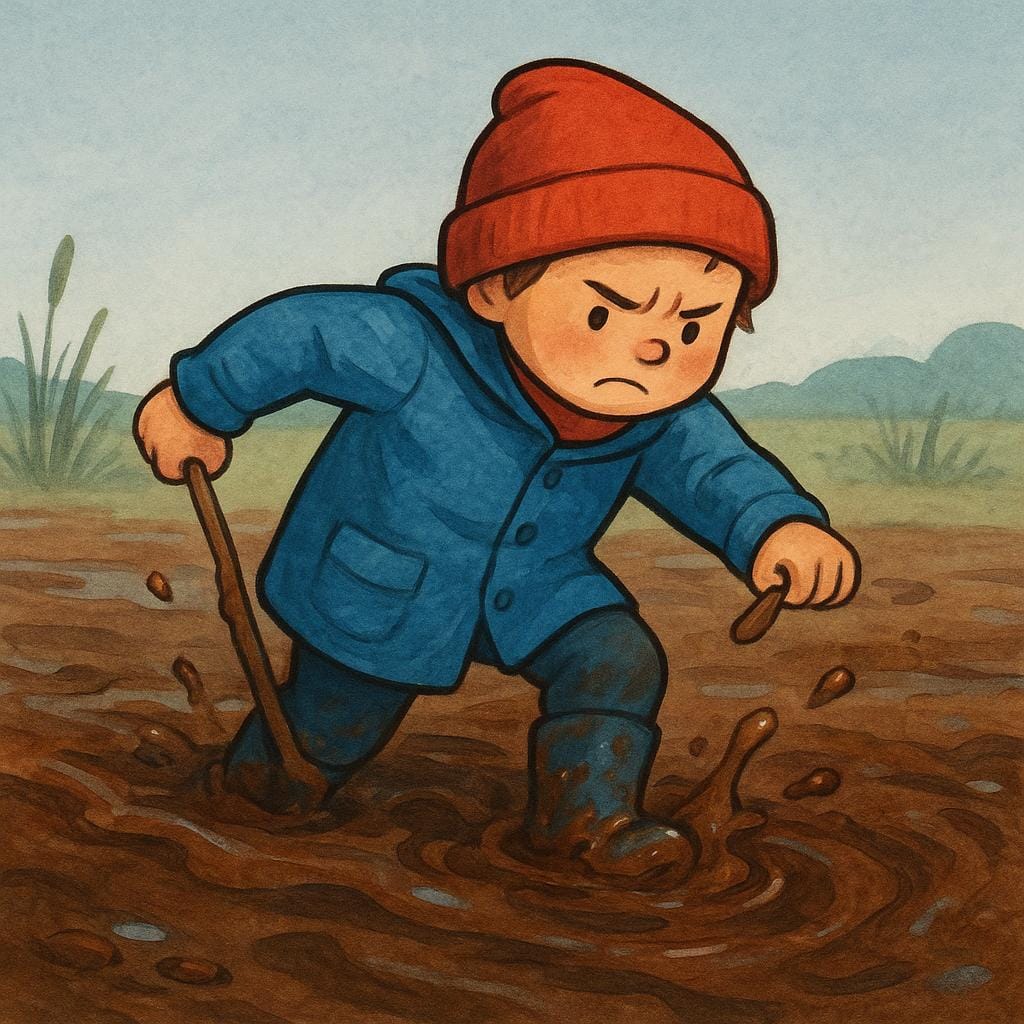
Hacer la declaración de impuestos es una tortura.
Doing the tax return is an ordeal (a torture).
Esperar en esa fila fue una tortura.
Waiting in that line was a pain.
Figurative Use
You can use 'tortura' to exaggerate how difficult or boring something is, similar to saying 'It's a killer' in English.
TRAU-mahˈtɾau̯.ma
Examples
Superar un trauma infantil puede ser un proceso largo.
Overcoming childhood trauma can be a long process.
La pérdida de su mascota le causó un gran trauma emocional.
The loss of his pet caused him great emotional trauma.
Necesita ayuda profesional para lidiar con el trauma de la separación.
She needs professional help to deal with the trauma of the separation.
Masculine Noun Ending in -a
Even though 'trauma' ends in '-a', it is a masculine noun. Always say 'el trauma' or 'un trauma.' This is common for many Spanish words borrowed from Greek, like 'el problema' or 'el tema'.
Incorrect Gender
Mistake: “La trauma fue muy fuerte.”
Correction: El trauma fue muy fuerte. Remember that 'trauma' is masculine, so use 'el' or 'un' before it.
peh-sah-DEE-yahpesaˈðiʎa
Examples
Intentar conseguir los permisos fue una pesadilla burocrática.
Trying to get the permits was a bureaucratic nightmare.
La construcción de la casa se convirtió en una pesadilla financiera para ellos.
The construction of the house turned into a financial nightmare for them.
Using 'Ser' and 'Convertirse'
When referring to a situation, you often use 'ser' (to be) or 'convertirse en' (to turn into): 'Es una pesadilla' or 'Se convirtió en una pesadilla'.
trahn-sehˈtɾanθe

Examples
Superar ese trance amargo le tomó mucho tiempo.
It took him a long time to get over that bitter ordeal.
Estamos en un trance decisivo para el futuro de la empresa.
We are at a decisive stage for the future of the company.
No quisiera pasar por un trance así de nuevo.
I wouldn't want to go through a situation like that again.
Gender Identification
Even though it ends in 'e', 'trance' is masculine. Always use 'el' or 'un'.
Abstract Usage
In Spanish, this word describes the 'event' or 'passage' through a hard time, rather than just the feeling of being stuck.
Thinking it only means a 'hypnotic state'
Mistake: “Using it only for spiritual contexts.”
Correction: Remember that in 90% of daily Spanish conversations, it refers to a tough situation or a 'moment' you have to get through.
Confusing Struggle vs. Nightmare
Learners often confuse 'batalla' (a struggle) with 'pesadilla' (a nightmare). Remember that 'batalla' implies a fight or a sustained effort against something, while 'pesadilla' describes a chaotic, frustrating, and prolonged bad experience, often involving bureaucracy or overwhelming complexity.
Related Translations
Learn Spanish with Inklingo
Interactive stories, personalized learning, and more.