How to Say "adventure" in Spanish
The most common Spanish word for “adventure” is “aventura” — use 'aventura' when referring to an exciting or unusual undertaking, often implying risk or exploration.

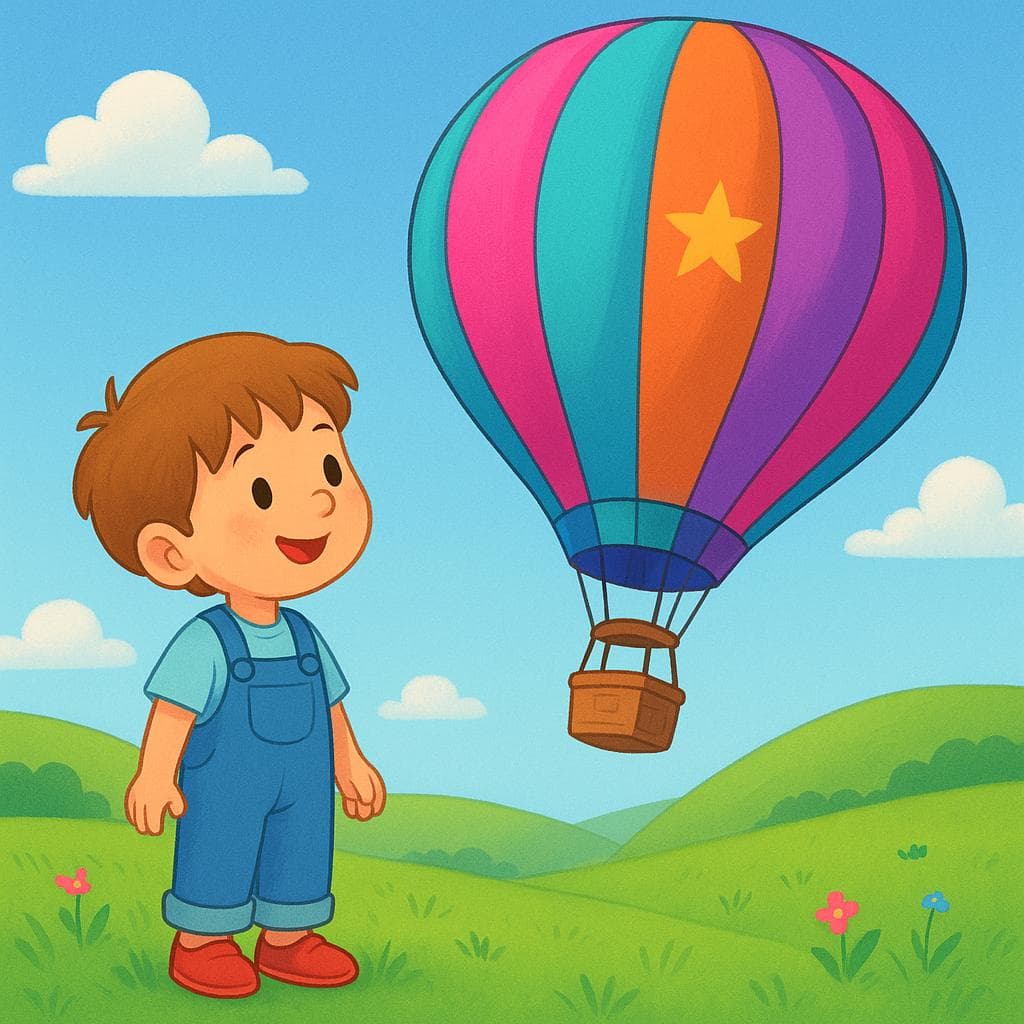
aventura
ah-ben-TOO-raha.βenˈtu.ɾa

Examples
Viajar por Sudamérica fue la aventura de mi vida.
Traveling through South America was the adventure of my life.
¿Quieres venir a esta aventura con nosotros?
Do you want to come on this adventure with us?
La película trata de una aventura espacial.
The movie is about a space adventure.
Gender Reminder
Even though 'aventura' ends in '-a', which is common for feminine nouns, you must always use the feminine article 'la' or 'una' with it.
Using the wrong article
Mistake: “El aventura (Incorrect)”
Correction: La aventura (Correct). Remember 'aventura' is always feminine.
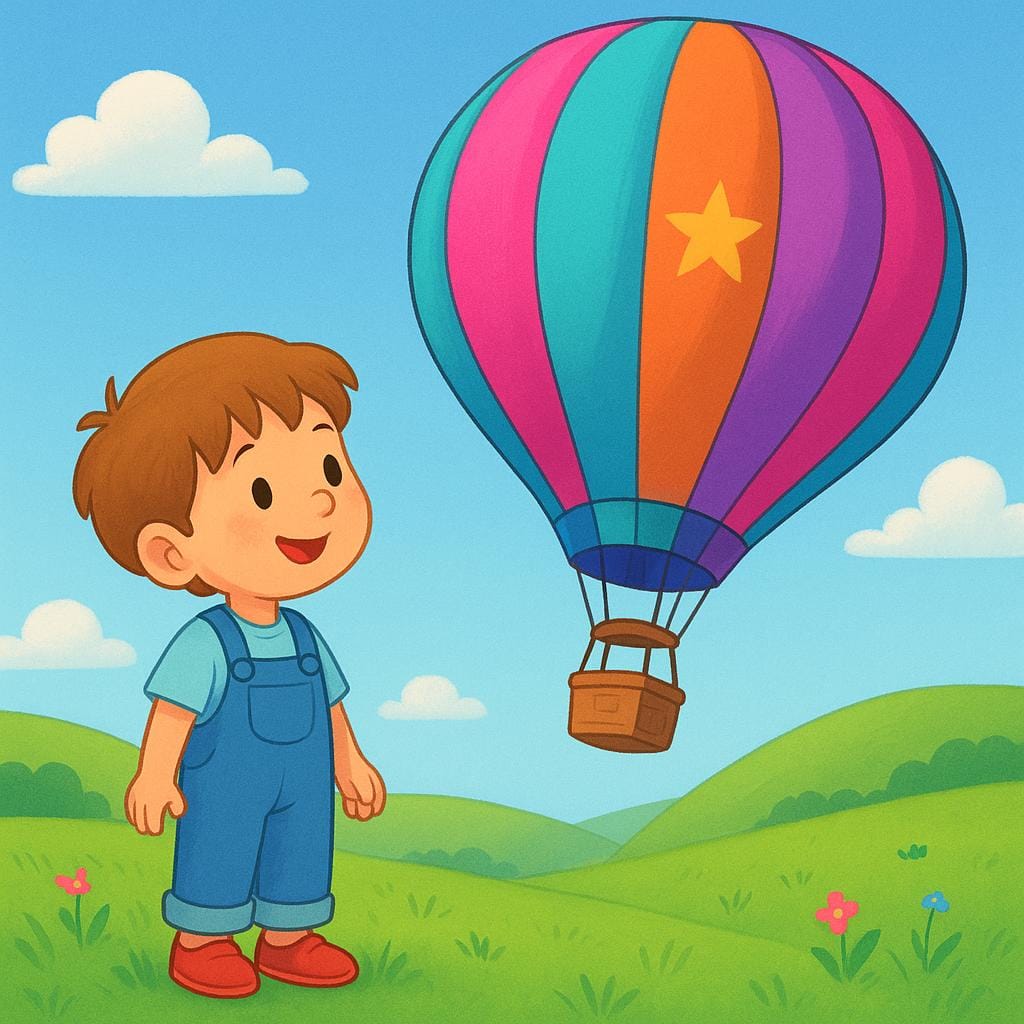
experiencia
ex-peh-RYEN-syaekspeˈɾjensja
Examples
El viaje a Perú fue una experiencia inolvidable.
The trip to Peru was an unforgettable experience.
Perder mi pasaporte fue una muy mala experiencia.
Losing my passport was a very bad experience.
Cuéntame alguna experiencia divertida de tu infancia.
Tell me a fun experience from your childhood.
Aventura vs. Experiencia
Related Translations
Learn Spanish with Inklingo
Interactive stories, personalized learning, and more.