How to Say "expertise" in Spanish
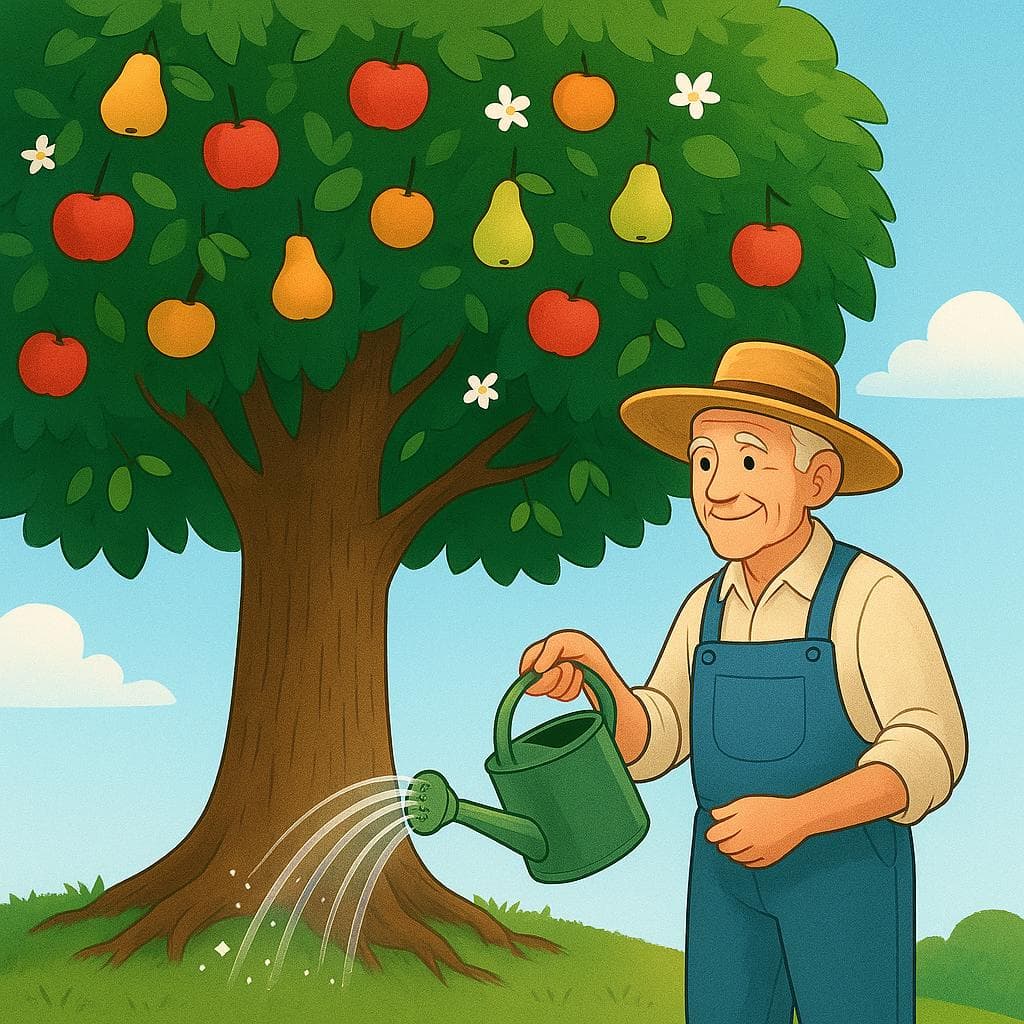
The most common Spanish word for “expertise” is “experiencia” — use 'experiencia' when referring to the deep, practical knowledge gained from doing something over a long period, often for professional requirements.
experiencia
ex-peh-RYEN-syaekspeˈɾjensja
Examples
Para este trabajo, se necesita mucha experiencia.
For this job, a lot of experience is needed.
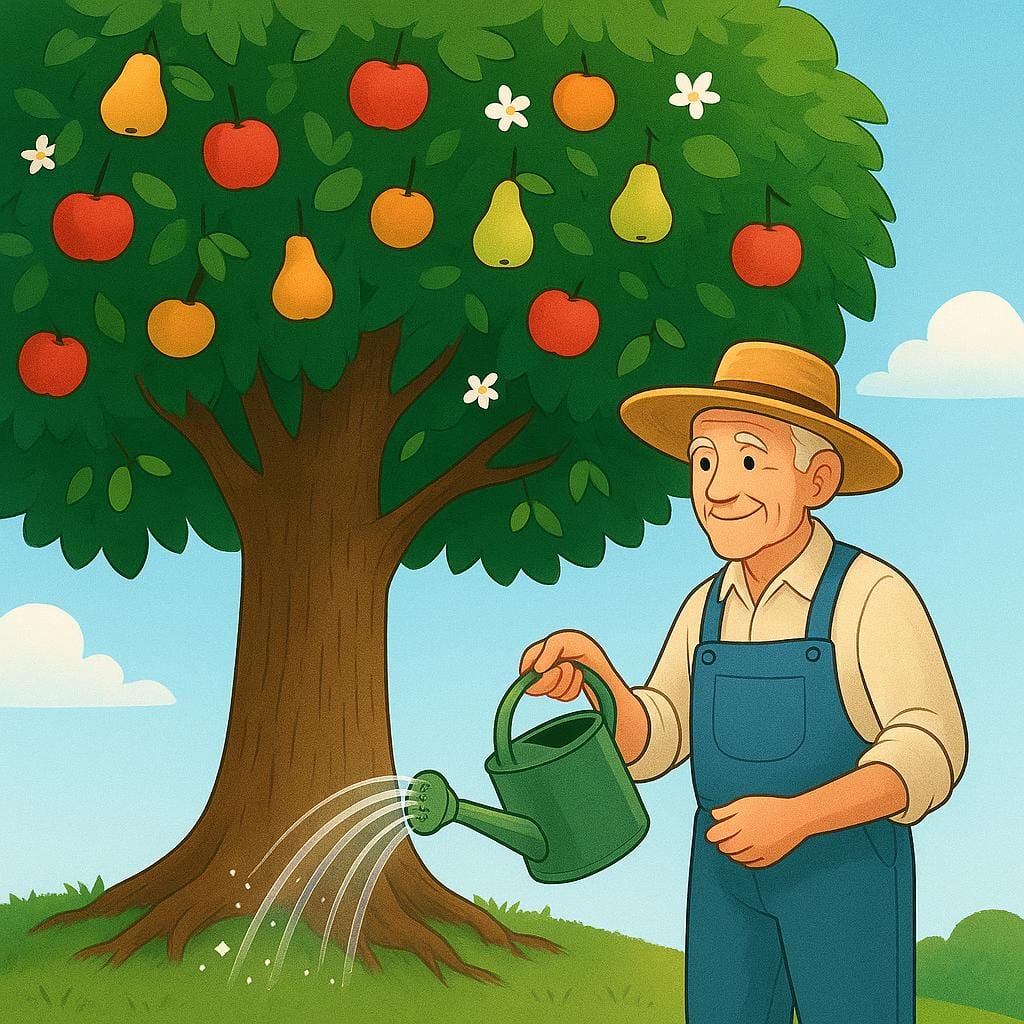
Mi abuela tiene más experiencia de vida que nadie que conozco.
My grandmother has more life experience than anyone I know.
Con la práctica, ganarás la experiencia necesaria.
With practice, you will gain the necessary experience.
A 'Feminine' Word
Even though 'experience' doesn't have a gender in English, 'experiencia' is a feminine word in Spanish. This means any words describing it must also be feminine, like 'una buena experiencia' (a good experience).
Using 'en' vs. 'de'
Mistake: “Tengo experiencia de marketing.”
Correction: Tengo experiencia en marketing. When you're talking about having experience *in* a field, always use the word 'en'.
conocimiento
ko-no-see-MYEN-tohkonoθiˈmjento
Examples
Necesitamos un ingeniero con conocimientos de robótica.
We need an engineer with expertise in robotics.
Puso el plan en marcha sin el conocimiento de su jefe.
He launched the plan without the awareness/knowledge of his boss.
Hicimos un primer conocimiento mutuo en la conferencia.
We made our initial acquaintance at the conference. (Formal use)
Plural for Skills
When talking about professional or technical skills (like programming or finance), Spanish almost always uses the plural: conocimientos.
destreza
des-TREH-sahdesˈtɾeθa
Examples
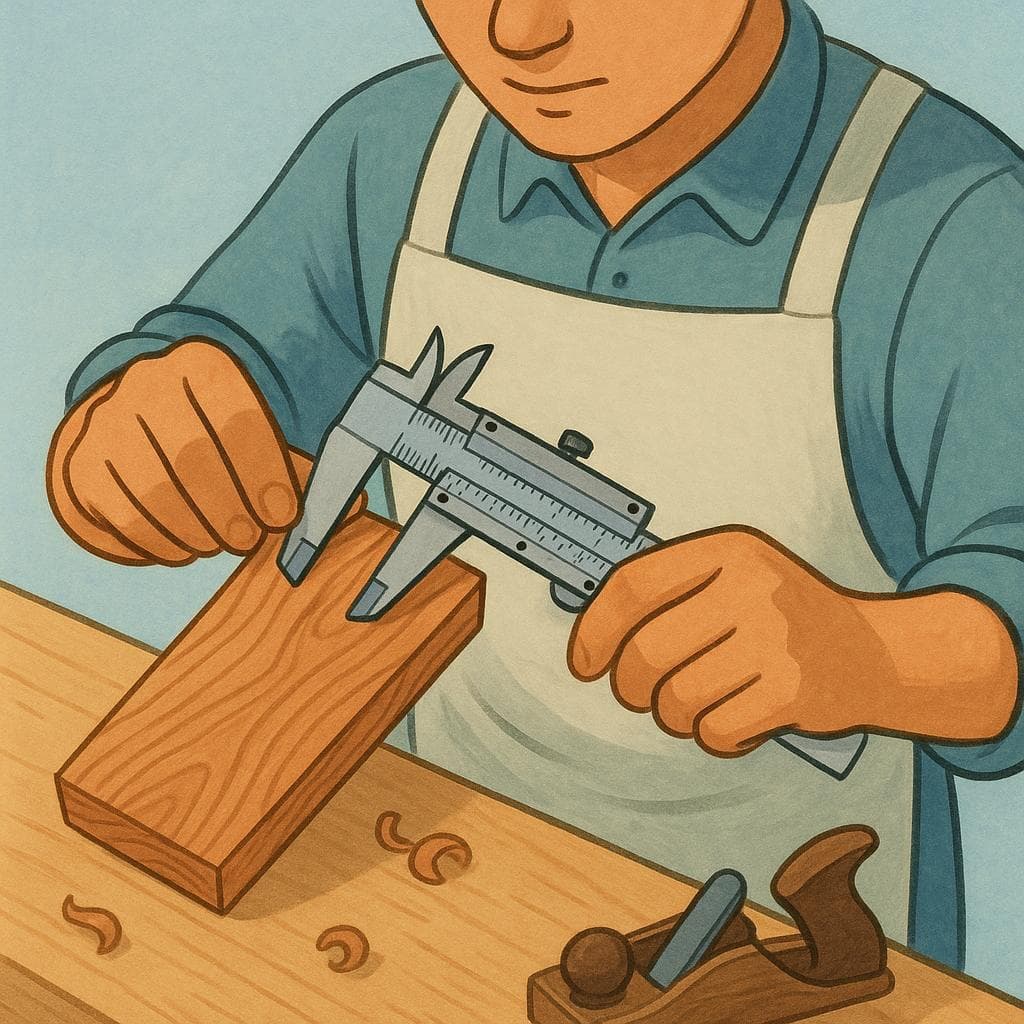
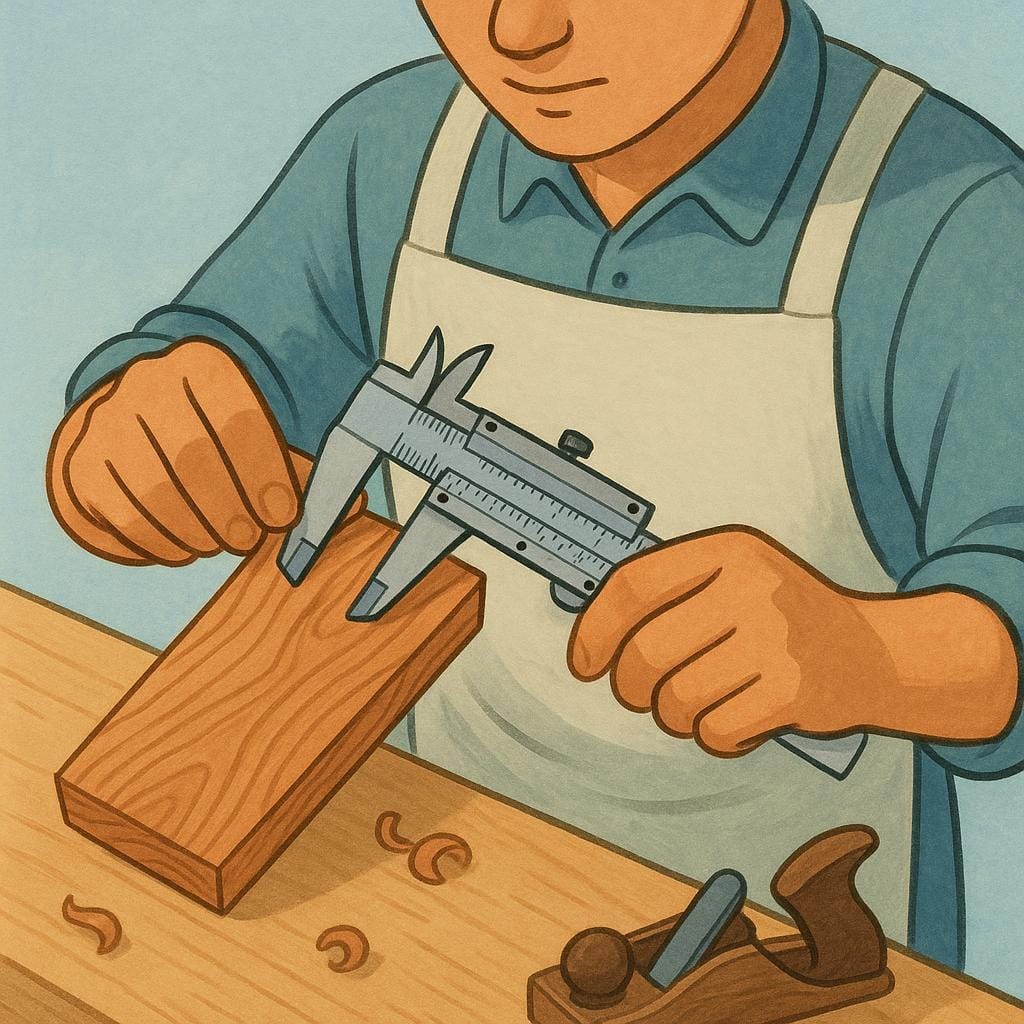
El carpintero maneja las herramientas con gran destreza.
The carpenter handles the tools with great skill.
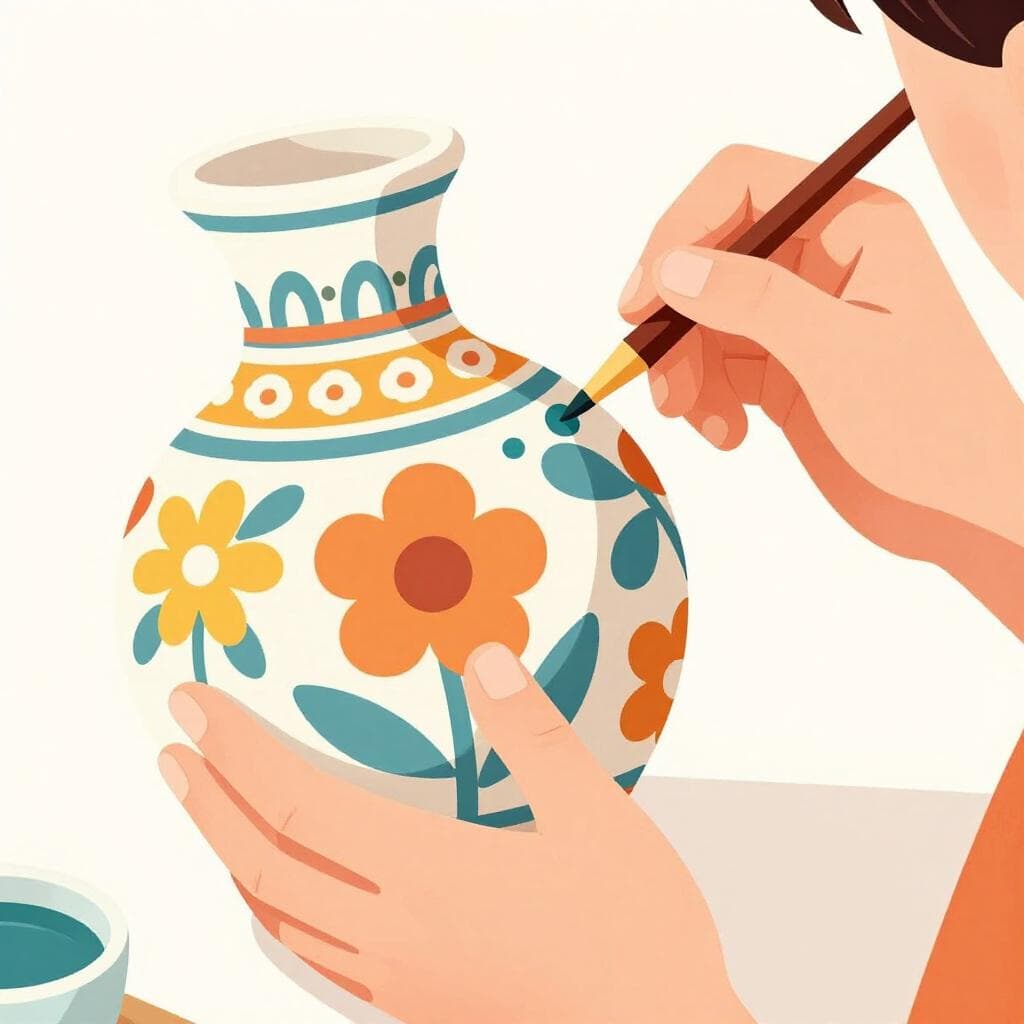
Ella tiene mucha destreza para resolver acertijos matemáticos.
She has a lot of dexterity for solving mathematical puzzles.
Adquirir esta destreza requiere años de práctica constante.
Acquiring this skill requires years of constant practice.
Gender check
Destreza is a feminine noun. Always use 'la' or 'una' and make sure any describing words end in 'a' (e.g., 'mucha destreza').
Connecting to actions
When saying what you are skilled 'at', use the preposition 'para' followed by a noun or a verb in its base form (e.g., 'destreza para el baile' or 'destreza para bailar').
Confusing with 'Derecha'
Mistake: “Tengo mucha derecha en los deportes.”
Correction: Tengo mucha destreza en los deportes. 'Derecha' means the right side/hand, while 'destreza' means the talent or skill itself.
Experiencia vs. Conocimiento
Related Translations
Learn Spanish with Inklingo
Interactive stories, personalized learning, and more.