How to Say "experience" in Spanish
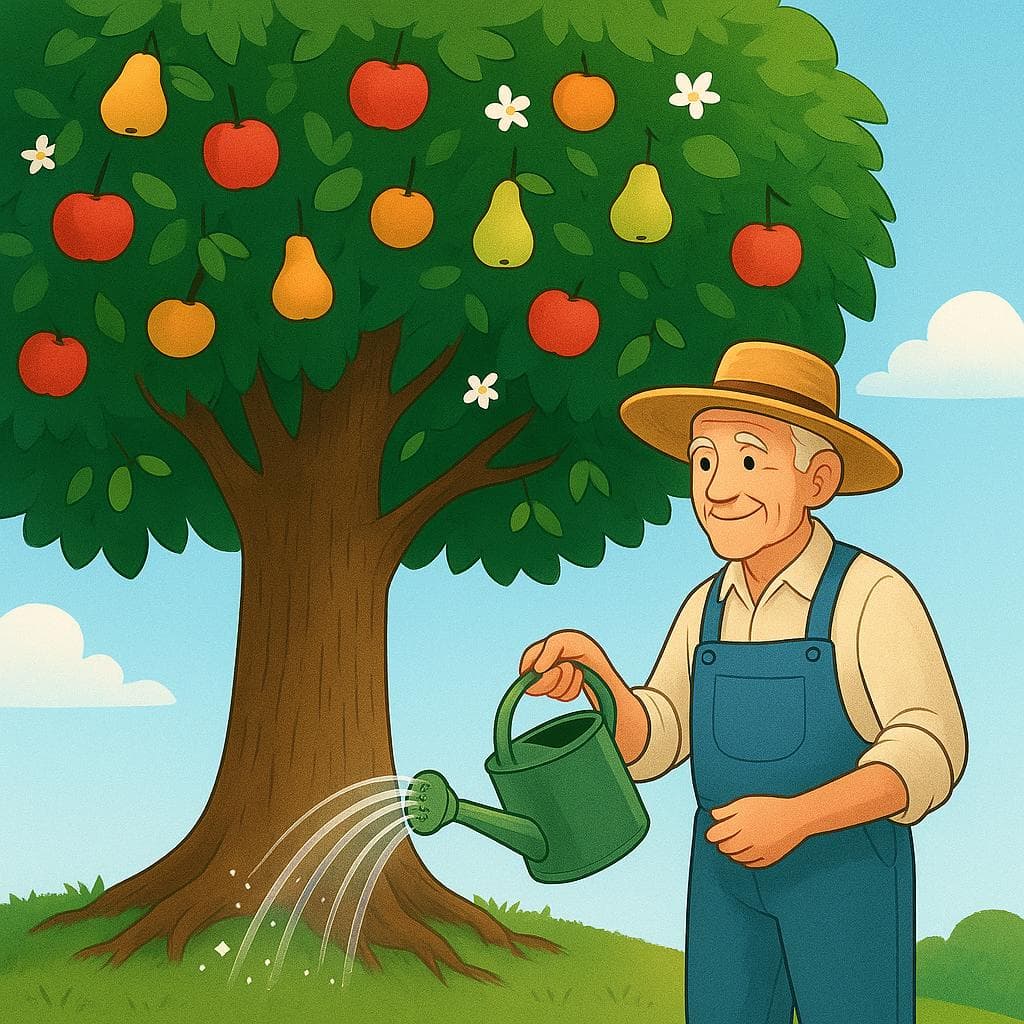
The most common Spanish word for “experience” is “experiencia” — use 'experiencia' to refer to general knowledge or skills acquired over time, or for a particular event or occurrence that happened to you.


experiencia
ex-peh-RYEN-syaekspeˈɾjensja
Examples
Para este trabajo, se necesita mucha experiencia.
For this job, you need a lot of experience.
Mi abuela tiene más experiencia de vida que nadie que conozco.
My grandmother has more life experience than anyone I know.
Con la práctica, ganarás la experiencia necesaria.
With practice, you will gain the necessary experience.
El viaje a Perú fue una experiencia inolvidable.
The trip to Peru was an unforgettable experience.
A 'Feminine' Word
Even though 'experience' doesn't have a gender in English, 'experiencia' is a feminine word in Spanish. This means any words describing it must also be feminine, like 'una buena experiencia' (a good experience).
Using 'en' vs. 'de'
Mistake: “Tengo experiencia de marketing.”
Correction: Tengo experiencia en marketing. When you're talking about having experience *in* a field, always use the word 'en'.
experiencia
ex-peh-RYEN-syaekspeˈɾjensja
Examples
El viaje a Perú fue una experiencia inolvidable.
The trip to Peru was an unforgettable experience.
Para este trabajo, se necesita mucha experiencia.
For this job, you need a lot of experience.
Mi abuela tiene más experiencia de vida que nadie que conozco.
My grandmother has more life experience than anyone I know.
Con la práctica, ganarás la experiencia necesaria.
With practice, you will gain the necessary experience.
A 'Feminine' Word
Even though 'experience' doesn't have a gender in English, 'experiencia' is a feminine word in Spanish. This means any words describing it must also be feminine, like 'una buena experiencia' (a good experience).
Using 'en' vs. 'de'
Mistake: “Tengo experiencia de marketing.”
Correction: Tengo experiencia en marketing. When you're talking about having experience *in* a field, always use the word 'en'.
cancha
KAHN-chahˈkant͡ʃa

Examples
No te preocupes por el examen, ya tengo mucha cancha con esto.
Don't worry about the exam, I already have a lot of experience with this.
Ella tiene mucha cancha para hablar en público.
She has a real knack for public speaking.
Abstract Noun
In this context, 'cancha' is an abstract quality you possess, similar to 'wisdom' or 'luck.'
conozcan
ko-NOS-kankoˈnoθkan

Examples
Quiero que ustedes conozcan a mi mejor amigo.
I want you all to meet my best friend.
Es importante que ellos conozcan las reglas del juego.
It is important that they know the rules of the game.
¡Conozcan la ciudad con nuestro tour gratuito!
Get to know the city with our free tour!
Why the 'Z'?
In Spanish, when verbs like 'conocer' end in -cer, we add a 'z' before the 'a' to keep the soft 's' or 'th' sound. Without it, the word would sound like 'conoc-an' with a hard 'k' sound.
Two Main Uses
Use 'conozcan' when expressing a wish about someone knowing/meeting someone, or when telling a group of people to 'get to know' something.
Conozcan vs. Conocen
Mistake: “Saying 'Quiero que ellos conocen' instead of 'conozcan'.”
Correction: Use 'conozcan' after words like 'quiero que' or 'espero que' because you are talking about a wish, not a guaranteed fact.
rodaje
rro-DA-kheroˈðaxe
Examples
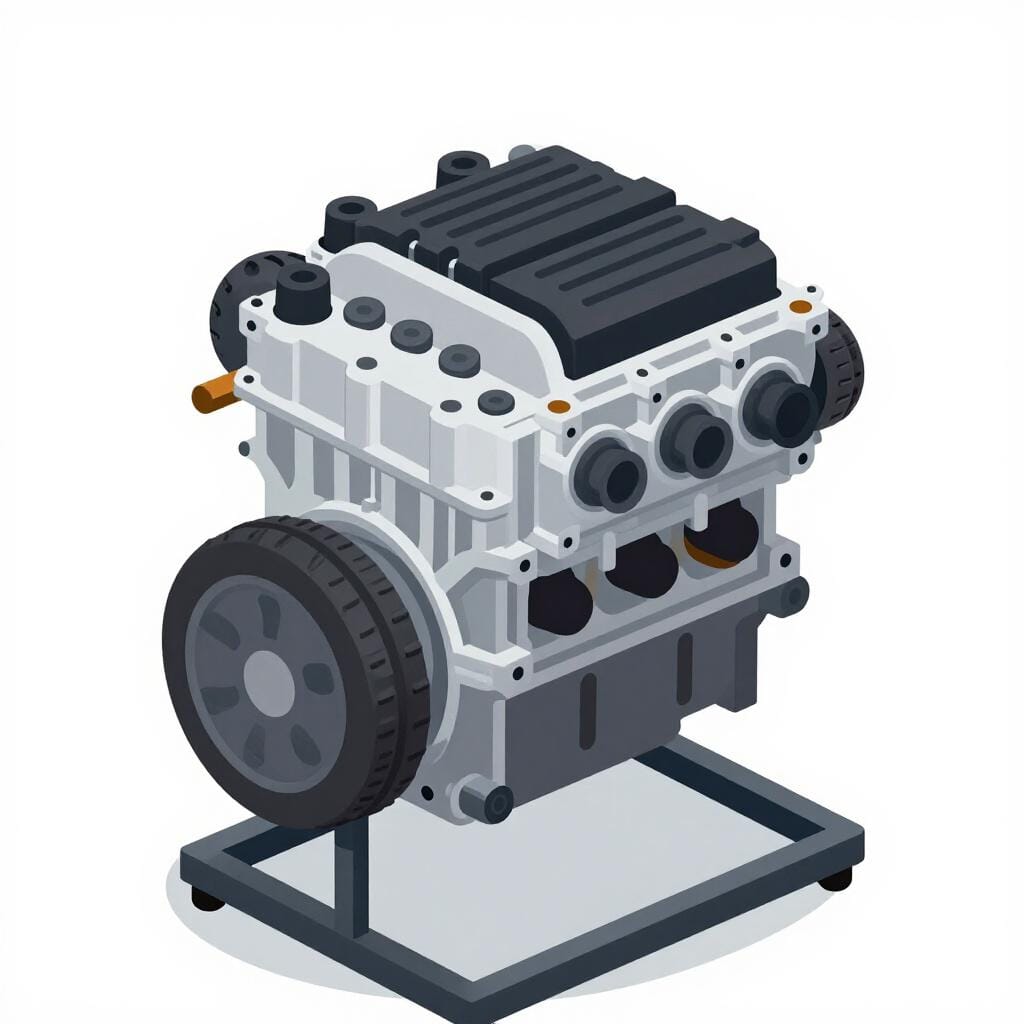
Es importante hacerle un buen rodaje al coche nuevo.
It's important to run in the new car properly.
Llevo poco tiempo en el trabajo, aún me falta rodaje.
I haven't been at the job long; I still need more experience/practice.
Using it Figuratively
You can use this to describe yourself! If you say you 'need rodaje', it means you need to get used to a new situation.
Experiencia vs. Cancha
Related Translations
Learn Spanish with Inklingo
Interactive stories, personalized learning, and more.