How to Say "test" in Spanish
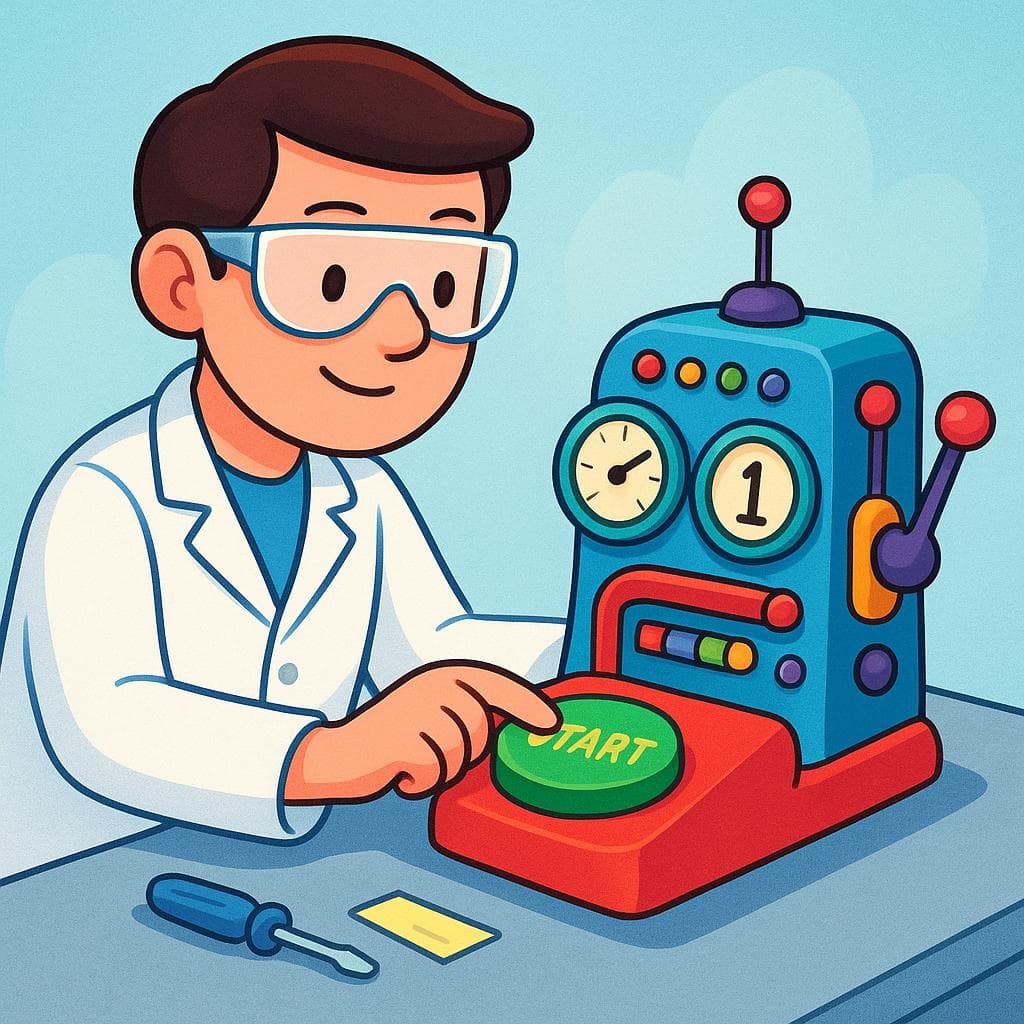
The most common Spanish word for “test” is “examen” — use 'examen' primarily for academic assessments like school exams, quizzes, or formal qualification tests.






examen
ehk-SAH-mehnekˈsa.men

Examples
Tengo un examen de historia mañana y necesito estudiar.
I have a history exam tomorrow and I need to study.
El profesor nos dio los resultados de los exámenes finales.
The professor gave us the results of the final exams.
Hacer un examen oral me pone muy nervioso.
Taking an oral exam makes me very nervous.
Masculine Noun
Even though it ends in '-en', 'examen' is always masculine: 'el examen' (the exam), 'un examen' (an exam).
The Plural Accent Mark
Mistake: “Writing 'examenes' without an accent mark.”
Correction: The plural is 'exámenes' (with an accent on the 'a'). The stress shifts back one syllable in the plural, so the accent mark is required.
prueba
prweh-bahˈpɾweβa

Examples
Tengo una prueba de español el viernes.
I have a Spanish test on Friday.
No hay prueba de que él estuviera allí.
There is no proof that he was there.
El detective busca pruebas para resolver el caso.
The detective is looking for evidence to solve the case.
Making Things 'Proof'
To say something is resistant to something else, like 'waterproof' or 'bulletproof', you can use the pattern 'a prueba de' + noun. For example, 'un reloj a prueba de agua' (a waterproof watch).
Prueba vs. Examen
Mistake: “Using 'prueba' and 'examen' as if they are exactly the same.”
Correction: They are very similar! Often, an 'examen' is a bigger, more formal test (like a final exam), while a 'prueba' can be a smaller test or quiz. But this can change depending on the country or school.
probar
proh-BAHRpɾoˈβaɾ
Examples
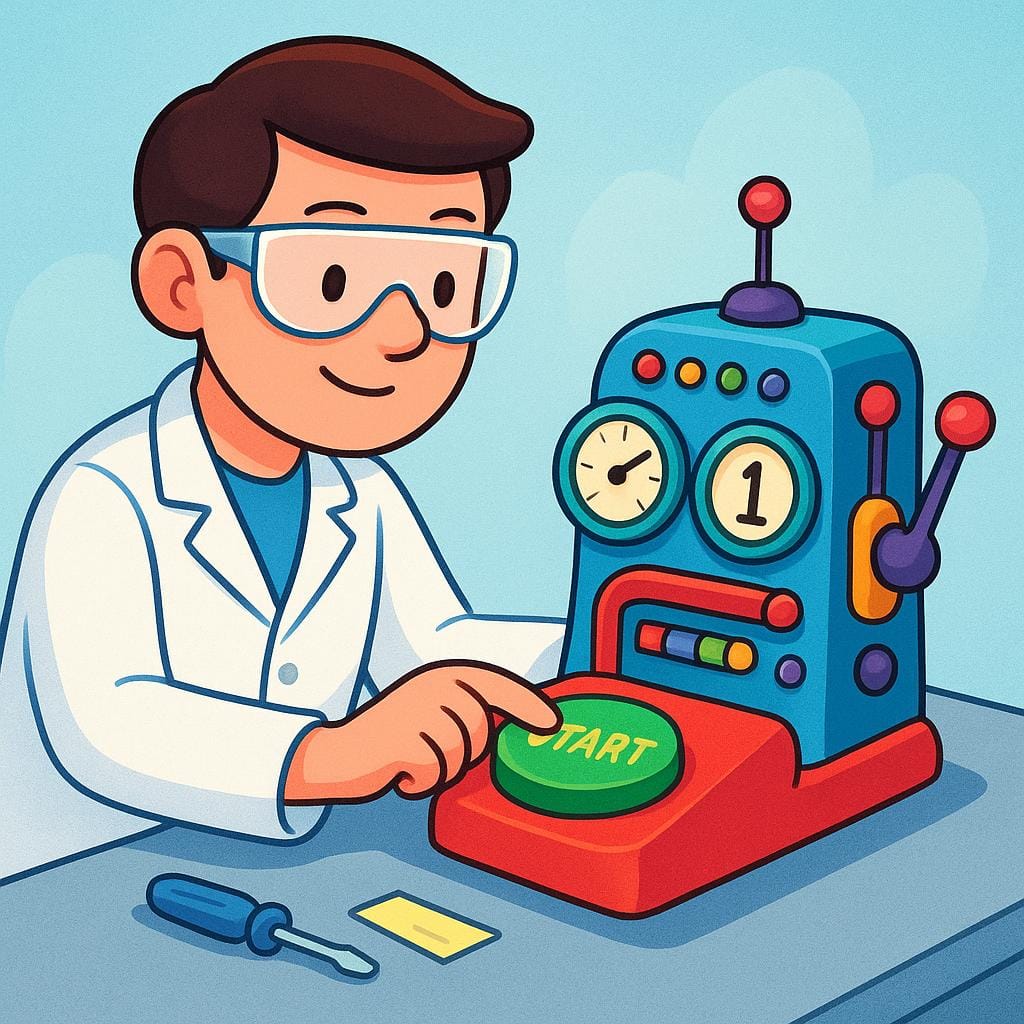
Debemos probar el coche nuevo antes de comprarlo.
We must test the new car before buying it.
El director quiere probar una política diferente.
The director wants to try out a different policy.
Probamos la conexión a internet varias veces.
We tested the internet connection several times.
Probar + Noun
In this meaning, 'probar' is almost always followed directly by the thing being tested (a noun, like 'the computer' or 'the method').
experimento
ex-pe-ri-MEN-toeks.pe.ɾiˈmen.to

Examples
El científico realizó un experimento muy complejo.
The scientist carried out a very complex experiment.
Hicimos un experimento social para ver cómo reaccionaba la gente.
We did a social experiment to see how people reacted.
El experimento falló, pero aprendimos mucho.
The experiment failed, but we learned a lot.
Gender Rule
Since this noun ends in '-o', it is masculine, so you always use 'el' or 'un' before it: 'el experimento'.
Mixing up Noun and Verb
Mistake: “Using 'experimento' when you mean the action of experimenting (the verb).”
Correction: Remember 'experimento' (noun) is the thing you do, while 'experimentar' is the action.
desafío
Examples
El cambio climático es el mayor desafío que enfrenta nuestro planeta.
Climate change is the greatest challenge facing our planet.
ensayo
en-SIGH-yoenˈsaʝo

Examples
Tuvimos el último ensayo de la obra anoche.
We had the final rehearsal for the play last night.
Los científicos están haciendo un ensayo clínico con el nuevo medicamento.
The scientists are running a clinical trial with the new medication.
El equipo de fútbol tiene un ensayo a las cinco para practicar los penaltis.
The soccer team has a practice at five to practice the penalties.
Common Verb Partner
You will most often see 'ensayo' used with the verb 'hacer' (to do/make) when referring to a practice run: 'hacer un ensayo' means 'to run a trial' or 'to hold a rehearsal'.
test
testtest

Examples
El test de matemáticas fue muy difícil.
The math test was very difficult.
Antes de contratarlo, tiene que hacer un test psicológico.
Before hiring him, he has to take a psychological test.
Necesitas un test de antígenos negativo para entrar al país.
You need a negative antigen test to enter the country.
Gender Rule
Even though 'test' ends in a consonant, it is always a masculine noun, so you must use 'el test' or 'un test'.
Plural Form
Mistake: “Using 'los tests' or 'los testes'.”
Correction: Because 'test' is an imported word, many speakers simply use 'los test' (leaving the word unchanged) when referring to multiple tests. 'Los tests' is also sometimes used.
análisis
Examples
El doctor pidió un análisis de sangre urgente.
The doctor ordered an urgent blood test.
experiencia
ex-peh-RYEN-syaekspeˈɾjensja

Examples
La experiencia demostró que la teoría era correcta.
The experiment showed that the theory was correct.
Realizamos una experiencia en el laboratorio para observar la reacción química.
We carried out an experiment in the lab to observe the chemical reaction.
Examen vs. Prueba
Related Translations
Learn Spanish with Inklingo
Interactive stories, personalized learning, and more.