How to Say "paper" in Spanish
The most common Spanish word for “paper” is “papel” — use 'papel' when referring to the physical material used for writing, drawing, printing, or wrapping.


papel
pa-PELpaˈpel
Examples
Necesito una hoja de papel para dibujar.
I need a sheet of paper to draw.
Este regalo está envuelto en un papel muy bonito.
This gift is wrapped in very pretty paper.
La impresora se quedó sin papel.
The printer ran out of paper.
Always Masculine: 'el papel'
Even though 'papel' ends in -l, it's a masculine word. Always say 'el papel' (the paper) or 'un papel' (a paper).
documento
do-ku-MEN-todo.kuˈmen.to

Examples
Necesito firmar este documento antes de irme.
I need to sign this document before I leave.
¿Tienes tu documento de identidad a mano?
Do you have your ID (identity document) handy?
El abogado revisó todos los documentos legales del caso.
The lawyer reviewed all the legal documents for the case.
Gender Rule
Even though 'documento' ends in '-o', which usually means it's masculine, remember that the word for 'paper' is also masculine: 'el papel'.
Confusing Paper Types
Mistake: “Using 'papel' when you mean a formal record.”
Correction: Use 'documento' for official records (like a contract or a passport). Use 'papel' for the material itself (like toilet paper or writing paper).
periódico
Examples
Compré el periódico para leer las noticias de hoy.
I bought the newspaper to read today's news.
trabajo
tra-BA-hotɾaˈβaxo

Examples
Tengo mucho trabajo esta semana.
I have a lot of work this week.
Mi hermano encontró un nuevo trabajo.
My brother found a new job.
El trabajo de historia es para el viernes.
The history paper is due on Friday.
It's a Masculine Noun
'Trabajo' is a 'masculine' word, which just means you'll always use 'el' (the) or 'un' (a/an) with it. For example, 'el trabajo' or 'un trabajo difícil'.
Confusing 'trabajo' and 'viaje'
Mistake: “Sometimes learners mix up 'trabajo' (work) and 'viaje' (travel) because they sound a little similar.”
Correction: Remember: 'trabajo' has a 'b' like 'business', and 'viaje' has a 'v' like 'voyage'.
artículo
Examples
El periodista escribió un artículo sobre el cambio climático.
The journalist wrote an article about climate change.
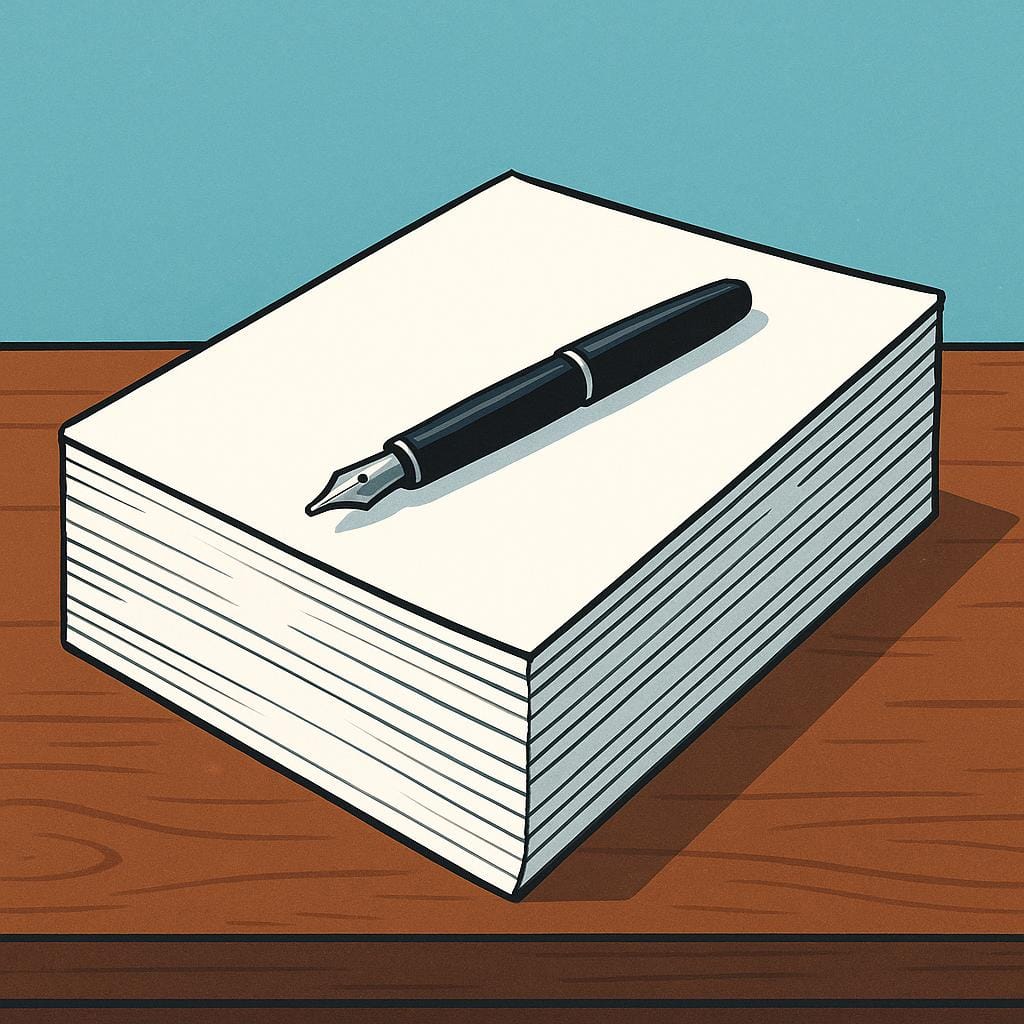
ensayo
en-SIGH-yoenˈsaʝo
Examples
Mi profesor de historia nos pidió escribir un ensayo sobre la Revolución Francesa.
My history professor asked us to write an essay about the French Revolution.
El ensayo de ese autor es muy influyente en la filosofía moderna.
That author's essay is very influential in modern philosophy.
Masculine Noun Rule
Even though 'ensayo' ends in 'o', which usually means it's masculine, remember that all nouns referring to written pieces of this type are masculine, so you must use 'el' or 'un' before it.
Confusing with 'Test'
Mistake: “Using 'ensayo' when you mean a short quiz or school test ('examen' or 'prueba').”
Correction: Use 'ensayo' only for the long-form written work or the 'rehearsal' meaning. For a quick school test, use 'examen' or 'prueba'.
investigación
Examples
El científico publicó su investigación en una revista famosa.
The scientist published his study/report in a famous journal.
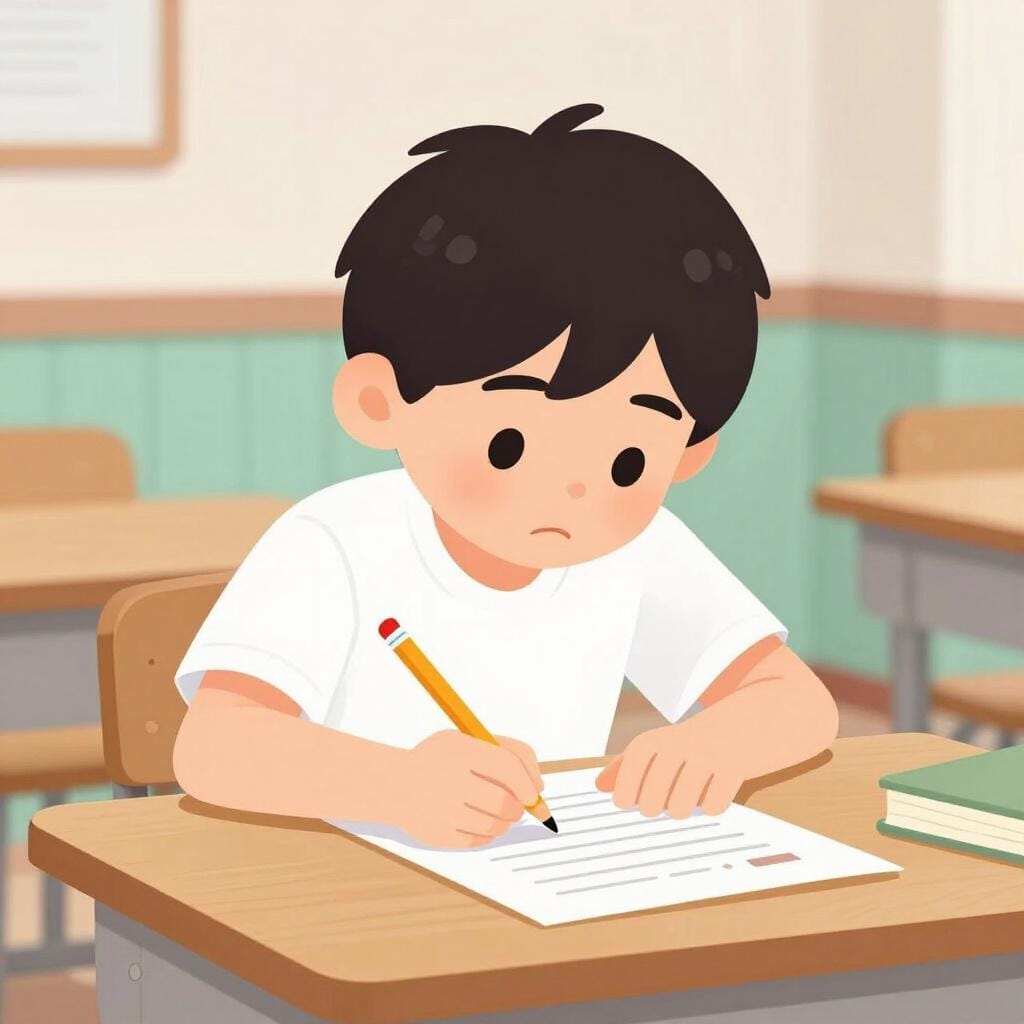
examen
ehk-SAH-mehnekˈsa.men
Examples
Tengo un examen de historia mañana y necesito estudiar.
I have a history exam tomorrow and I need to study.
El profesor nos dio los resultados de los exámenes finales.
The professor gave us the results of the final exams.
Hacer un examen oral me pone muy nervioso.
Taking an oral exam makes me very nervous.
Masculine Noun
Even though it ends in '-en', 'examen' is always masculine: 'el examen' (the exam), 'un examen' (an exam).
The Plural Accent Mark
Mistake: “Writing 'examenes' without an accent mark.”
Correction: The plural is 'exámenes' (with an accent on the 'a'). The stress shifts back one syllable in the plural, so the accent mark is required.
Paper vs. Document vs. Article
Learn Spanish with Inklingo
Interactive stories, personalized learning, and more.