vaca
“vaca” means “cow” in Spanish. It has 2 different meanings depending on context:
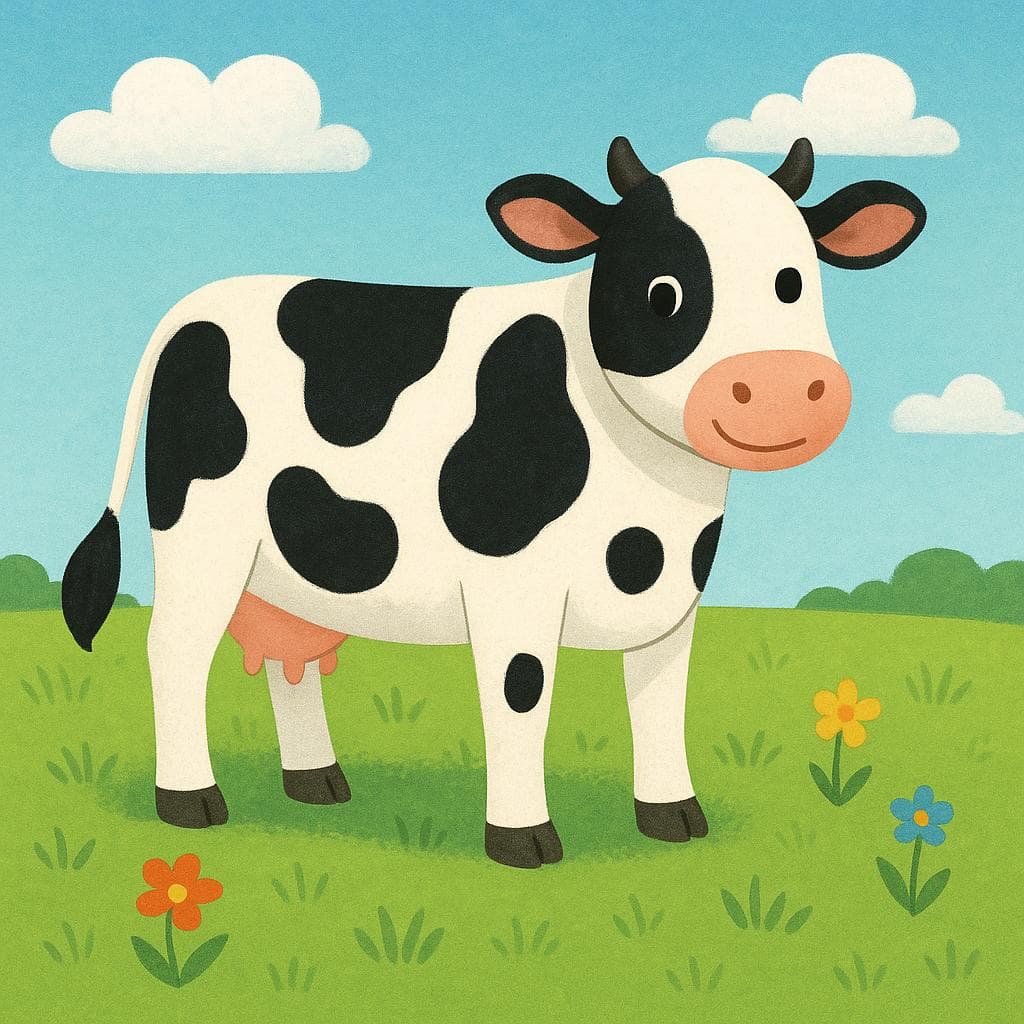

cow
Also: beef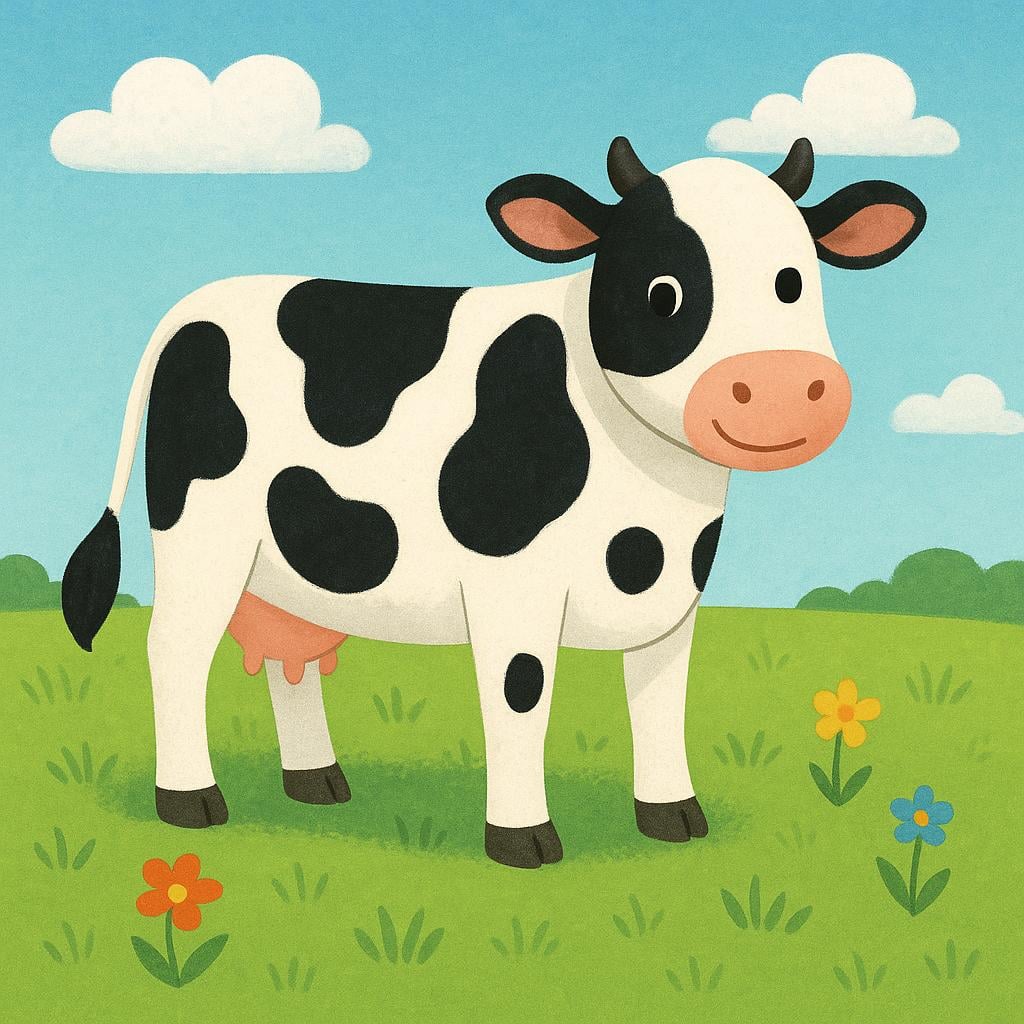
📝 In Action
La vaca da leche fresca todas las mañanas.
A1The cow gives fresh milk every morning.
En la granja vimos un toro y muchas vacas pastando.
A2On the farm, we saw a bull and many cows grazing.
collection, kitty
Also: pot
📝 In Action
Vamos a hacer una vaca para comprarle un regalo a Carlos.
B2We are going to start a collection (a kitty) to buy Carlos a gift.
Si todos ponemos diez euros, completamos la vaca para la cena.
C1If we all put in ten euros, we complete the pot for dinner.
Vocabulary Collections
Translate to Spanish
🗣️ Practice in a Tongue Twister
✏️ Quick Practice
Quick Quiz: vaca
Question 1 of 2
Which of these sentences uses 'vaca' in its informal meaning?
📚 More Resources
👥 Word Family▼
🎵 Rhymes▼
📚 Etymology▼
The word comes directly from the Latin word *vacca*, which also meant 'cow'. It has been a core word in Spanish since the language began.
First recorded: Pre-10th century (in early Romance languages)
Cognates (Related words)
💡 Master Spanish
Take your Spanish to the next level. Read 200+ illustrated and narrated Spanish stories tailored to your level with the Inklingo app!
Frequently Asked Questions
How do I refer to the meat we eat?
While you can say 'carne de vaca,' it is much more common and neutral to say 'carne de res' (literally 'meat of cattle') when ordering or talking about beef.
If 'vaca' is a female cow, what is the word for a male cow?
The male cow (bull) is called 'toro'. If you are talking about cattle generally without specifying gender, you might use 'ganado' (livestock).