toro
“toro” means “bull” in Spanish. It has 3 different meanings depending on context:
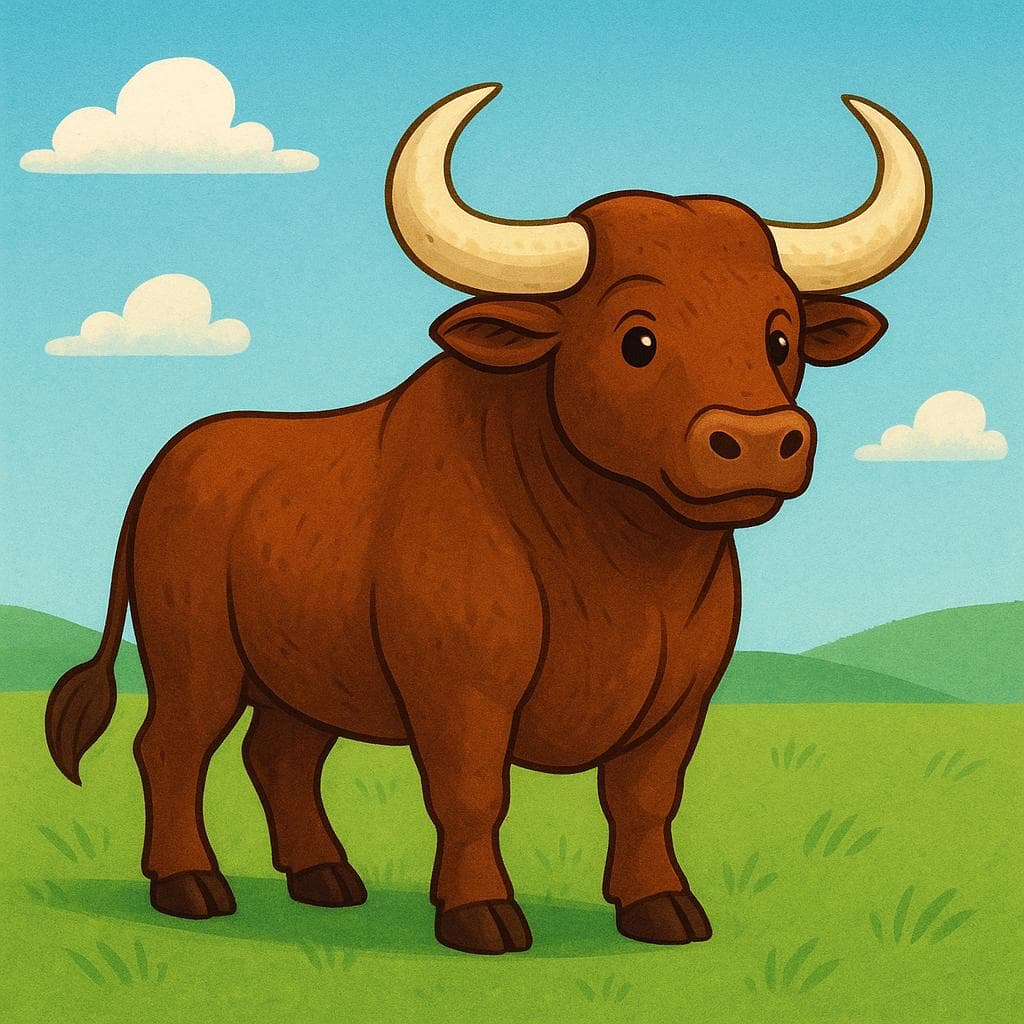

bull
Also: ox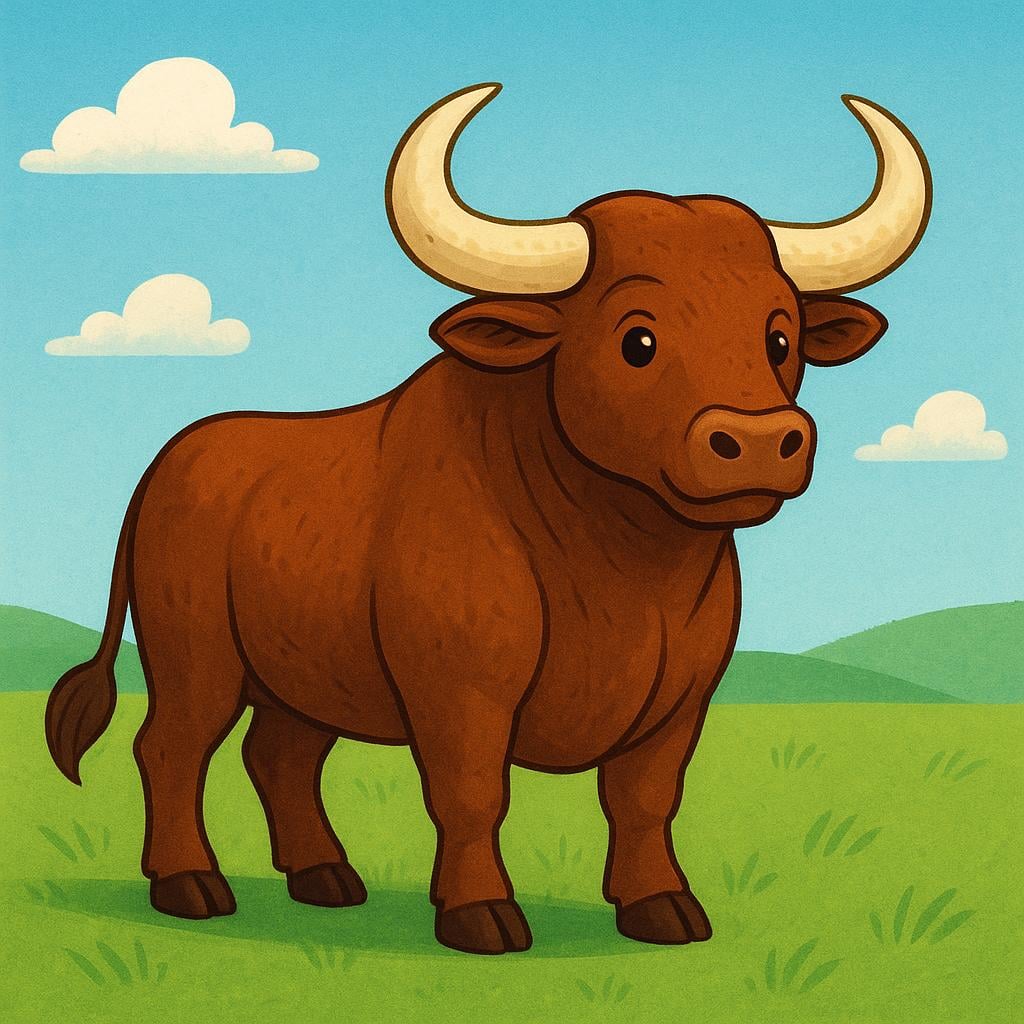
📝 In Action
El granjero tiene un toro muy fuerte en su campo.
A1The farmer has a very strong bull in his field.
Vimos un toro pastando cerca del río.
A2We saw a bull grazing near the river.
El toro es el macho de la vaca.
A1The bull is the male of the cow.
bullfight
Also: bullfighting
📝 In Action
Iremos a la plaza de toros este domingo.
B1We will go to the bullring this Sunday.
El toro es una tradición muy antigua en esa región.
B2The bullfight (or bullfighting) is a very old tradition in that region.
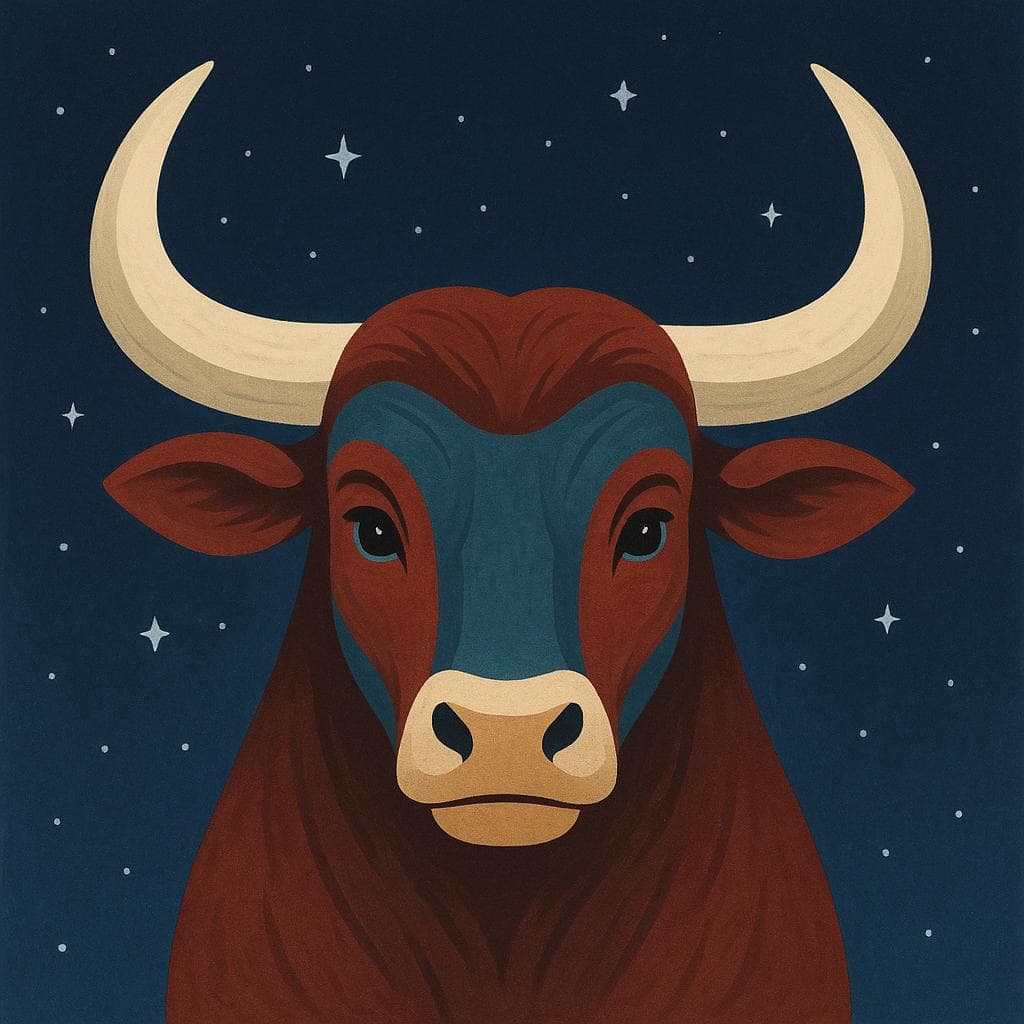
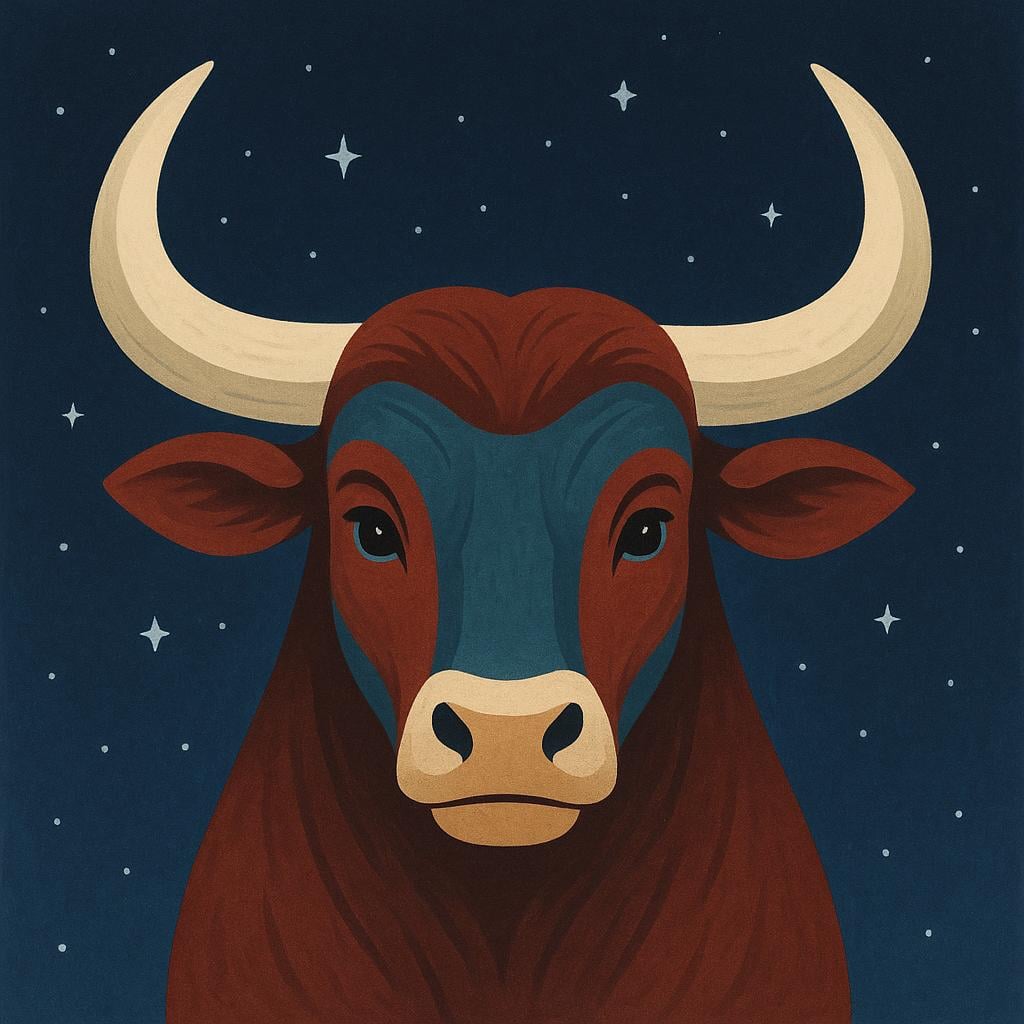
Taurus
📝 In Action
Mi signo del zodíaco es Tauro, o 'el Toro'.
B2My zodiac sign is Taurus, or 'the Bull'.
Las personas nacidas bajo el signo de Toro son conocidas por ser tercas.
C1People born under the sign of Taurus are known for being stubborn.
Vocabulary Collections
Translate to Spanish
✏️ Quick Practice
Quick Quiz: toro
Question 1 of 1
Which sentence uses 'toro' to refer to a cultural spectacle rather than an animal?
📚 More Resources
👥 Word Family▼
📚 Etymology▼
The word comes directly from the Latin word *taurus*, which also meant 'bull' or 'ox'. This Latin root is shared across many European languages, including English ('Taurus').
First recorded: 13th century (in Spanish)
Cognates (Related words)
💡 Master Spanish
Take your Spanish to the next level. Read 200+ illustrated and narrated Spanish stories tailored to your level with the Inklingo app!
Frequently Asked Questions
Is 'toro' always masculine?
Yes, 'toro' is always a masculine noun. It refers specifically to the male bovine animal. The female is called 'vaca' (cow).
How is 'toro' related to the word for bullfighting?
The word 'toro' often acts as a stand-in for the entire cultural event ('corrida de toros'), especially in phrases like 'plaza de toros' (bullring), because the bull is the central element of the spectacle.