torero
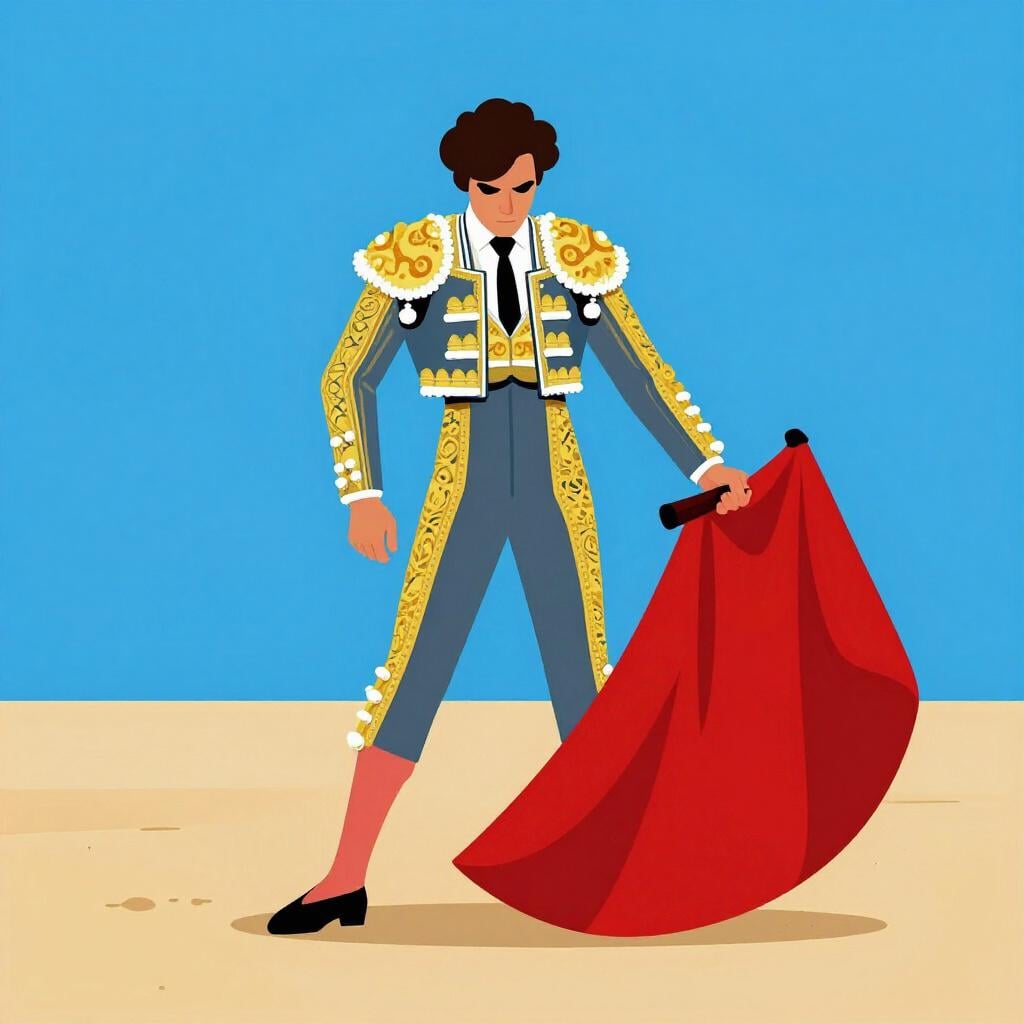
“torero” means “bullfighter” in Spanish. It has 2 different meanings depending on context:
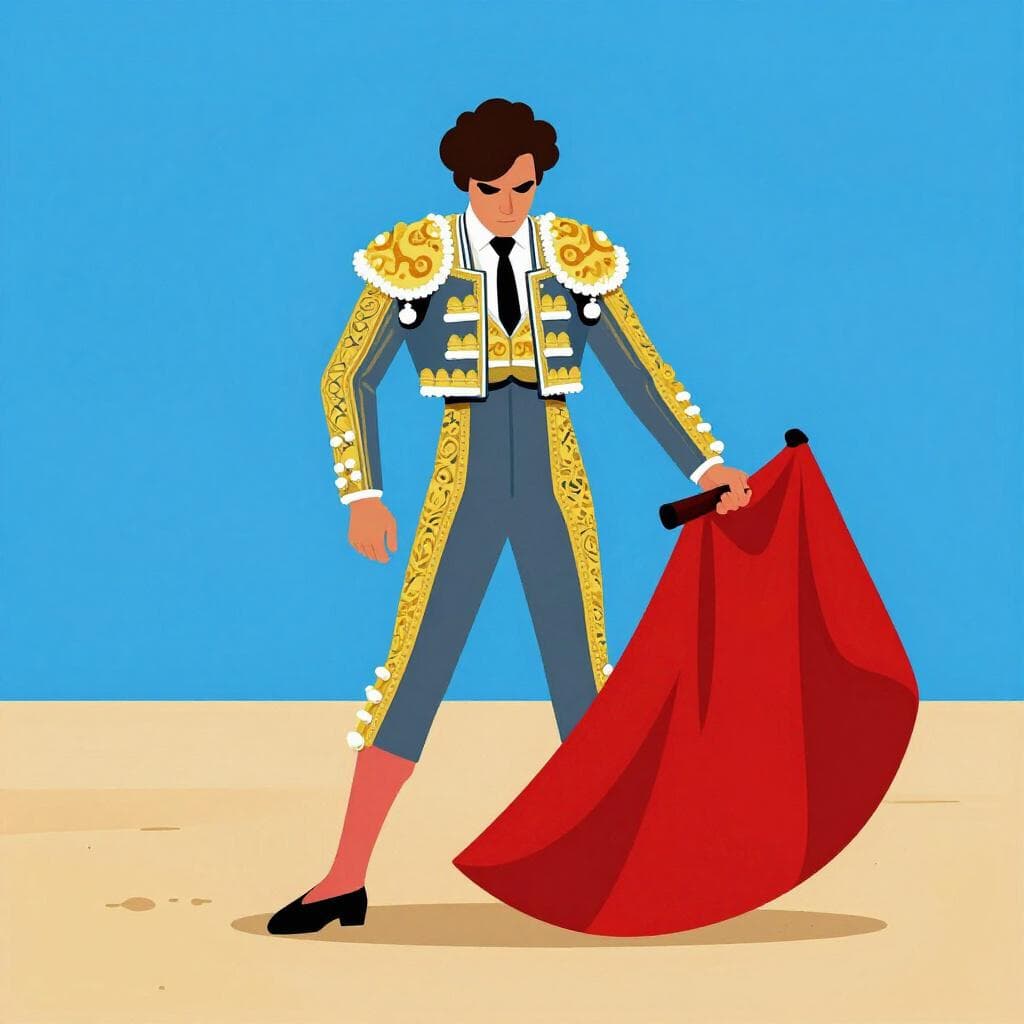

bullfighterAlso: matador
📝 In Action
El torero lleva un traje de luces muy brillante.
A1The bullfighter wears a very shiny 'suit of lights'.
Mi abuelo era un gran admirador de los famosos toreros de su época.
B1My grandfather was a great admirer of the famous bullfighters of his time.
Para ser torero, se necesita muchísima disciplina y valor.
B2To be a bullfighter, you need a lot of discipline and courage.
Word Connections
bullfighting-styleAlso: brave and elegant

📝 In Action
Hizo un gesto muy torero para despedirse del público.
B2He made a very bullfighter-like gesture to say goodbye to the audience.
Ese restaurante tiene un ambiente muy torero.
B1That restaurant has a very bullfighting-themed atmosphere.
Caminaba con un aire torero, lleno de confianza.
C1He walked with a bullfighter's air, full of confidence.
Word Connections
Translate to Spanish
Words that translate to "torero" in Spanish:
✏️ Quick Practice
Quick Quiz: torero
Question 1 of 3
How do you say 'He is a bullfighter' correctly in Spanish?
📚 More Resources
👥 Word Family
📚 Etymology
Derived from the Spanish word 'toro' (bull), which comes from the Latin 'taurus'. It literally means 'someone who deals with bulls'.
First recorded: 13th century
Cognates (Related words)
💡 Master Spanish
Take your Spanish to the next level. Read 200+ illustrated and narrated Spanish stories tailored to your level with the Inklingo app!
Frequently Asked Questions
Is a 'matador' different from a 'torero'?
Yes, slightly. 'Torero' is a general term for anyone in the ring (including assistants), while 'matador' is specifically the star who leads the team and finishes the fight.
Can women be toreros?
Yes, though it is less common. A female bullfighter is called a 'torera'.
Is the word 'torero' used outside of Spain?
Yes, it is used in any Spanish-speaking country that has a bullfighting tradition, such as Mexico, Colombia, Peru, and Ecuador.