How to Say "matador" in Spanish
The most common Spanish word for “matador” is “torero” — use 'torero' as the general and most common term for a bullfighter, especially when referring to the main performer in a bullfight.
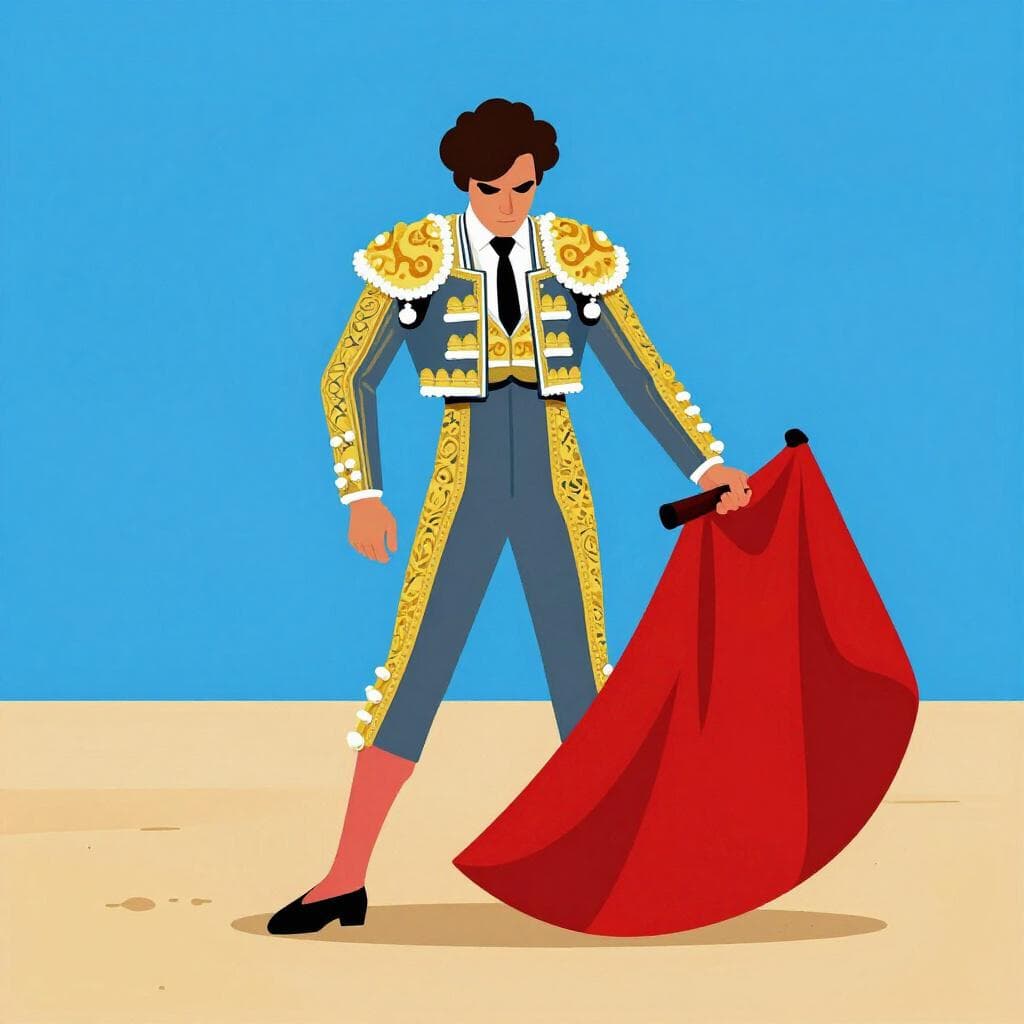
Use 'torero' as the general and most common term for a bullfighter, especially when referring to the main performer in a bullfight.
Learn more →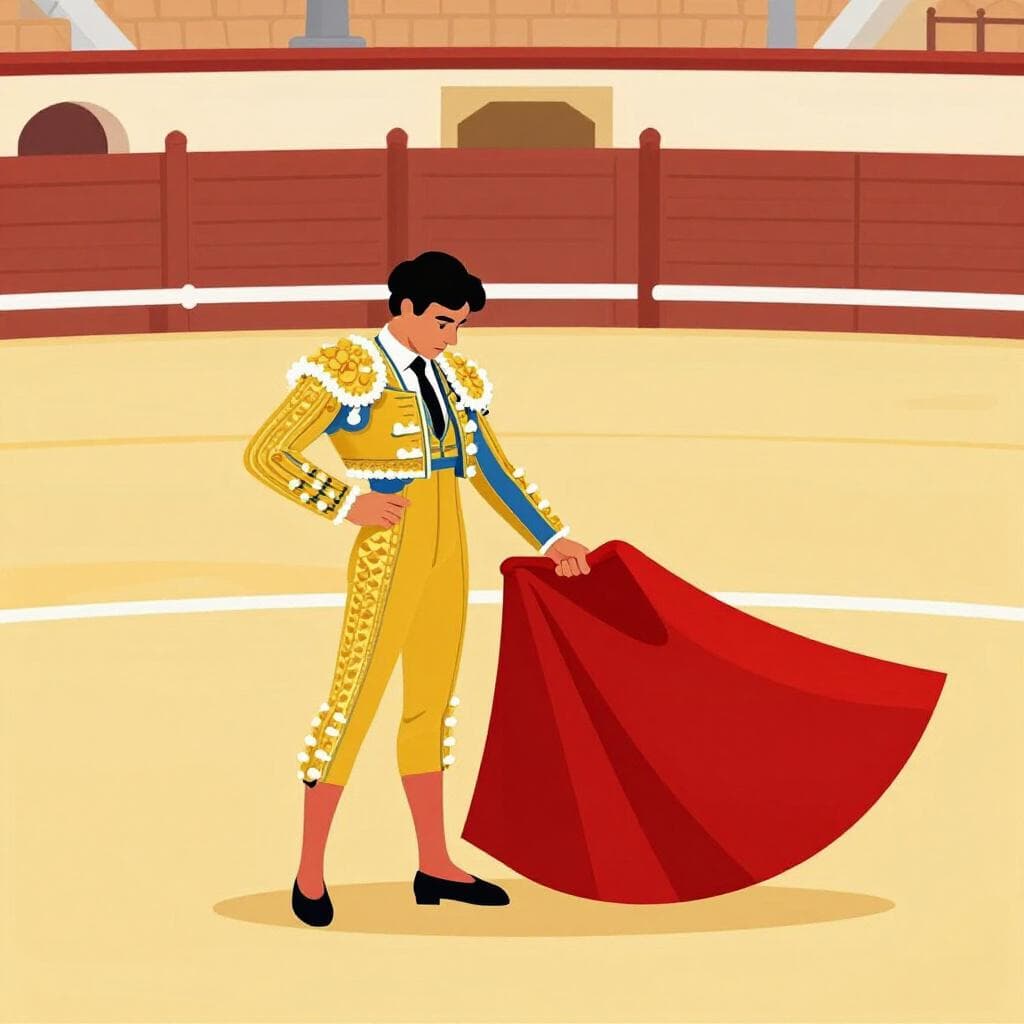
Use 'diestro' when you want to emphasize the skill, artistry, or professional status of a bullfighter, often implying they are an expert.
Learn more →toh-REH-rohtoˈɾeɾo

Examples
El torero lleva un traje de luces muy brillante.
The bullfighter wears a very shiny 'suit of lights'.
Mi abuelo era un gran admirador de los famosos toreros de su época.
My grandfather was a great admirer of the famous bullfighters of his time.
Para ser torero, se necesita muchísima disciplina y valor.
To be a bullfighter, you need a lot of discipline and courage.
Don't use 'un' with jobs
When saying someone is a bullfighter, just say 'Él es torero.' In Spanish, we don't use 'a' or 'an' before professions unless we are adding an extra description like 'He is a famous bullfighter.'
Gender matching
While 'torero' is masculine, if you are talking about a woman in this profession, the word changes to 'torera.'
The 'un' trap
Mistake: “Él es un torero.”
Correction: Él es torero. (Only use 'un' if you add an adjective, like 'Él es un torero famoso').
dee-ESS-trohˈdjestɾo

Examples
El diestro recibió una ovación del público.
The bullfighter received a standing ovation from the crowd.
Es el diestro más famoso de esta temporada.
He is the most famous bullfighter of this season.
General vs. Skilled Bullfighter
Learners often use 'diestro' when 'torero' would be more appropriate. Remember that 'torero' is the everyday term for any bullfighter, while 'diestro' specifically highlights their expertise and skill.
Related Translations
Learn Spanish with Inklingo
Interactive stories, personalized learning, and more.