How to Say "beef" in Spanish
The most common Spanish word for “beef” is “ternera” — use 'ternera' when referring to beef as a food item, especially when ordering steak or cuts of meat from a young cow in a culinary setting.
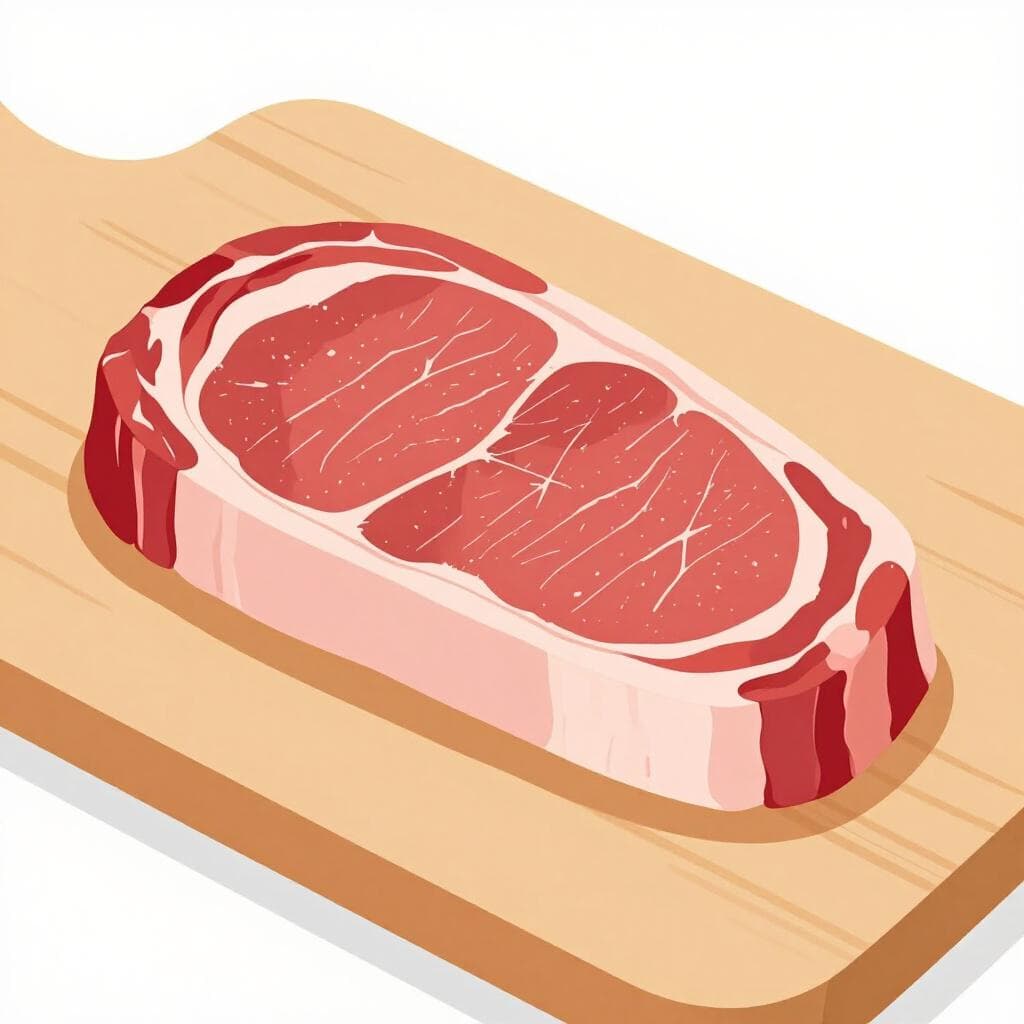
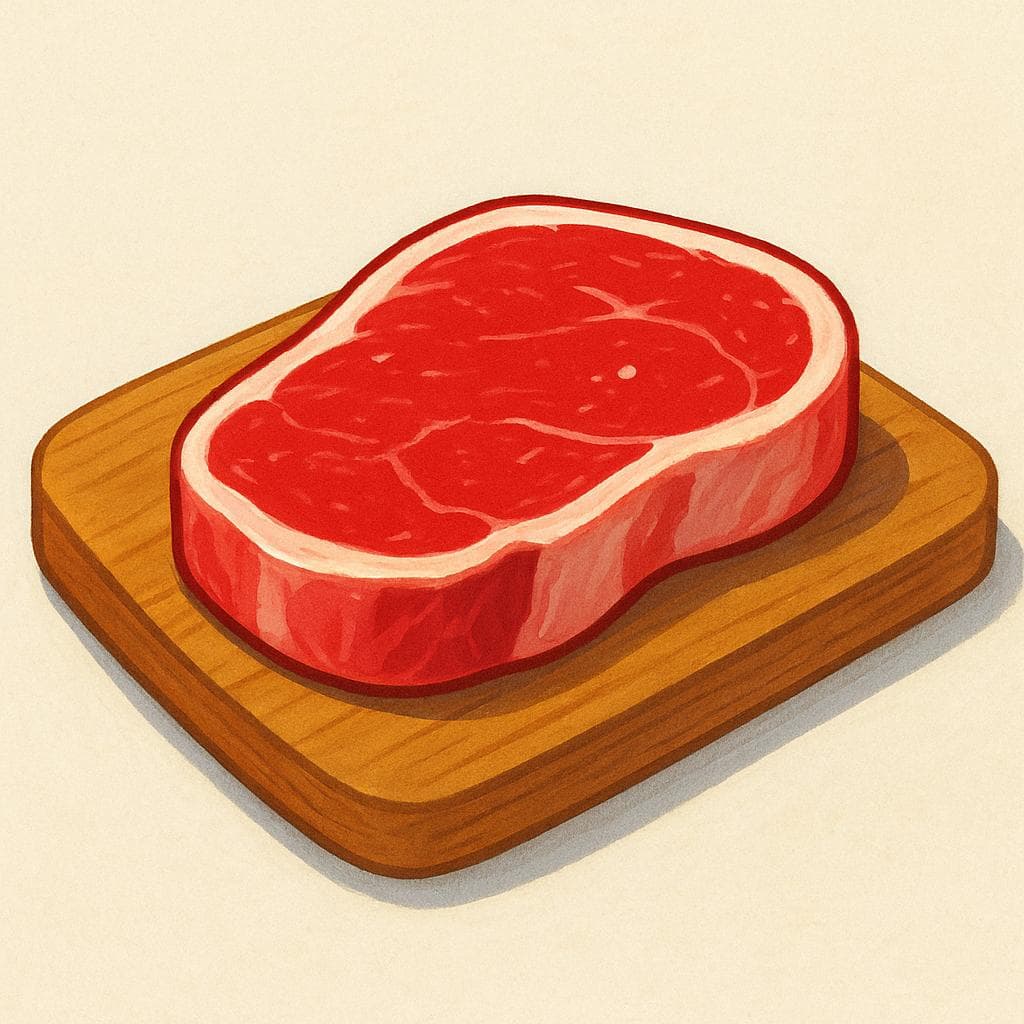

ternera
ter-NEH-rahterˈneɾa

Examples
Quisiera un filete de ternera, por favor.
I would like a beef steak, please.
La ternera asada es mi plato favorito.
Roast beef is my favorite dish.
Mezclamos carne de ternera y cerdo para las hamburguesas.
We mix beef and pork for the hamburgers.
Describing meat types
In Spanish, we usually put the word for the animal after 'carne de' (meat of). So, 'beef' is literally 'meat of young cow' (carne de ternera).
Don't confuse with 'vaca'
Mistake: “Ordering 'filete de vaca' in a standard restaurant.”
Correction: Ask for 'filete de ternera'. While 'vaca' is the animal, 'ternera' is the standard culinary term for high-quality beef on menus.
carne
KAR-nehˈkaɾne
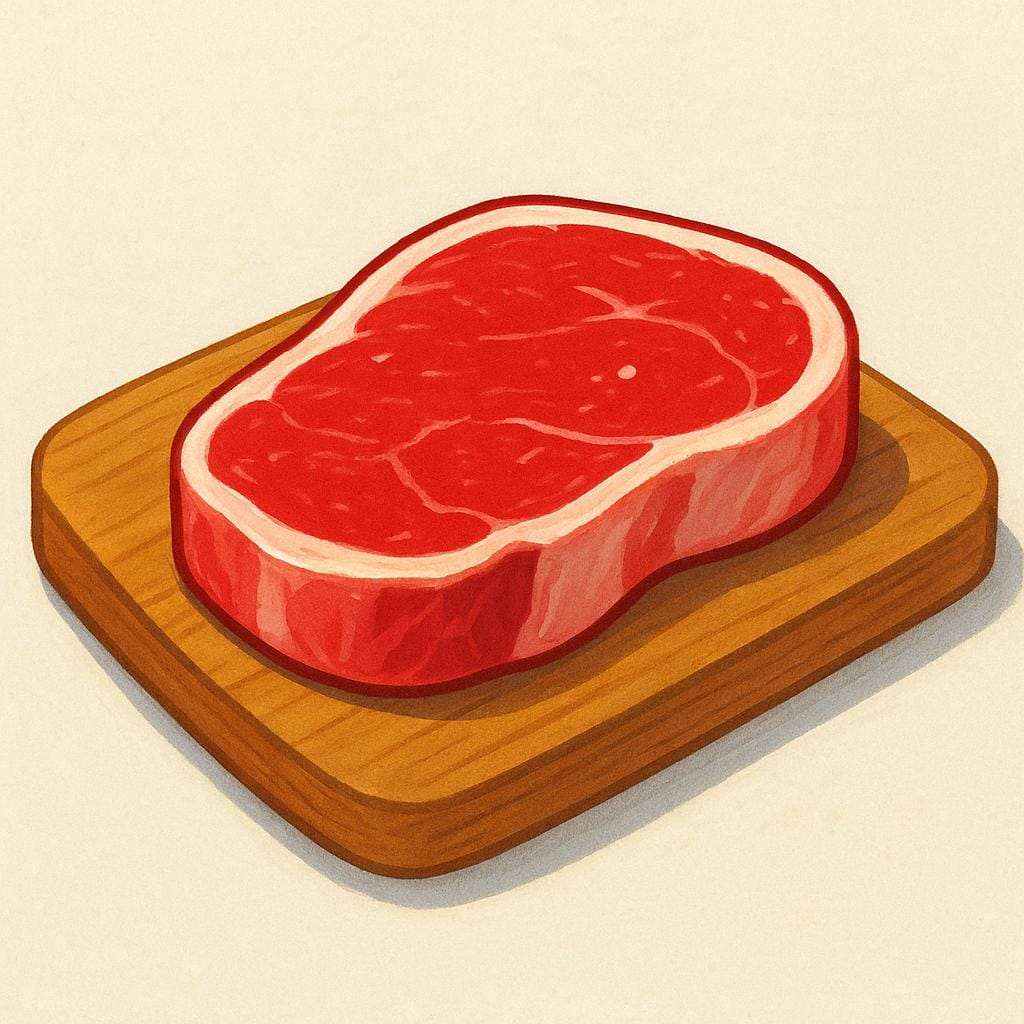
Examples
No como carne, soy vegetariano.
I don't eat meat, I'm a vegetarian.
Voy a comprar un kilo de carne molida para las hamburguesas.
I'm going to buy a kilo of ground meat for the hamburgers.
Este restaurante es famoso por sus carnes a la parrilla.
This restaurant is famous for its grilled meats.
It's a Feminine Noun
Even though it doesn't end in '-a', 'carne' is a feminine word. This means you always say 'la carne' (the meat) or 'una carne muy tierna' (a very tender meat).
General 'Meat' vs. Specific 'Beef'
Mistake: “Using 'carne' when you specifically want to say 'beef'.”
Correction: 'Carne' is the general word for all meat. While some places might understand 'carne' as beef by default, it's always clearer to say 'carne de res' for beef.
vaca
BAH-kahˈbaka

Examples
La vaca da leche fresca todas las mañanas.
The cow gives fresh milk every morning.
En la granja vimos un toro y muchas vacas pastando.
On the farm, we saw a bull and many cows grazing.
Gender Rule
Since 'vaca' refers to a female animal, it is a feminine noun and always uses the article 'la' or 'una'.
Confusing General Meat vs. Specific Cuts
Learn Spanish with Inklingo
Interactive stories, personalized learning, and more.