How to Say "flesh" in Spanish
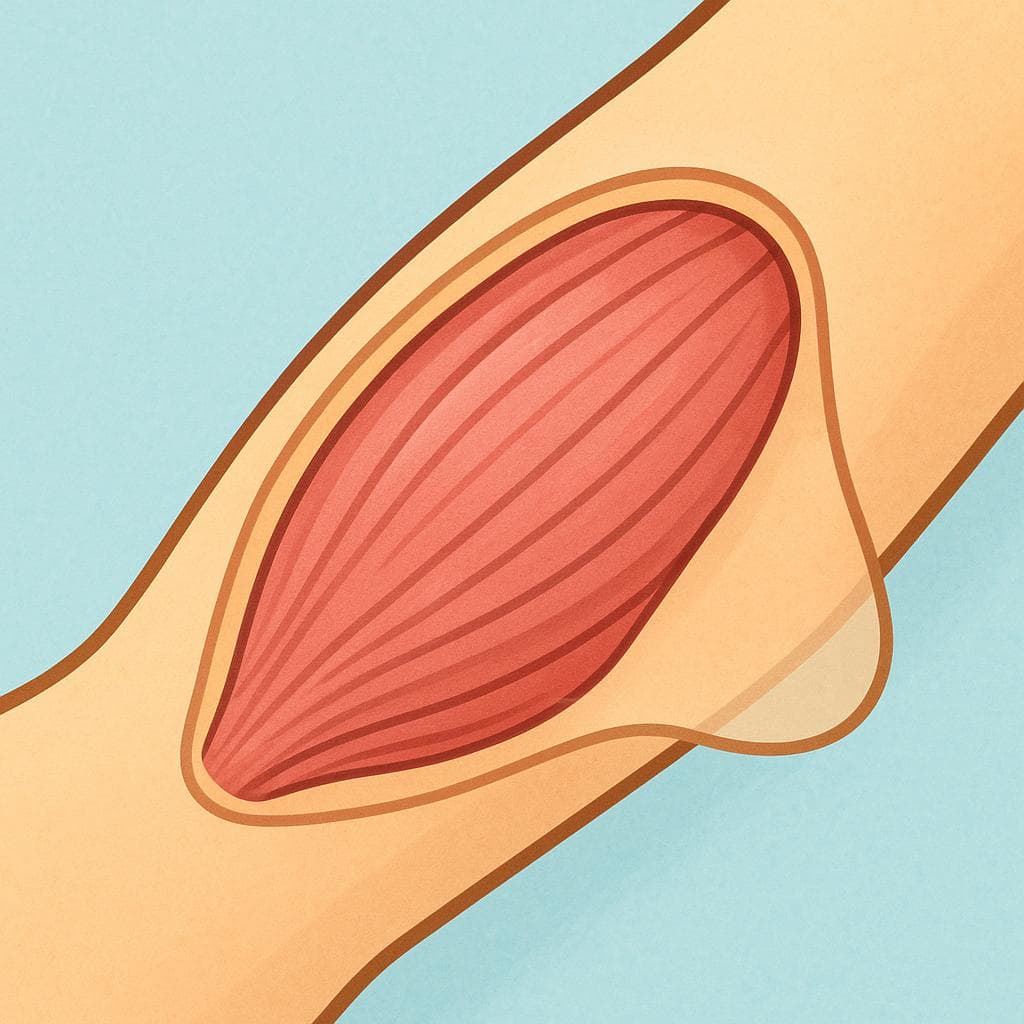
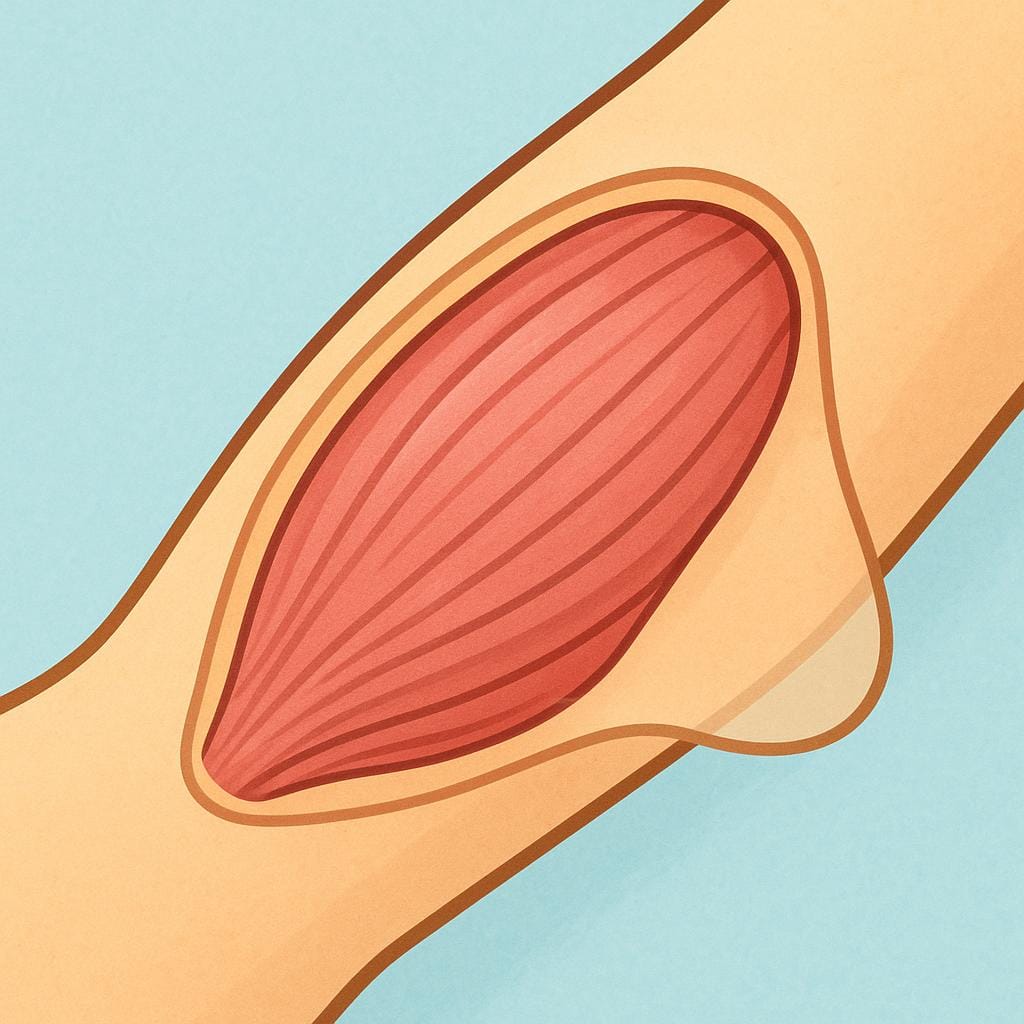
The most common Spanish word for “flesh” is “carne” — use 'carne' when referring to the physical tissue of a human or animal body, or the edible part of fruits and vegetables.
English → Spanish
carne
KAR-nehˈkaɾne
nounB1/B2general
Use 'carne' when referring to the physical tissue of a human or animal body, or the edible part of fruits and vegetables.
Examples
El cuchillo cortó la carne con facilidad.
The knife cut the flesh easily.
El médico dijo que la herida solo afectó la carne, no el hueso.
The doctor said the wound only affected the flesh, not the bone.
Por fin conocí en carne y hueso al autor de mi libro favorito.
I finally met the author of my favorite book in the flesh.
La carne de este aguacate está perfectamente madura.
The flesh of this avocado is perfectly ripe.
músculo
nounA1general
Use 'músculo' specifically when referring to muscle tissue, often in the context of anatomy or physical exertion.
Examples
Sentí un tirón en el músculo de la pierna.
I felt a pull in the muscle of my leg.
Carne vs. Músculo
Learners often confuse 'carne' and 'músculo'. Remember that 'carne' is the general term for flesh or meat, while 'músculo' is specifically 'muscle'. You wouldn't typically say 'músculo' for the flesh of a fruit, for example.
Related Translations
Learn Spanish with Inklingo
Interactive stories, personalized learning, and more.