How to Say "pulp" in Spanish
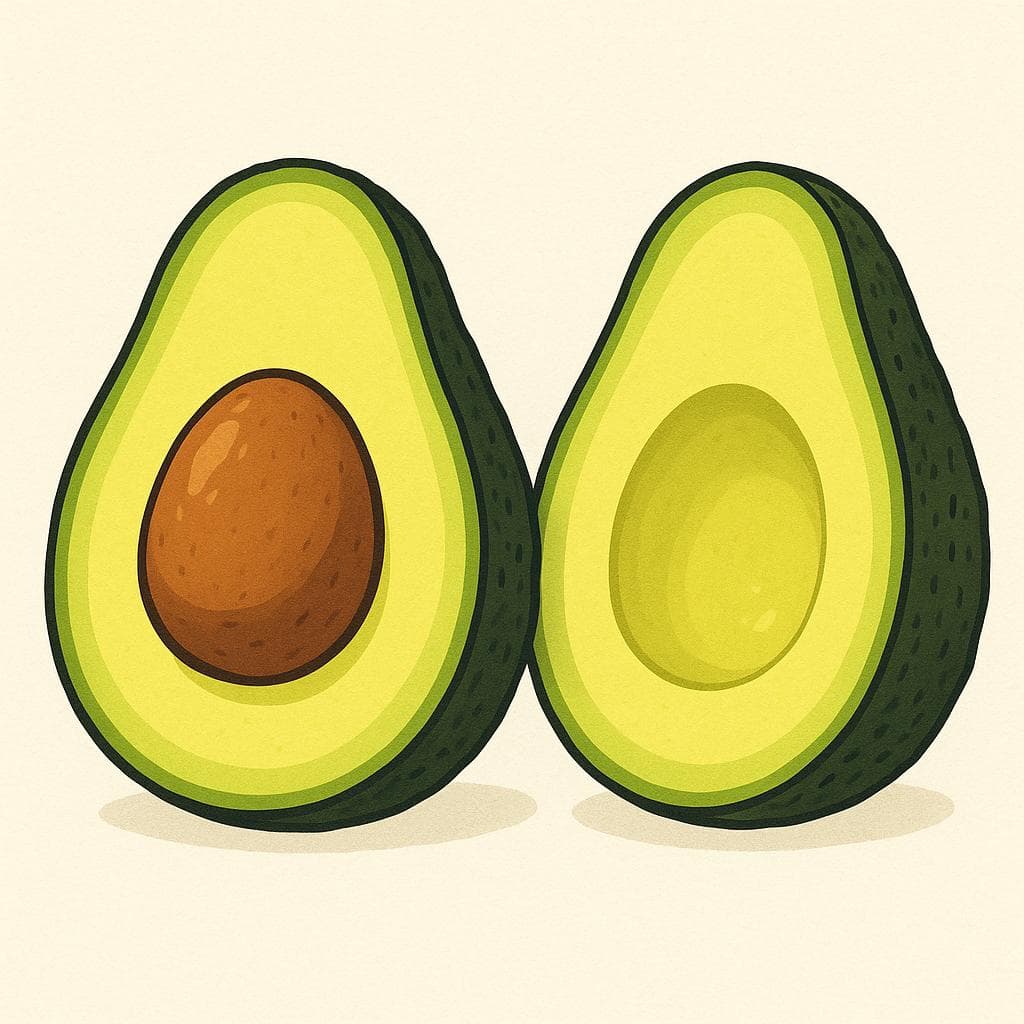
The most common Spanish word for “pulp” is “carne” — use 'carne' when referring to the soft, fleshy, edible part of a fruit or vegetable.
carne
KAR-nehˈkaɾne
Examples
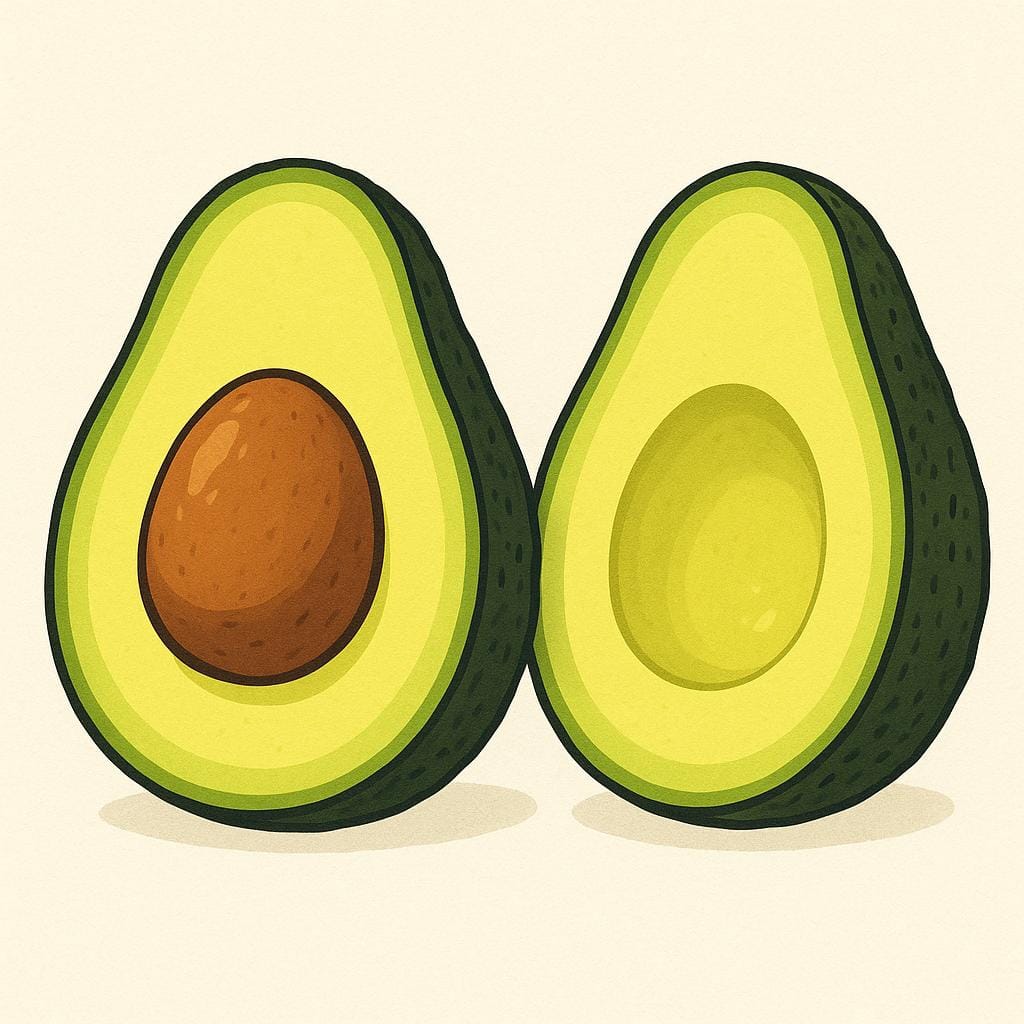
La carne de este aguacate está perfectamente madura.
The flesh of this avocado is perfectly ripe.
Separa la carne de la sandía de la cáscara y las semillas.
Separate the flesh of the watermelon from the rind and the seeds.
pasta
PAHS-tahˈpas.ta
Examples
La receta dice que hay que amasar la pasta por diez minutos.
The recipe says that you have to knead the dough for ten minutes.
Usa esta pasta de dientes para cepillarte.
Use this toothpaste to brush your teeth.
Context is Key
When talking about baking, 'pasta' is often interchangeable with 'masa' (dough), but 'pasta' is more common for thick, non-food pastes like glue or toothpaste.
Confusing edible pulp with material pulp
Learn Spanish with Inklingo
Interactive stories, personalized learning, and more.