ternera
“ternera” means “beef” in Spanish. It has 2 different meanings depending on context:
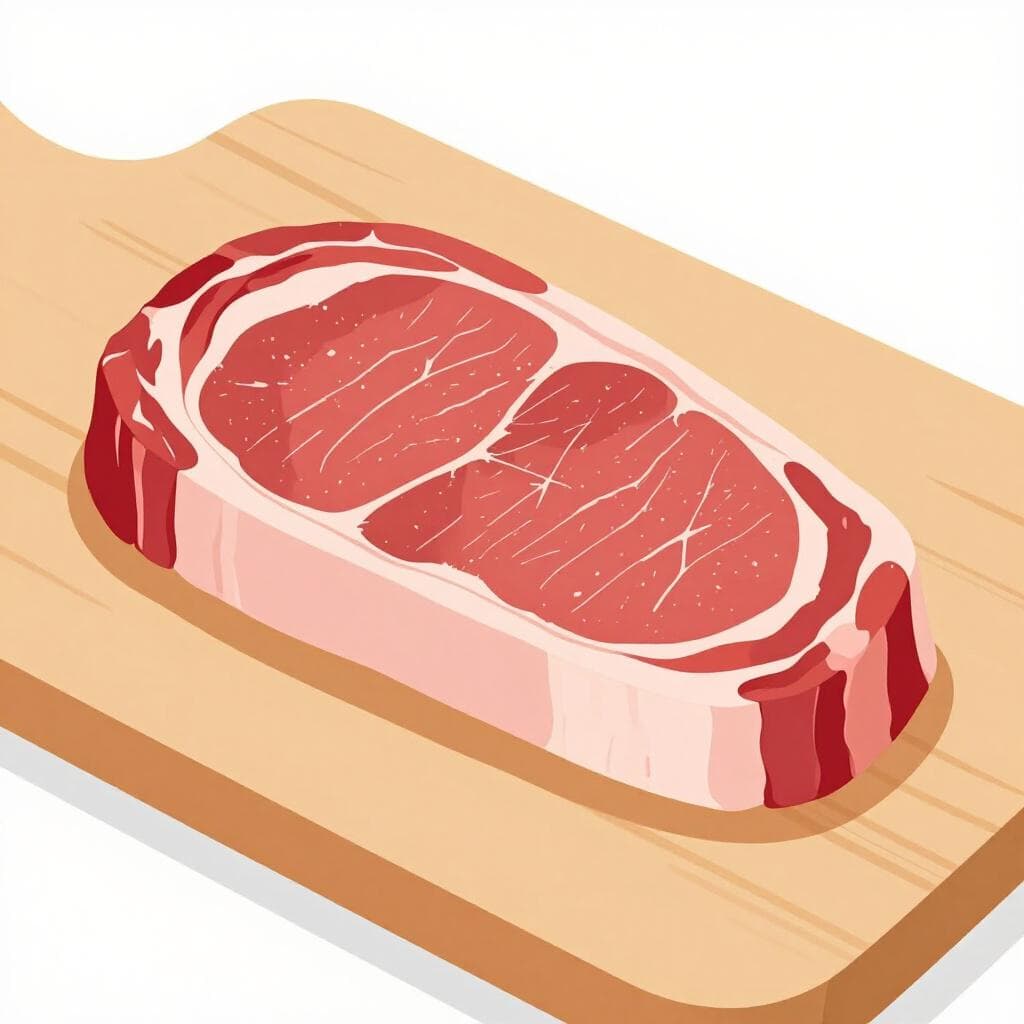
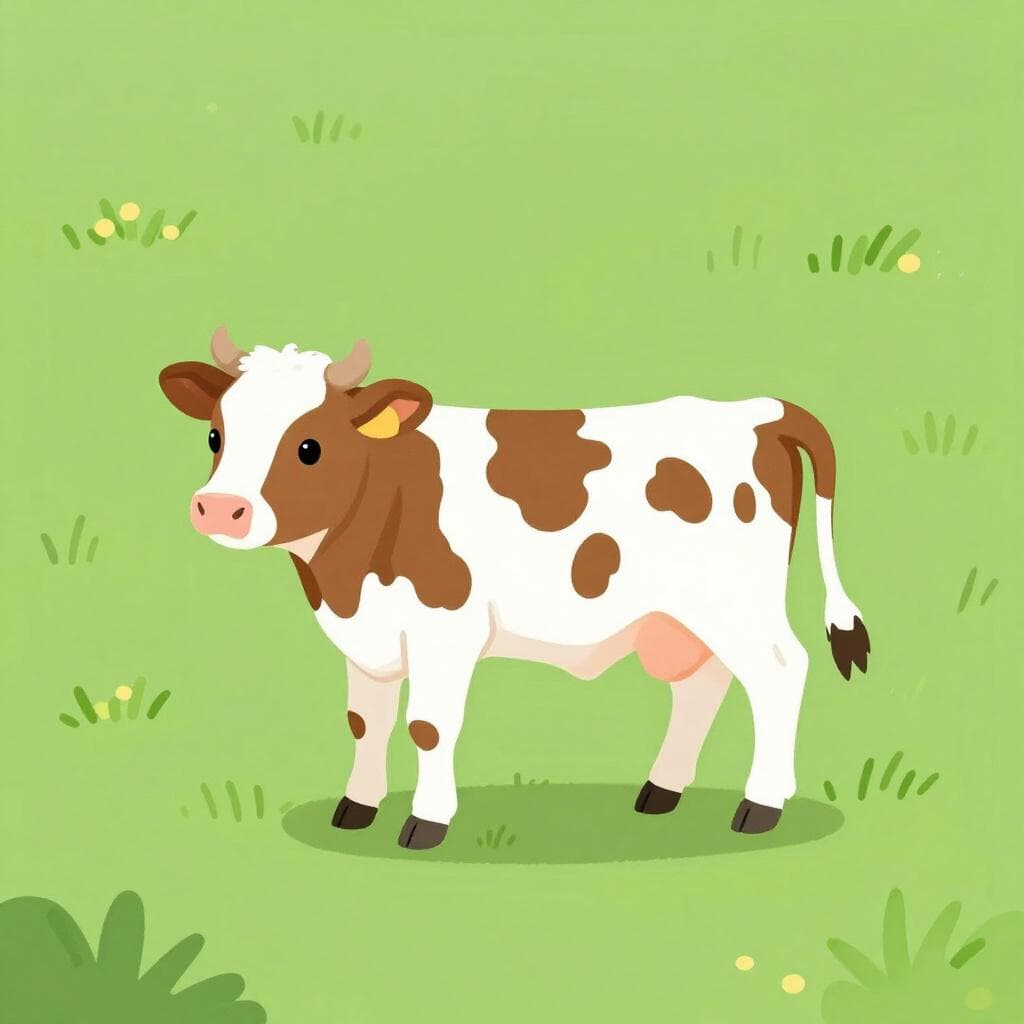
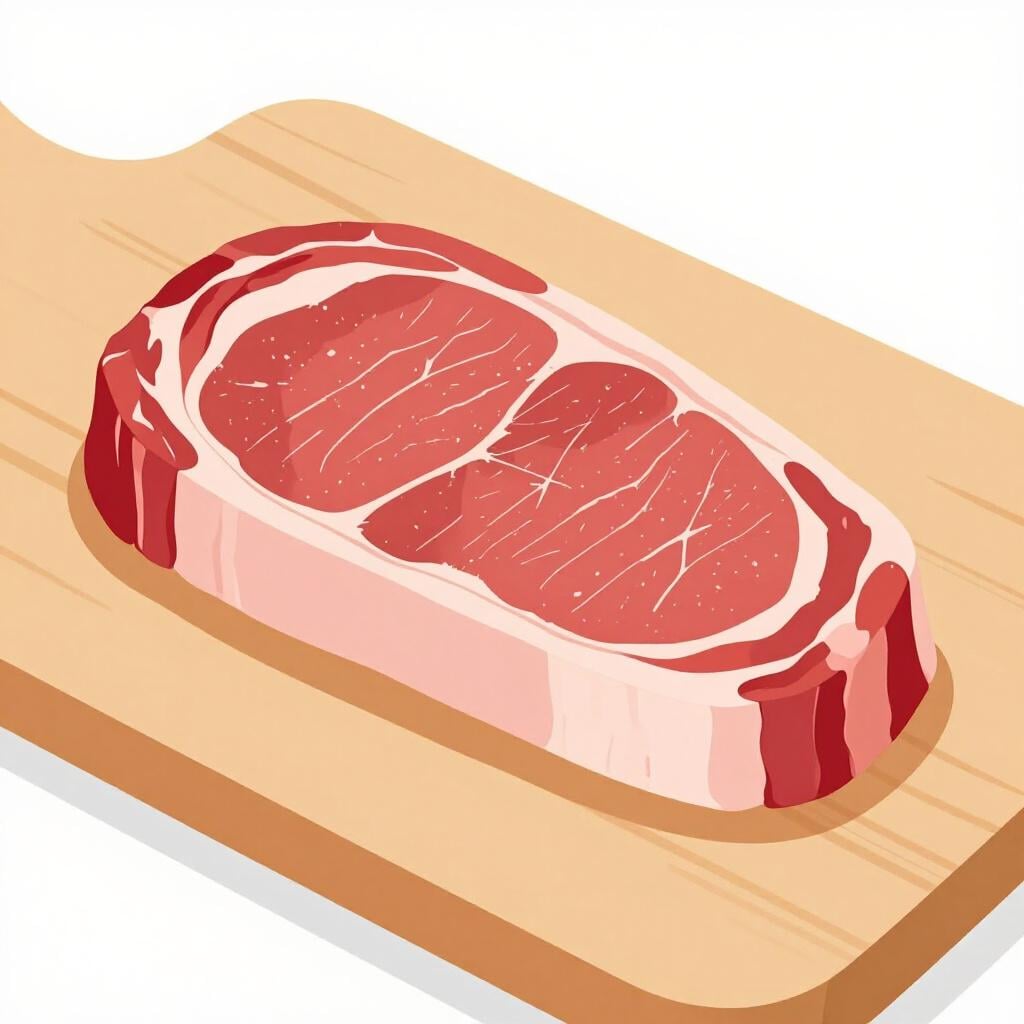
beefAlso: veal
📝 In Action
Quisiera un filete de ternera, por favor.
A1I would like a beef steak, please.
La ternera asada es mi plato favorito.
A2Roast beef is my favorite dish.
Mezclamos carne de ternera y cerdo para las hamburguesas.
B1We mix beef and pork for the hamburgers.
Word Connections
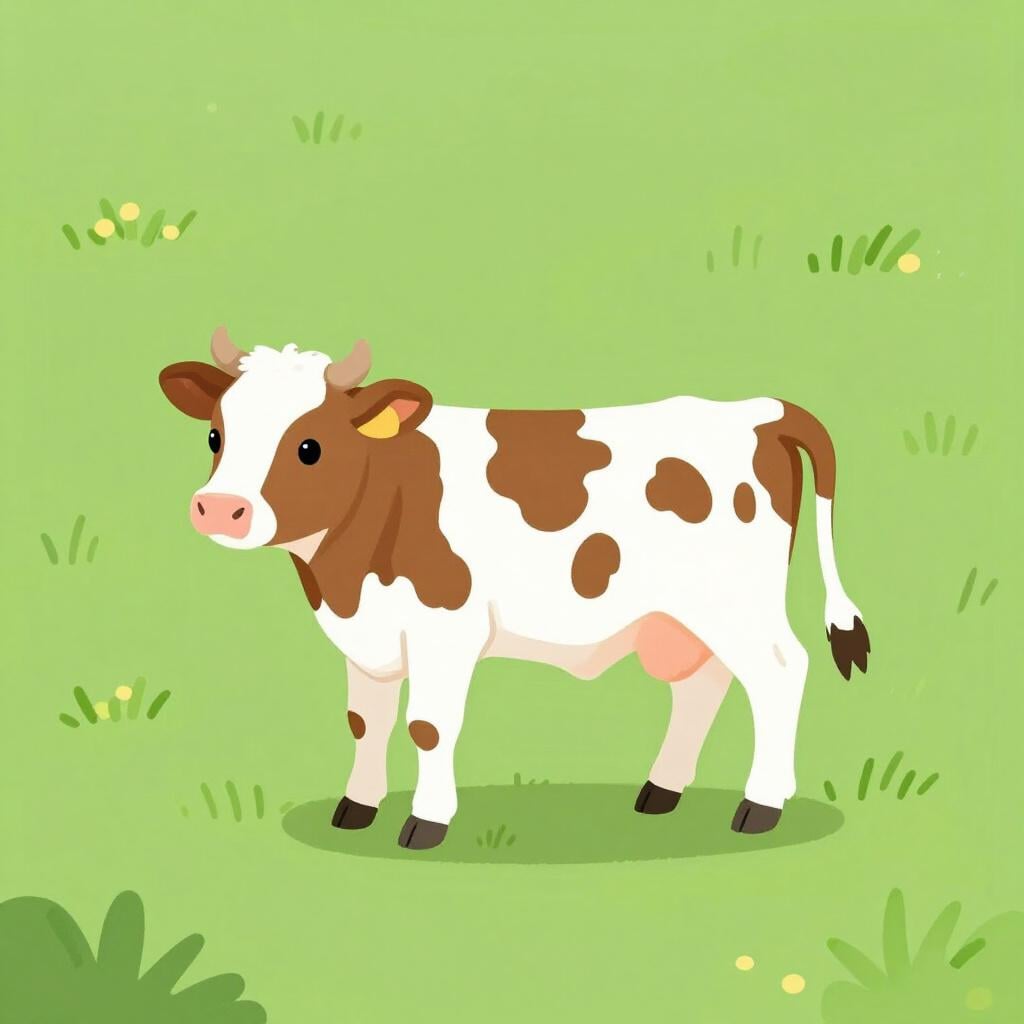
calfAlso: heifer
📝 In Action
La ternera sigue a su madre por el campo.
A2The calf follows its mother through the field.
Vimos una ternera recién nacida en la granja.
B1We saw a newborn calf on the farm.
El granjero separa a las terneras de los toros.
B2The farmer separates the heifers from the bulls.
Word Connections
✏️ Quick Practice
Quick Quiz: ternera
Question 1 of 3
If you are at a restaurant in Madrid and want a beef steak, what should you look for on the menu?
📚 More Resources
👥 Word Family
📚 Etymology
From the Latin 'tener' (soft/tender), referring to the tenderness of a young animal's meat compared to an adult cow.
First recorded: 13th century
Cognates (Related words)
💡 Master Spanish
Take your Spanish to the next level. Read 200+ illustrated and narrated Spanish stories tailored to your level with the Inklingo app!
Frequently Asked Questions
Is 'ternera' always veal?
Not exactly. In English, 'veal' usually refers to very young, milk-fed calves. In Spanish, 'ternera' is used much more broadly to include what English speakers would simply call 'beef'.
Should I use 'res' or 'ternera'?
If you are in Mexico or Central/South America, 'res' is very common for beef. If you are in Spain, 'ternera' is the preferred word.
Is 'ternera' only for the animal?
No, it is used for both the living young cow (female) and the meat produced from it.