aclarar
“aclarar” means “clarify” in Spanish. It has 3 different meanings depending on context:


clarify, explainAlso: clear up, elucidate

📝 In Action
Necesito que me aclares esta parte del contrato.
B1I need you to clarify this part of the contract for me.
Ella aclaró que la reunión sería a las 10, no a las 11.
A2She made it clear that the meeting would be at 10, not 11.
El profesor siempre se toma tiempo para aclarar nuestras dudas.
B1The teacher always takes time to clear up our doubts.
Word Connections
lighten, brightenAlso: bleach

📝 In Action
Ella va a la peluquería para aclarar su cabello.
B1She is going to the hair salon to lighten her hair.
Después de la lluvia, el cielo empezó a aclararse.
B2After the rain, the sky began to brighten (become clearer).
Añade un poco de blanco para aclarar la pintura.
B1Add a little bit of white to lighten the paint.
Word Connections
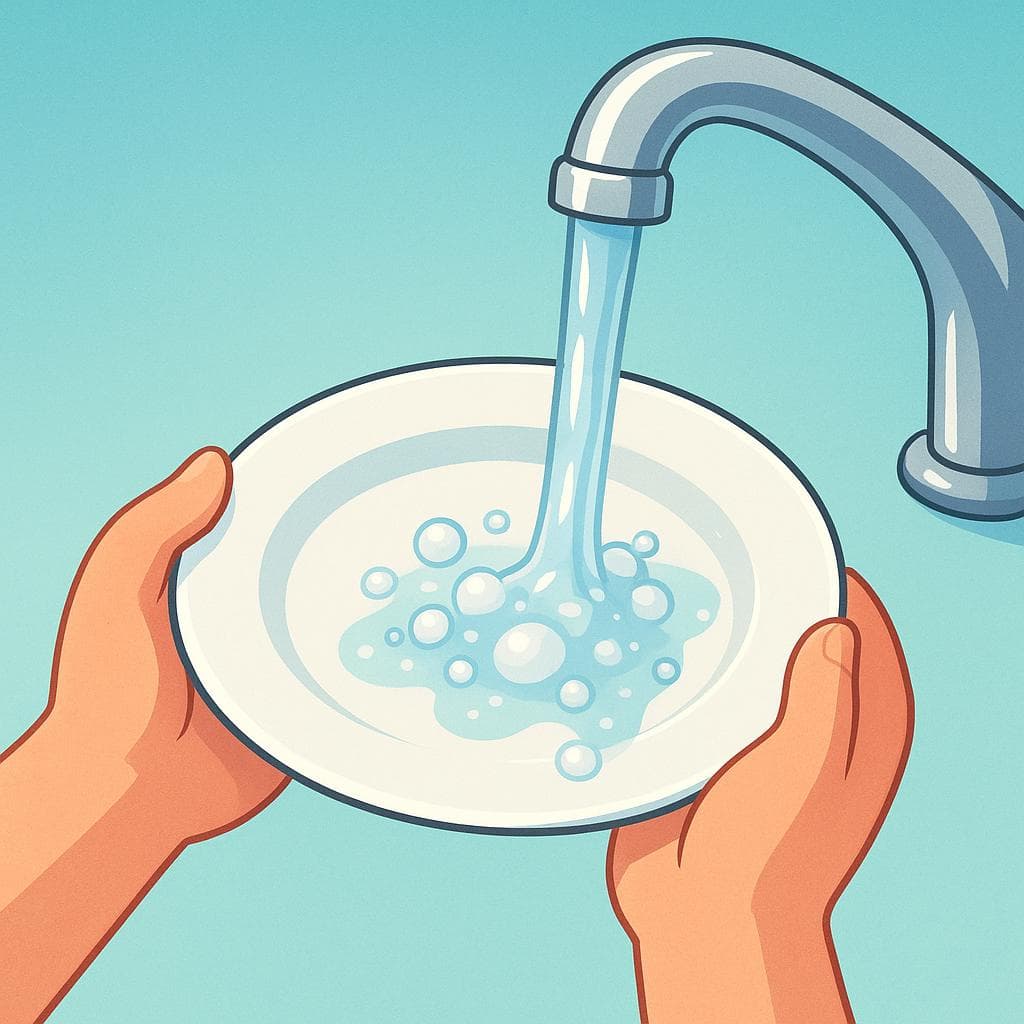
rinseAlso: wash out

📝 In Action
Aclara las verduras antes de cocinarlas.
A1Rinse the vegetables before cooking them.
No olvides aclarar la ropa dos veces para quitar todo el jabón.
A2Don't forget to rinse the clothes twice to remove all the soap.
Me aclaré el pelo en la ducha.
A2I rinsed my hair in the shower.
Word Connections
Indicative
Present
Imperfect
Preterite
Subjunctive
Present Subjunctive
Imperfect Subjunctive
🔀 Commonly Confused With
Translate to Spanish
🗣️ Practice in a Tongue Twister
✏️ Quick Practice
Quick Quiz: aclarar
Question 1 of 2
Which meaning of 'aclarar' is used in the phrase: 'El sol empezó a aclarar el día'?
📚 More Resources
👥 Word Family
📚 Etymology
The word comes from the Latin root *clārus*, meaning 'clear' or 'bright.' 'Aclarar' literally means 'to make clear' (a- + claro + -ar).
First recorded: 13th century
Cognates (Related words)
💡 Master Spanish
Take your Spanish to the next level. Read 200+ illustrated and narrated Spanish stories tailored to your level with the Inklingo app!
Frequently Asked Questions
Is 'aclarar' used more for physical things or abstract ideas?
'Aclarar' is extremely versatile. In daily conversation, it's most often used for abstract ideas (clarifying a doubt or a situation). However, it is also very common for physical actions like rinsing or lightening a color.
When should I use 'aclarar' and when should I use 'explicar'?
'Explicar' is used for providing a detailed, full explanation of how something works (e.g., 'explain gravity'). 'Aclarar' is used to resolve a specific doubt or confusion (e.g., 'clarify the time of the meeting'). They are often interchangeable, but 'aclarar' focuses more on removing ambiguity.