How to Say "to shade" in Spanish
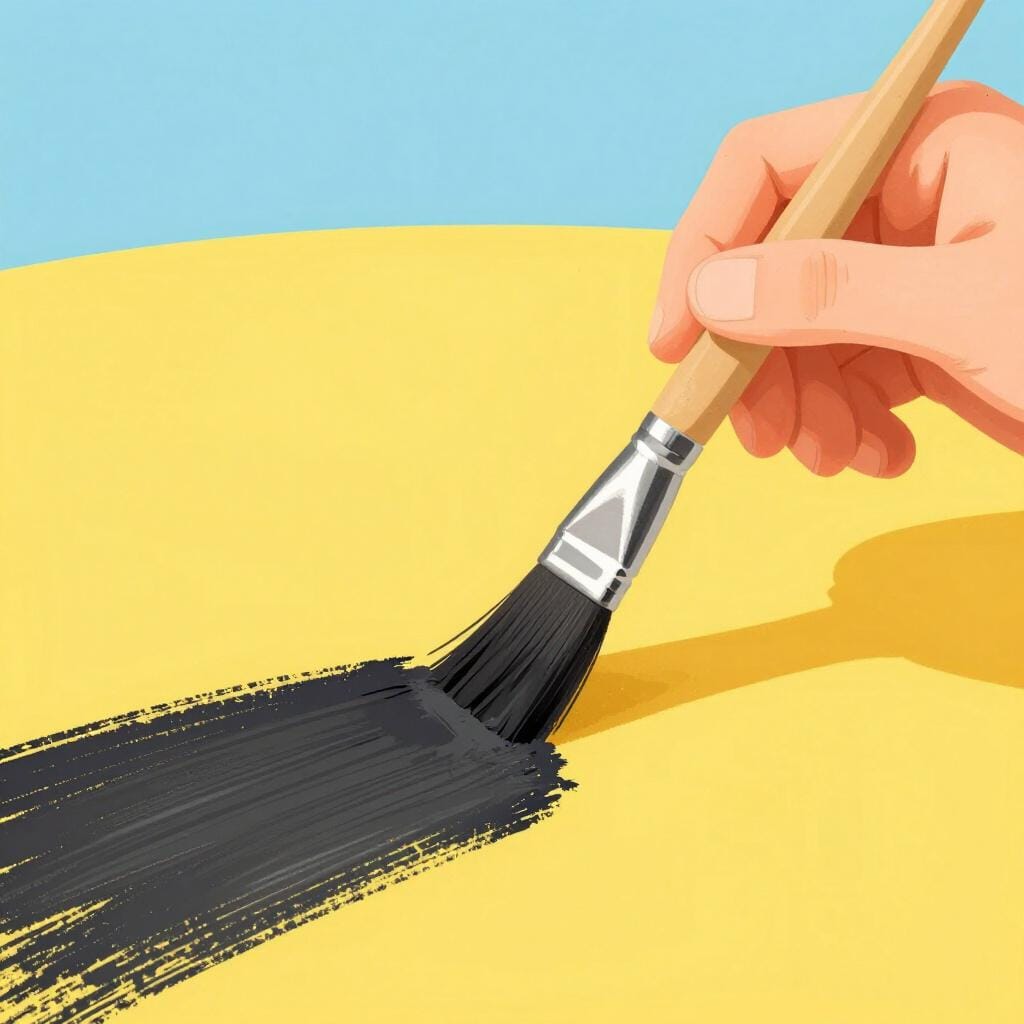
The most common Spanish word for “to shade” is “oscurecer” — use this word when you want to make a color or an area darker, especially in an artistic context or when painting.
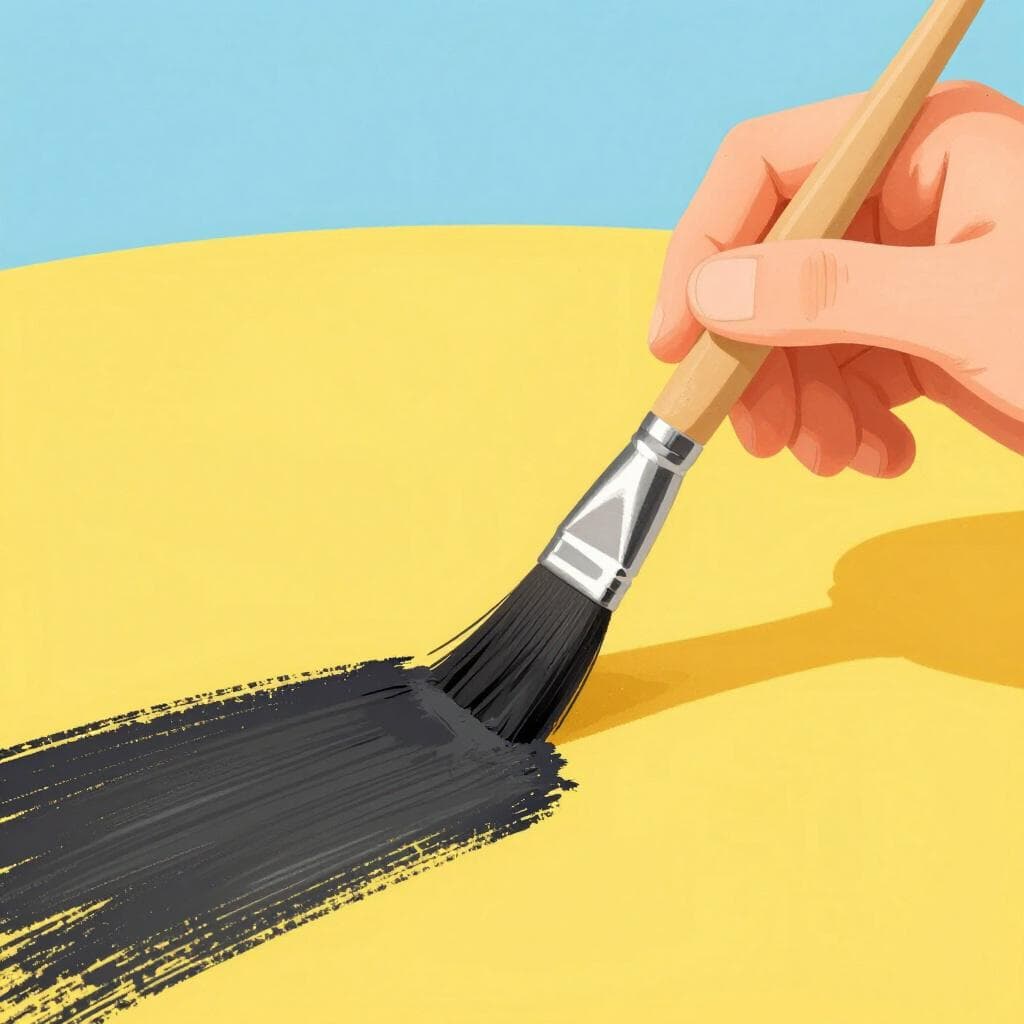
Use this word when you want to make a color or an area darker, especially in an artistic context or when painting.
Learn more →
Use this word in its original, literal sense of casting a shadow over something, though it's less common in everyday speech for this meaning and more often means 'to amaze'.
Learn more →
Employ this word when you are talking about gradually changing or blurring colors or lines, often in drawing or digital art.
Learn more →os-koo-re-SAIRoskuɾeˈθer
Examples
Voy a oscurecer el fondo de la pintura para que el sujeto resalte más.
I'm going to darken the background of the painting so the subject stands out more.
Quiero oscurecer un poco el color de las paredes.
I want to darken the color of the walls a little bit.
Ella decidió oscurecer su cabello para el invierno.
She decided to darken her hair for the winter.
Las nubes oscurecieron el campo de repente.
The clouds suddenly darkened the field.
Direct objects
When you are darkening something else, that 'something' is the object of the verb. Example: 'La lluvia oscureció el cielo' (The rain darkened the sky).
Pronominal use
Mistake: “La pintura se oscureció.”
Correction: La pintura se oscureció (is correct), but don't forget the 'se' if it darkened on its own.
ah-sohm-BRAHRasomˈbɾaɾ

Examples
Los árboles altos asombran el camino en las tardes de verano.
The tall trees shade the path on summer afternoons.
Tu capacidad para aprender idiomas nos va a asombrar a todos.
Your ability to learn languages is going to amaze us all.
Me asombra que todavía no hayas visto esa película.
It amazes me that you still haven't seen that movie.
El gran edificio asombraba la pequeña callejuela.
The large building shaded the small narrow street.
Using 'Asombrar' with Emotions
When you say something amazes you ('Me asombra que...'), the verb in the second part of the sentence needs a special form because you are expressing a feeling or reaction.
The Person Affected
Use 'me, te, le, nos, os, les' to show who is feeling the amazement. For example, 'Le asombra' means 'It amazes him/her'.
Using 'asombrar' for 'to be scared'
Mistake: “Using 'asombrar' when you mean 'to frighten'.”
Correction: While 'asombrar' relates to shadows, in modern Spanish use 'asustar' for being scared. 'Asombrar' is almost always for being impressed or surprised.
es-foo-MAHResfuˈmaɾ

Examples
El artista usó un dedo para esfumar los bordes del carbón.
The artist used a finger to shade the edges of the charcoal.
Debes esfumar los bordes del dibujo.
You should blur the edges of the drawing.
El artista esfumó el color azul con el blanco.
The artist shaded the blue color into the white.
Direct Action
In this artistic sense, you don't usually use 'se'. You are doing the action directly to an object, like a drawing.
Confusing darkening with casting shadows
Learners often confuse 'oscurecer' (to darken) with 'asombrar' (to cast a shadow). Remember that 'oscurecer' refers to making something darker in tone, like a paint color, while 'asombrar' literally means to cover with shadow, often used for physical objects blocking light.
Related Translations
Learn Spanish with Inklingo
Interactive stories, personalized learning, and more.