How to Say "to decorate" in Spanish
The most common Spanish word for “to decorate” is “decorar” — use 'decorar' when referring to the act of adding ornaments or making a room, house, or object visually appealing, often for a specific event or style.

Use 'decorar' when referring to the act of adding ornaments or making a room, house, or object visually appealing, often for a specific event or style.
Learn more →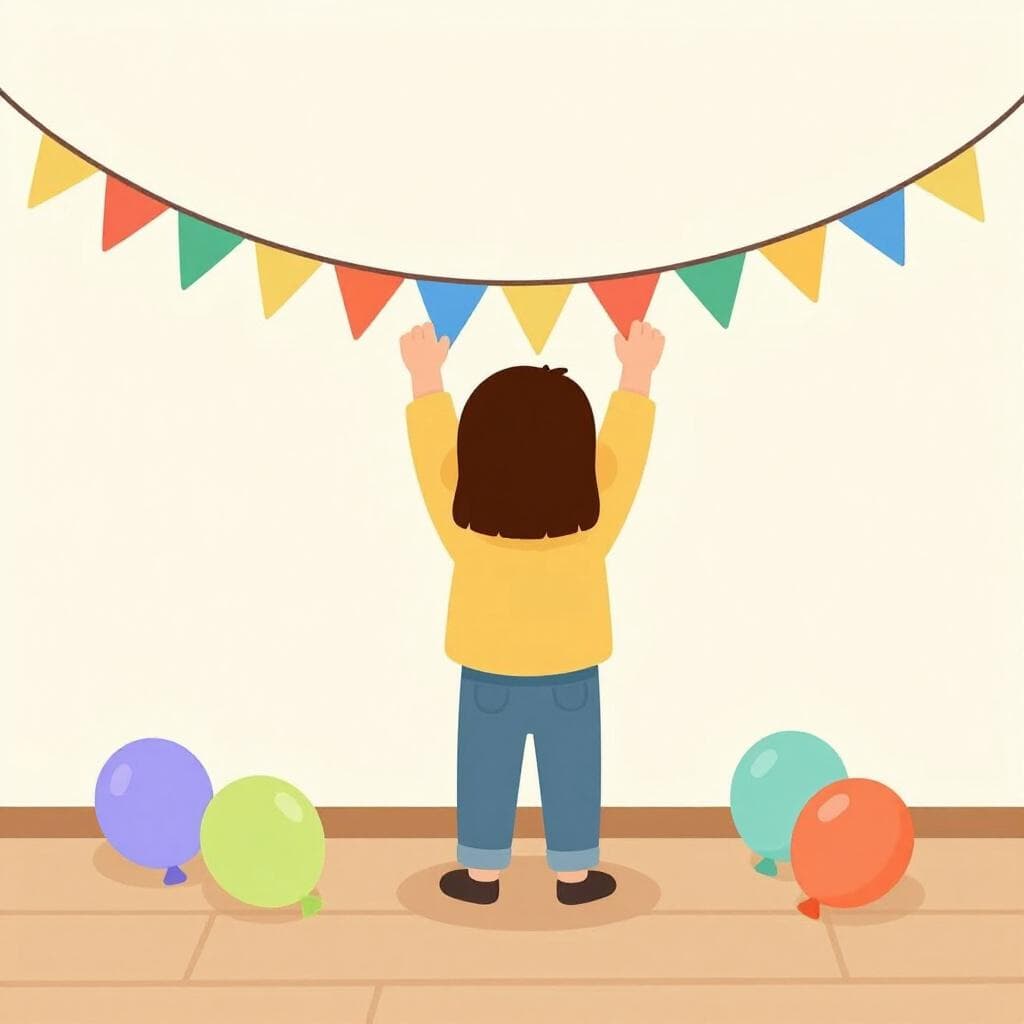
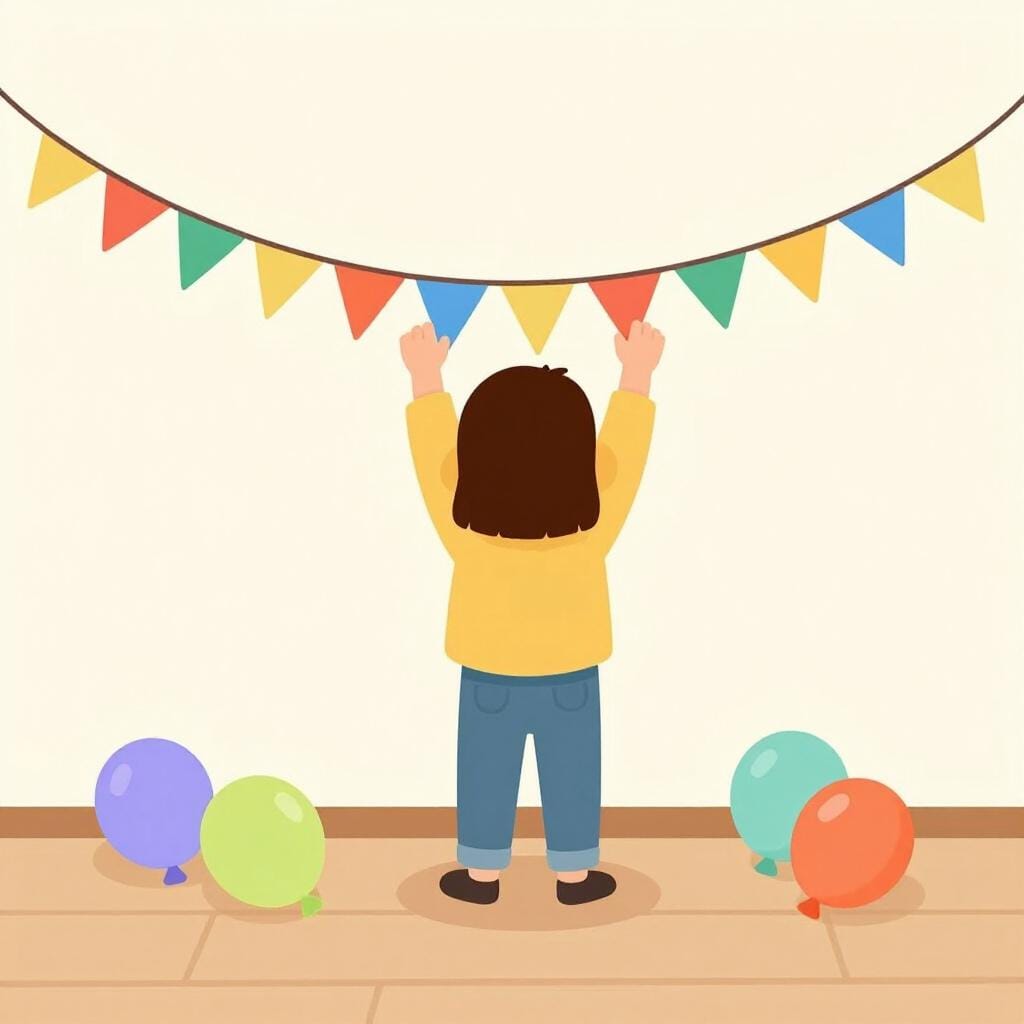
Choose 'adornar' when the focus is on enhancing the beauty of a space or object with decorative elements, implying embellishment.
Learn more →
Use 'ilustrar' exclusively when adding visual elements, like drawings or pictures, to accompany written text, such as in a book or article.
Learn more →deh-koh-RAHRdekoˈɾaɾ

Examples
Vamos a decorar el salón con flores para la boda.
We are going to decorate the living room with flowers for the wedding.
Queremos decorar la sala con globos para la fiesta.
We want to decorate the living room with balloons for the party.
Ella decora pasteles de forma profesional.
She decorates cakes professionally.
Si decoras tu habitación con colores claros, se verá más grande.
If you decorate your room with light colors, it will look bigger.
Decorating 'With'
When you want to say what you are using to decorate, use the word 'con' (with). For example: 'Decorar con flores' (To decorate with flowers).
A Regular Pattern
Good news! This word follows the standard pattern for verbs ending in -ar, so there are no tricky stem changes to memorize.
Decorar vs. Maquillar
Mistake: “Voy a decorar mi cara para la fiesta.”
Correction: Voy a maquillarme para la fiesta.
ah-dor-NARaðoɾˈnaɾ
Examples
Me gusta adornar el jardín con luces navideñas.
I like to adorn the garden with Christmas lights.
Queremos adornar la casa para la fiesta de mañana.
We want to decorate the house for tomorrow's party.
Ella adorna su cabello con flores de colores.
She decorates her hair with colorful flowers.
El cocinero adornó el postre con hojas de menta.
The chef garnished the dessert with mint leaves.
Using 'con' to describe materials
When you want to say what you are decorating with, use the word 'con' (with) right after 'adornar'.
Confusing with 'decorar'
Mistake: “Using 'adornar' only for houses.”
Correction: 'Decorar' is common for interior design and painting, while 'adornar' is usually used for adding small ornaments, accessories, or festive details.
ee-loos-trahrilusˈtɾaɾ

Examples
El artista va a ilustrar el cuento infantil.
The artist is going to illustrate the children's story.
Ella va a ilustrar el nuevo libro de cuentos.
She is going to illustrate the new storybook.
El artista ilustró la portada con colores vivos.
The artist illustrated the cover with bright colors.
Estamos buscando a alguien para ilustrar el manual técnico.
We are looking for someone to illustrate the technical manual.
Using 'con' for tools
When saying what you used to illustrate something, use 'con' (with). Example: 'Ilustrar con acuarelas' (To illustrate with watercolors).
Direct Action
This verb acts directly on the object. You don't need a preposition like 'a' unless you are illustrating a person (which is rare in the drawing sense).
Ilustrar vs. Dibujar
Mistake: “Using 'ilustrar' for a simple doodle.”
Correction: Use 'dibujar' for just drawing. 'Ilustrar' usually implies the drawing is part of a larger project, like a story or a magazine.
Decorar vs. Adornar
Learners often confuse 'decorar' and 'adornar' because they both relate to making something look better. Remember that 'decorar' is more general for making a space festive or stylish, while 'adornar' emphasizes adding beauty through embellishments.
Related Translations
Learn Spanish with Inklingo
Interactive stories, personalized learning, and more.