How to Say "to circulate" in Spanish
The most common Spanish word for “to circulate” is “circular” — use 'circular' when referring to the movement of liquids like blood, air, or abstract concepts like information, news, or rumors within a system or body.
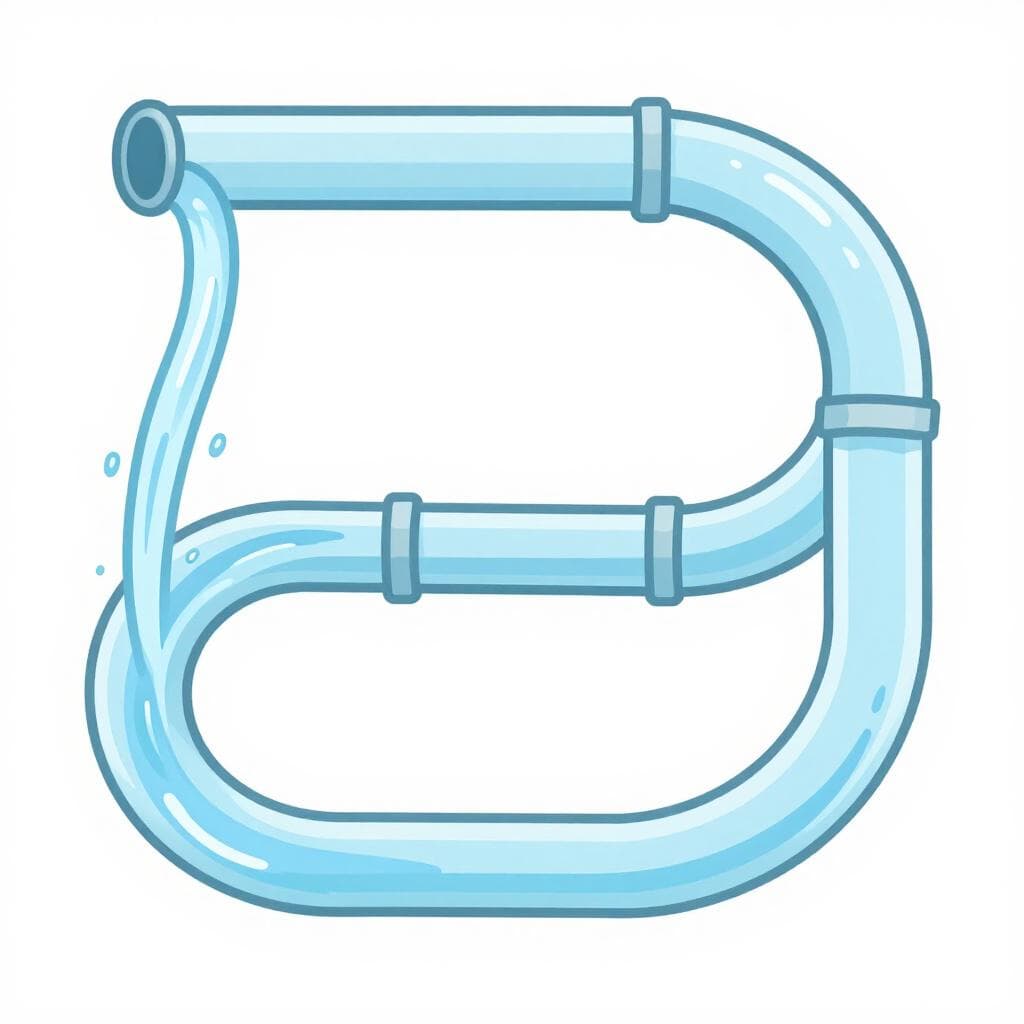


circular
seer-koo-LAHRθiɾkuˈlaɾ

Examples
La sangre circular por todo el cuerpo.
Blood circulates through the whole body.
La sangre circula por todo el cuerpo.
Blood circulates through the whole body.
Muchos coches circulan por esta avenida.
Many cars travel along this avenue.
Están circulando rumores sobre la boda.
Rumors are going around about the wedding.
Using it for Traffic
In Spanish, we use this verb to describe the movement of cars and people. Instead of just saying 'there are cars,' you can say 'los coches circulan' to sound more natural.
Rumors vs. News
Mistake: “La noticia circular por la ciudad.”
Correction: La noticia circula por la ciudad. (Don't forget to match the verb to the person or thing doing the action!)
correr
koh-REHRkoˈrer

Examples
El agua corre desde la montaña hasta el río.
The water flows from the mountain to the river.
El rumor corrió por toda la oficina en minutos.
The rumor circulated (ran) through the entire office in minutes.
Necesitamos arreglar la tubería porque está corriendo agua.
We need to fix the pipe because water is leaking/running out.
fluir
floo-EERfluˈir

Examples
El agua fluye suavemente por el arroyo.
The water flows gently through the stream.
La sangre fluye por las venas hacia el corazón.
Blood flows through the veins toward the heart.
El tráfico comenzó a fluir después del accidente.
Traffic began to flow after the accident.
The 'Y' spelling change
For verbs ending in -uir, Spanish adds a 'y' when the 'u' is followed by another vowel (except 'i'). This helps keep the sounds distinct, so 'fluo' becomes 'fluyo'.
Accent marks in the past
In the 'yo' form of the past tense (fluí), the accent on the 'i' is vital to show that you emphasize the end of the word.
Spelling it with 'i'
Mistake: “Él flué.”
Correction: Él fluyó. Because 'u' and 'e' are together, Spanish switches to a 'y' to bridge the gap.
Circular vs. Correr for News
Learn Spanish with Inklingo
Interactive stories, personalized learning, and more.