How to Say "to cut" in Spanish
The most common Spanish word for “to cut” is “cortar” — use 'cortar' when referring to the general act of dividing something with a sharp instrument like scissors or a knife.

Use 'cortar' when referring to the general act of dividing something with a sharp instrument like scissors or a knife.
Learn more →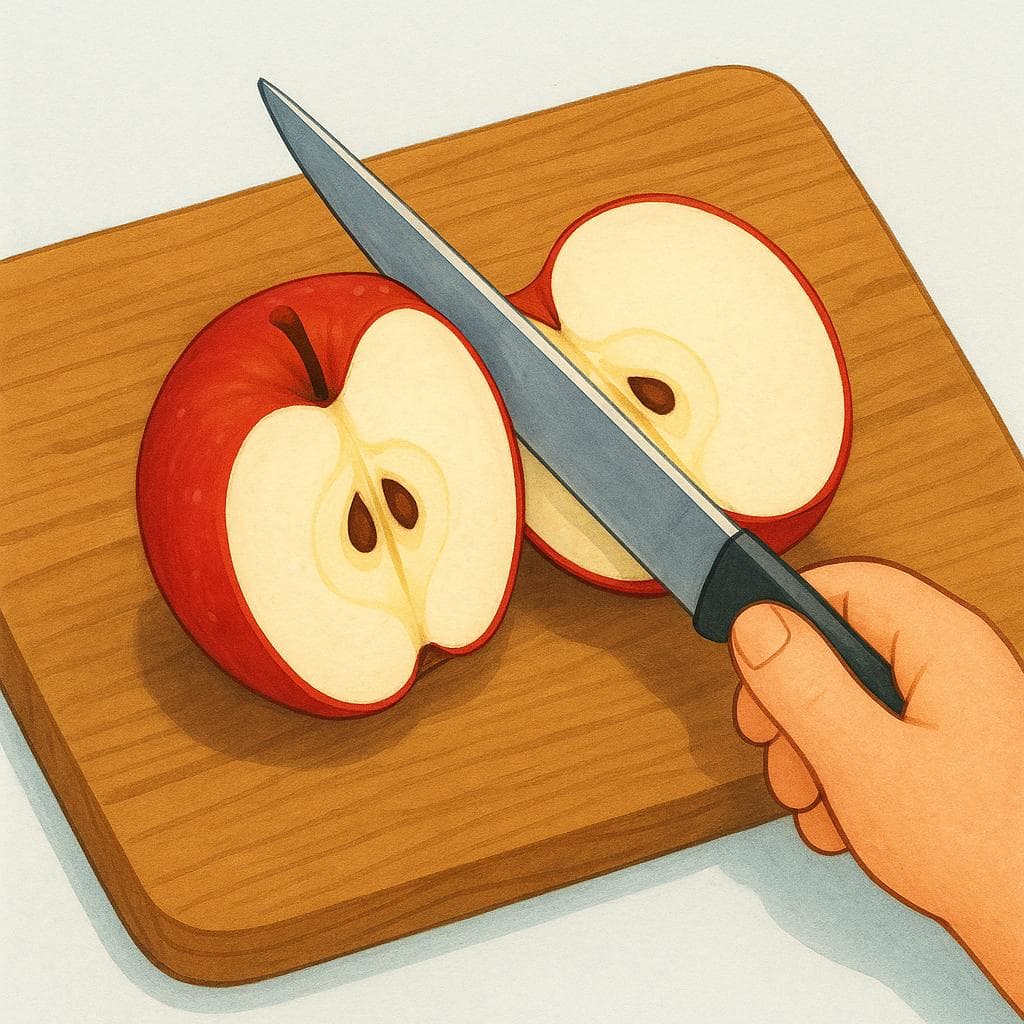
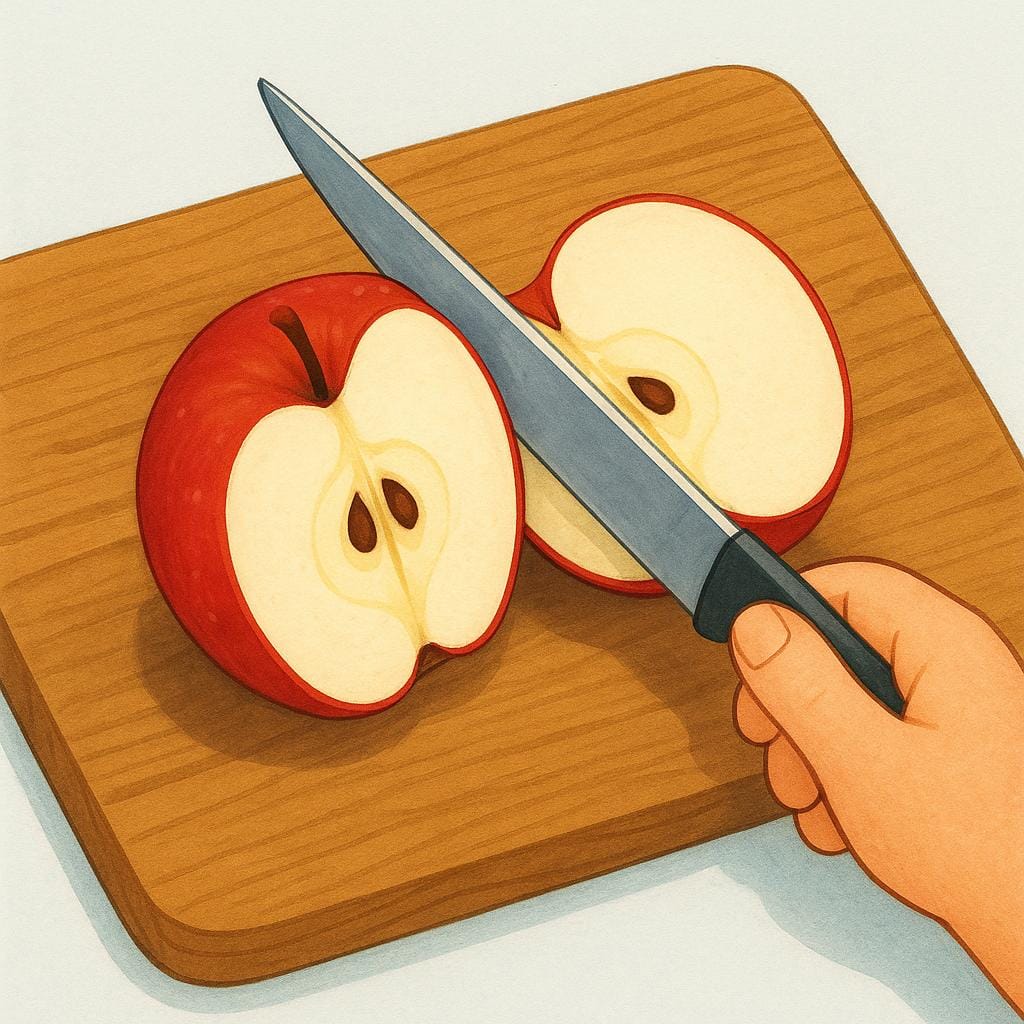
Use 'partir' primarily when cutting food, especially when dividing it into equal portions or in half.
Learn more →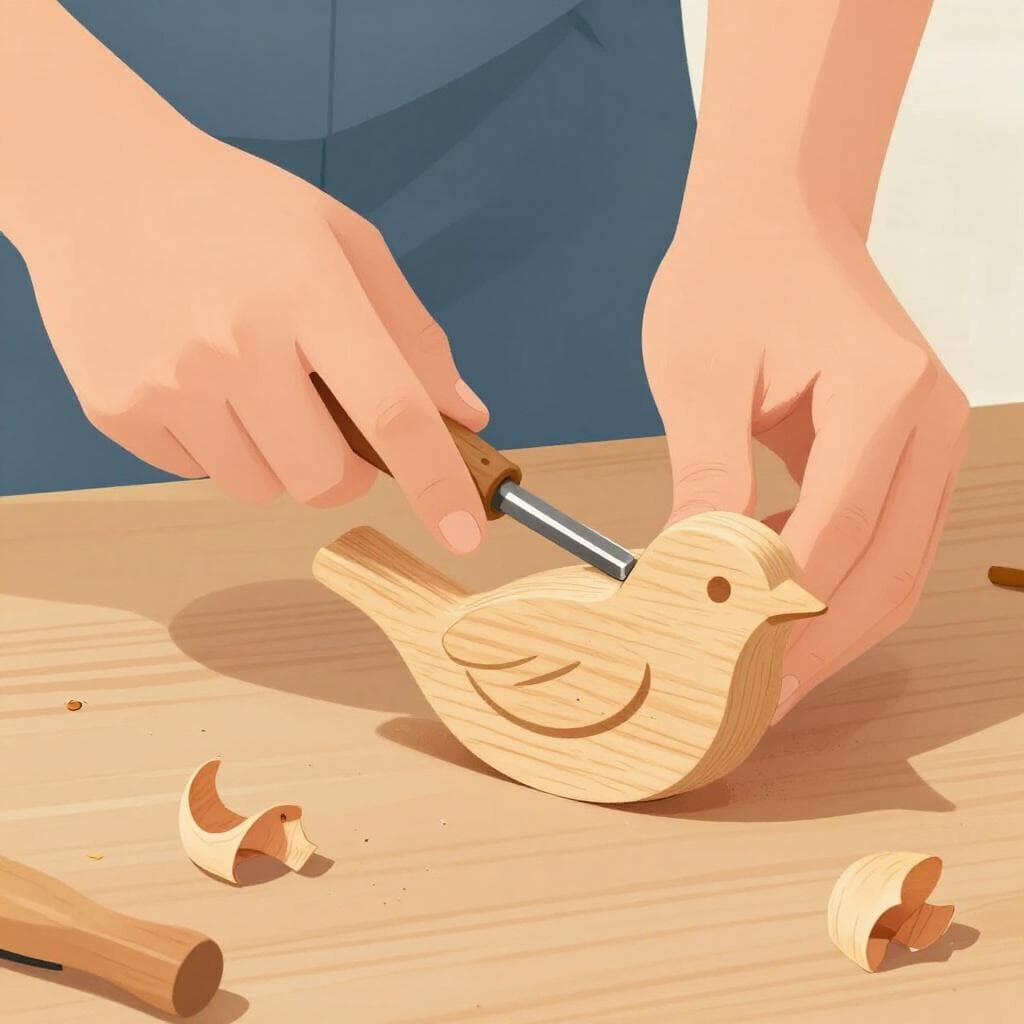
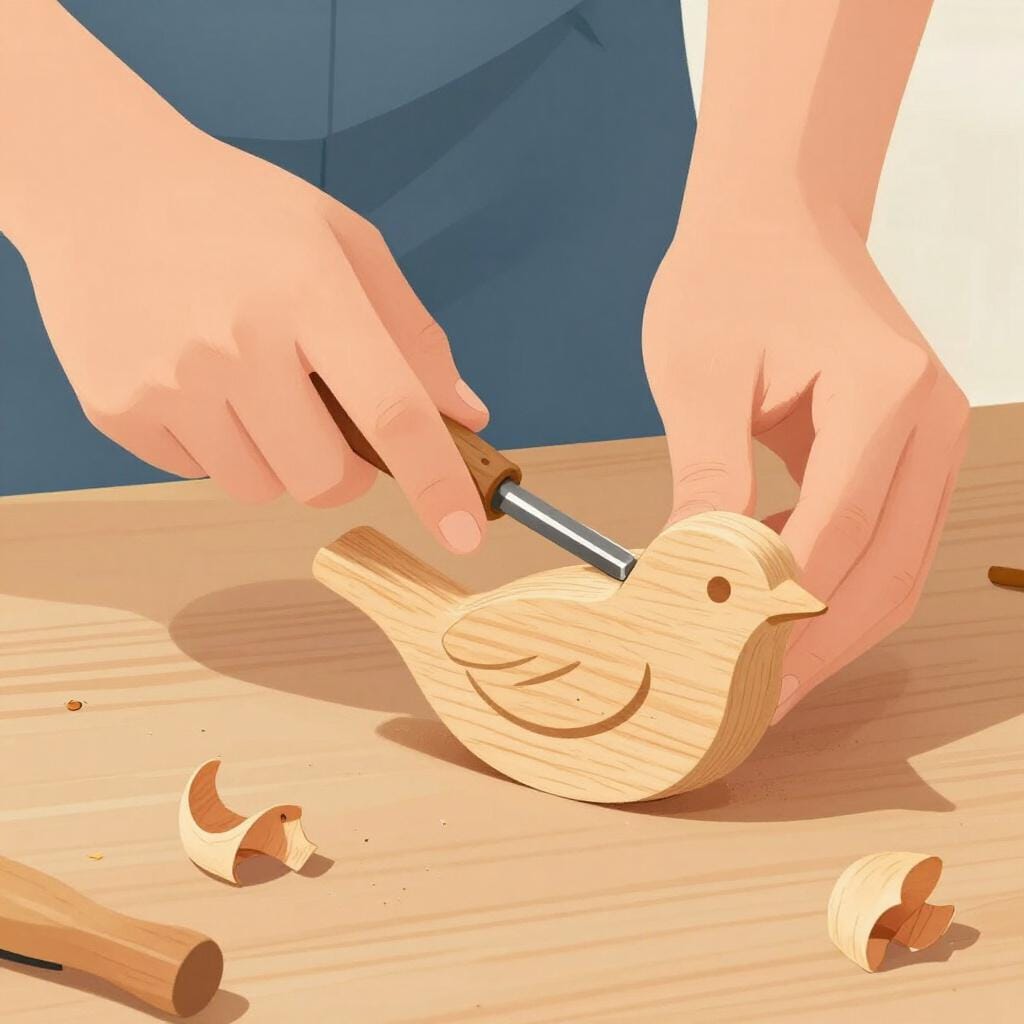
Use 'tallar' when the act of cutting involves shaping or carving a material, such as wood, stone, or precious gems.
Learn more →kor-tarkoɾˈtaɾ

Examples
Necesito cortar el pan para hacer sándwiches.
I need to cut the bread to make sandwiches.
Necesito cortar la carne en trozos pequeños para la cena.
I need to cut the meat into small pieces for dinner.
¿Puedes cortar el césped hoy? Está muy largo.
Can you mow the lawn today? It's very long.
Ten cuidado de no cortarte el dedo con ese cuchillo.
Be careful not to cut your finger with that knife.
Using 'Se' for Accidents
When talking about accidentally cutting yourself, Spanish often uses the 'se' structure: 'Se me cortó el dedo' (The finger cut itself to me), which means 'I cut my finger by accident'.
Confusing 'cortar' and 'romper'
Mistake: “Using 'romper' (to break) when you mean 'cortar' (to cut) something with a blade.”
Correction: Use 'cortar' for clean divisions (paper, hair) and 'romper' for tearing or smashing (glass, promises).
par-TEERpaɾˈtiɾ
Examples
¿Puedes partir la naranja por la mitad?
Can you cut the orange in half?
Necesito partir el pastel en ocho rebanadas iguales.
I need to cut the cake into eight equal slices.
Partieron la leña para la chimenea antes de la cena.
They split the firewood for the fireplace before dinner.
Ellos partieron la herencia entre los tres hermanos.
They divided the inheritance among the three siblings.
Transitive Use
In this sense, 'partir' is transitive, meaning the action directly affects something. You must always say what you are dividing or splitting.
ta-YARtaˈʝaɾ
Examples
El artista talló intrincados diseños en la madera.
The artist carved intricate designs into the wood.
El carpintero talló una figura hermosa en el tronco.
The carpenter carved a beautiful figure into the trunk.
Es difícil tallar el diamante con tanta precisión.
It is difficult to cut the diamond with such precision.
Los antiguos mayas tallaban la piedra para sus templos.
The ancient Mayans carved stone for their temples.
Working with Objects
This verb is used when you remove material to create a shape. If you are adding material (like clay), use 'modelar' instead.
Tallar vs. Cortar
Mistake: “Usar 'tallar' para cortar comida.”
Correction: Use 'cortar' for slicing bread or meat; 'tallar' is for artistic shaping or hard materials.
Cortar vs. Partir
The most common mistake is using 'cortar' for all food-related cutting. Remember that 'partir' is preferred when specifically dividing food into halves or equal portions, while 'cortar' is more general.
Related Translations
Learn Spanish with Inklingo
Interactive stories, personalized learning, and more.