How to Say "to hide" in Spanish
The most common Spanish word for “to hide” is “esconder” — use this for physically hiding an object or person from view, often with the intention of it not being found easily.

Use this for physically hiding an object or person from view, often with the intention of it not being found easily.
Learn more →
This is used for hiding a physical object or person, often implying a more deliberate or secretive concealment than 'esconder'.
Learn more →
Use this when the action of hiding involves covering something with another object, often for protection or concealment.
Learn more →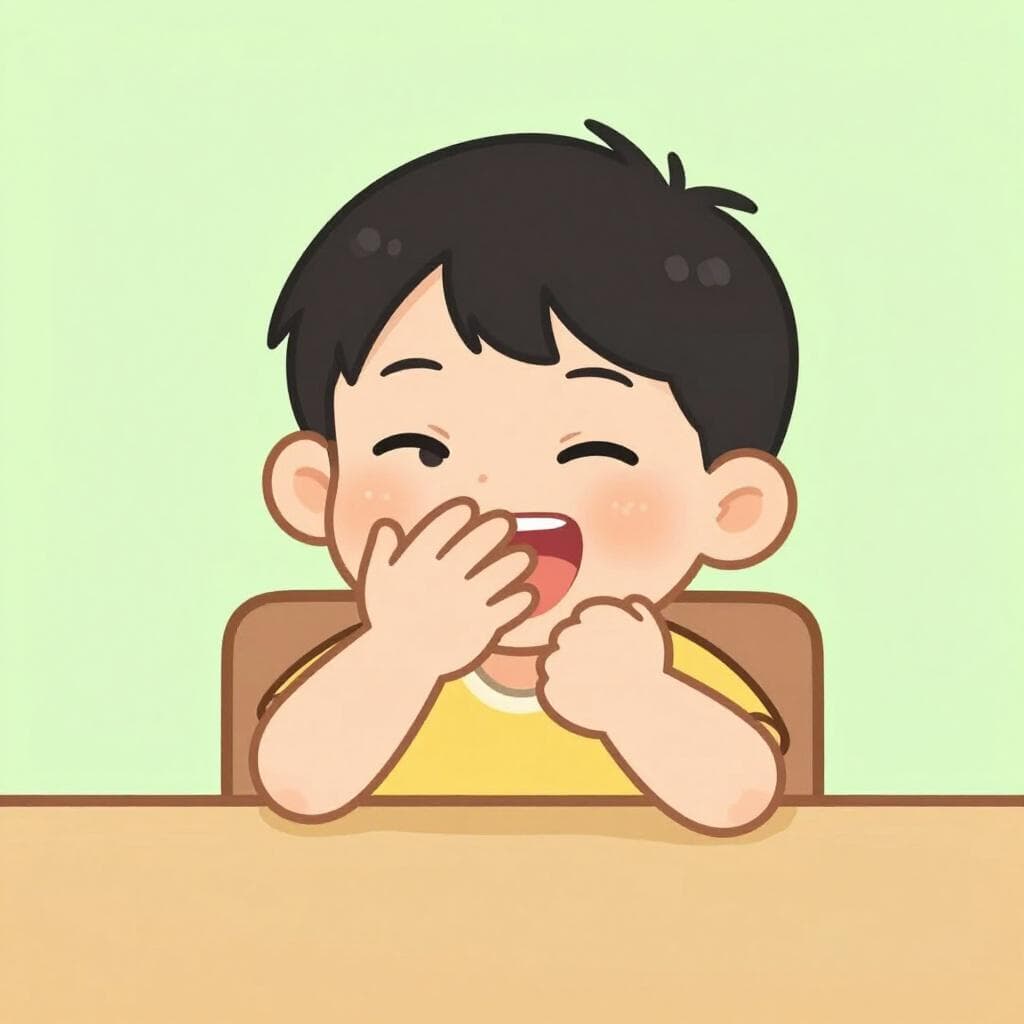
This verb specifically refers to hiding emotions, intentions, or true feelings, often by pretending or feigning something else.
Learn more →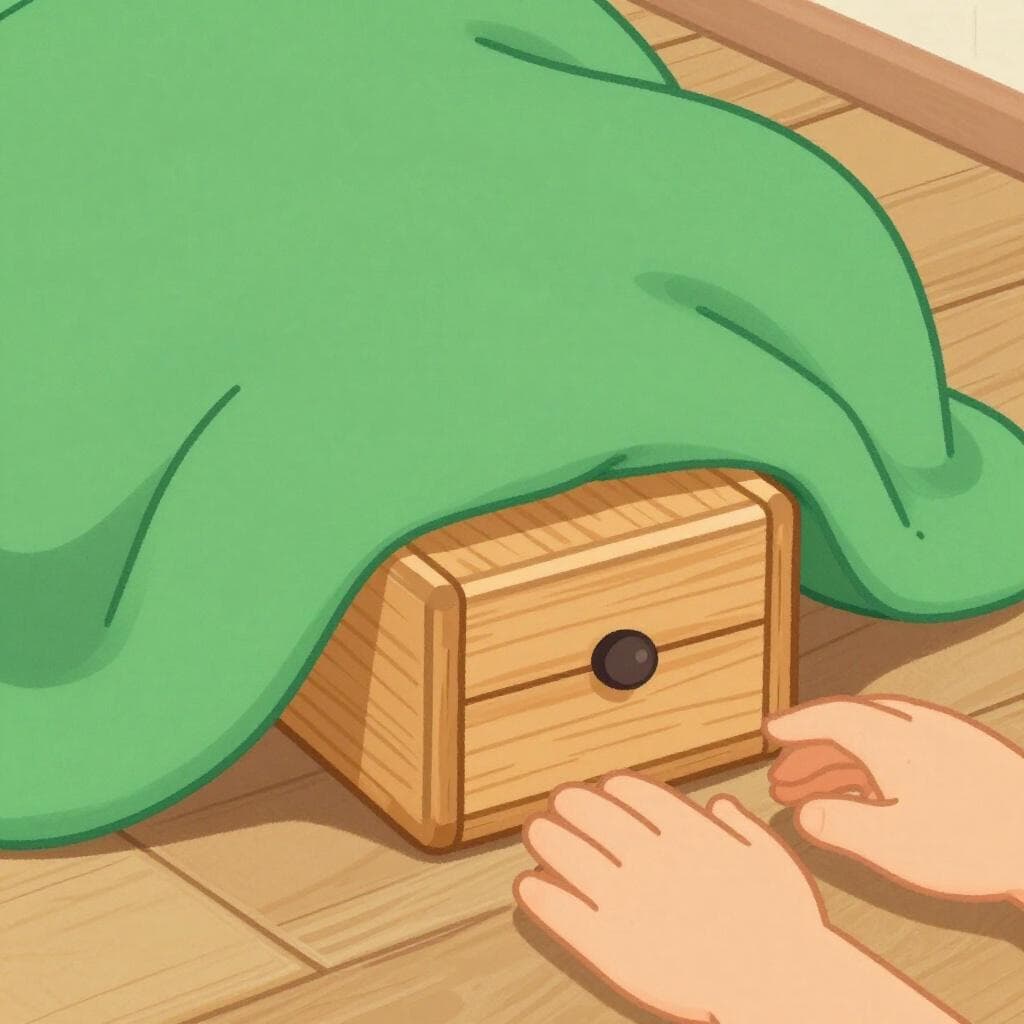
Use this when hiding the truth, a crime, or wrongdoing, often involving actively shielding someone or something from discovery.
Learn more →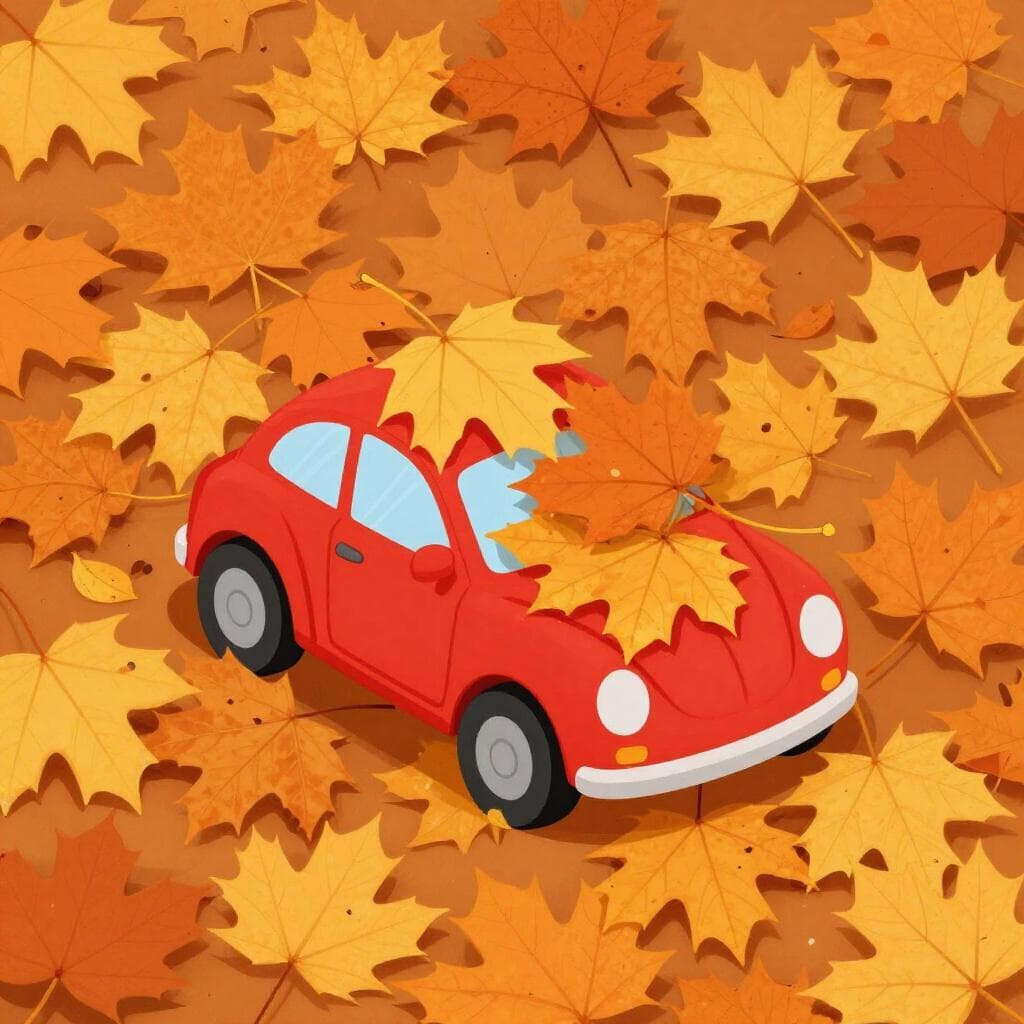
This is used metaphorically to describe hiding something deeply, like a secret, memory, or even physically burying something.
Learn more →ess-kohn-DEHRes.konˈdeɾ

Examples
Escondí el regalo para que nadie lo viera antes de la fiesta.
I hid the present so that no one would see it before the party.
Ella siempre esconde sus sentimientos detrás de una sonrisa.
She always conceals her feelings behind a smile.
¿Dónde escondiste las llaves del coche?
Where did you hide the car keys?
Requires an Object
When used transitively, 'esconder' must be followed by what is being hidden (the direct object). You can't just say 'Yo escondo' without saying what.
oh-kool-TAHRo.kulˈtaɾ

Examples
Ella ocultó las llaves debajo del felpudo.
She hid the keys under the doormat.
El sol se ocultó tras las montañas al anochecer.
The sun hid (set) behind the mountains at dusk.
Using the Reflexive Form
When the subject is hiding itself (like 'I hid myself'), you must use the reflexive form: 'ocultarse'. For example, 'Me oculté en el armario' (I hid in the closet).
Hiding Yourself
Mistake: “Yo oculté en el armario.”
Correction: Yo me oculté en el armario. (The action must reflect back onto the person doing the hiding.)
koo-BREERkuˈβriɾ

Examples
Ella siempre cubre el sofá con una manta para protegerlo.
She always covers the sofa with a blanket to protect it.
La nieve cubrió toda la montaña en una noche.
The snow covered the whole mountain in one night.
Para la pintura, debes cubrir las ventanas con papel.
For painting, you must cover the windows with paper.
Irregular Past Participle
Even though 'cubrir' is mostly regular, its past participle (the form used with 'haber' or as an adjective) is irregular: 'cubierto', not 'cubrido'. Always remember this exception!
Using 'cubrir' for closing things
Mistake: “Voy a cubrir la botella.”
Correction: Voy a tapar la botella. ('Tapar' is better when referring to putting a lid or stopper on something.)
dee-see-moo-LAHRdisimuˈlaɾ
Examples
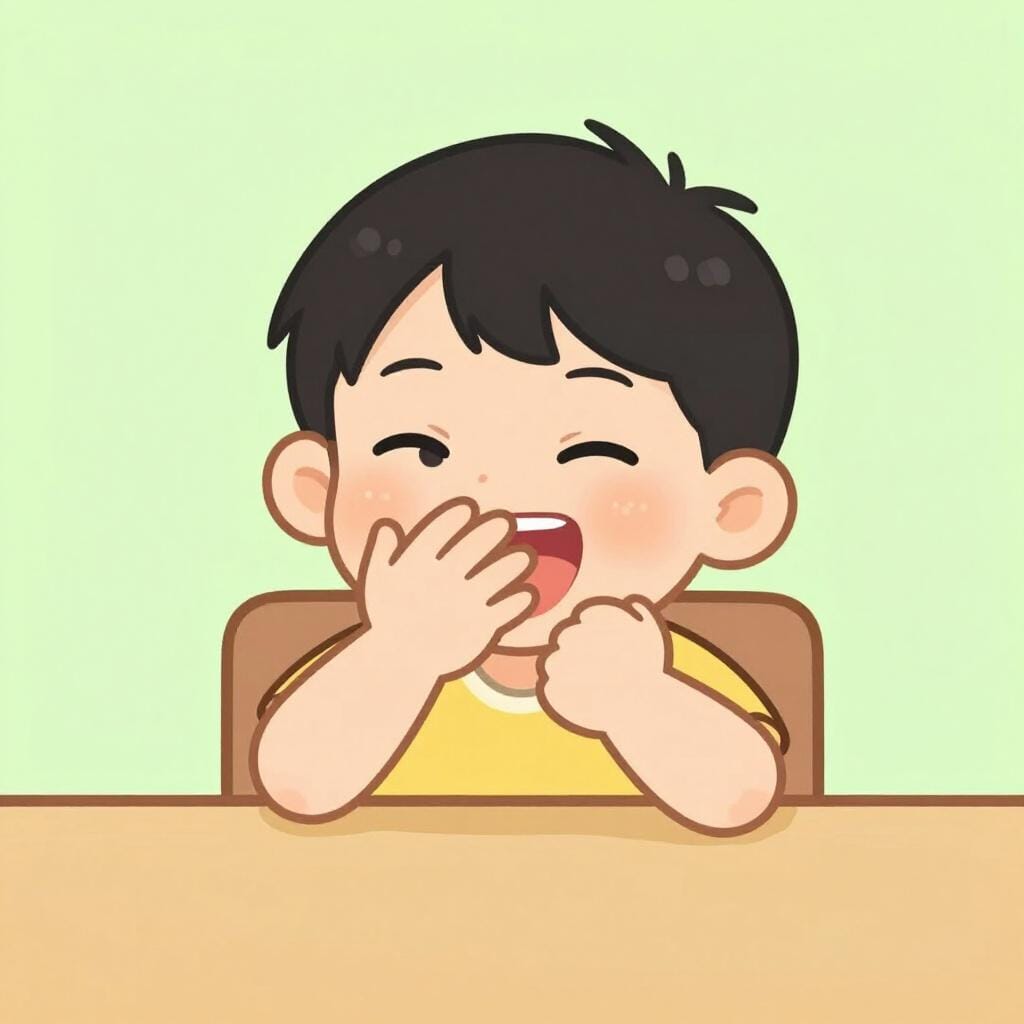
Ella intentó disimular su tristeza con una sonrisa.
She tried to hide her sadness with a smile.
Usa maquillaje para disimular la cicatriz.
She uses makeup to conceal the scar.
No puedes disimular que estás enojado conmigo.
You can't hide the fact that you are angry with me.
Using 'disimular' with 'que'
When you want to say someone is hiding the fact that something is happening, use 'disimular que' followed by a normal sentence. For example: 'Disimula que tiene miedo' (He hides that he is afraid).
It's completely regular
Good news! This verb follows the standard pattern for all '-ar' verbs in every tense, so you don't have to worry about weird spelling changes.
Disimular vs. Esconder
Mistake: “Using 'disimular' when you physically put an object inside a box.”
Correction: Use 'esconder' for physical objects you hide from sight. Use 'disimular' when you are trying to make something look different or less noticeable, like a stain on your shirt.
en-koo-BREERen.kuˈβɾiɾ

Examples
Ella intentó encubrir su tristeza con una gran sonrisa.
She tried to hide her sadness with a big smile.
La densa niebla encubría el valle por completo.
The thick fog concealed the valley completely.
Es difícil encubrir la falta de experiencia en este trabajo.
It's hard to mask the lack of experience in this job.
A special 'done' form
Even though the rest of the verb is regular, the 'past participle' (the form used for things like 'I have hidden') is 'encubierto,' not 'encubrido.'
Action vs. Result
Use 'encubrir' for the active process of trying to hide something, especially something that shouldn't be hidden.
Using the wrong participle
Mistake: “He encubrido la verdad.”
Correction: He encubierto la verdad. (The word 'encubrir' follows the pattern of 'cubrir,' which uses 'cubierto').
seh-pool-TAHRse.pulˈtaɾ
Examples
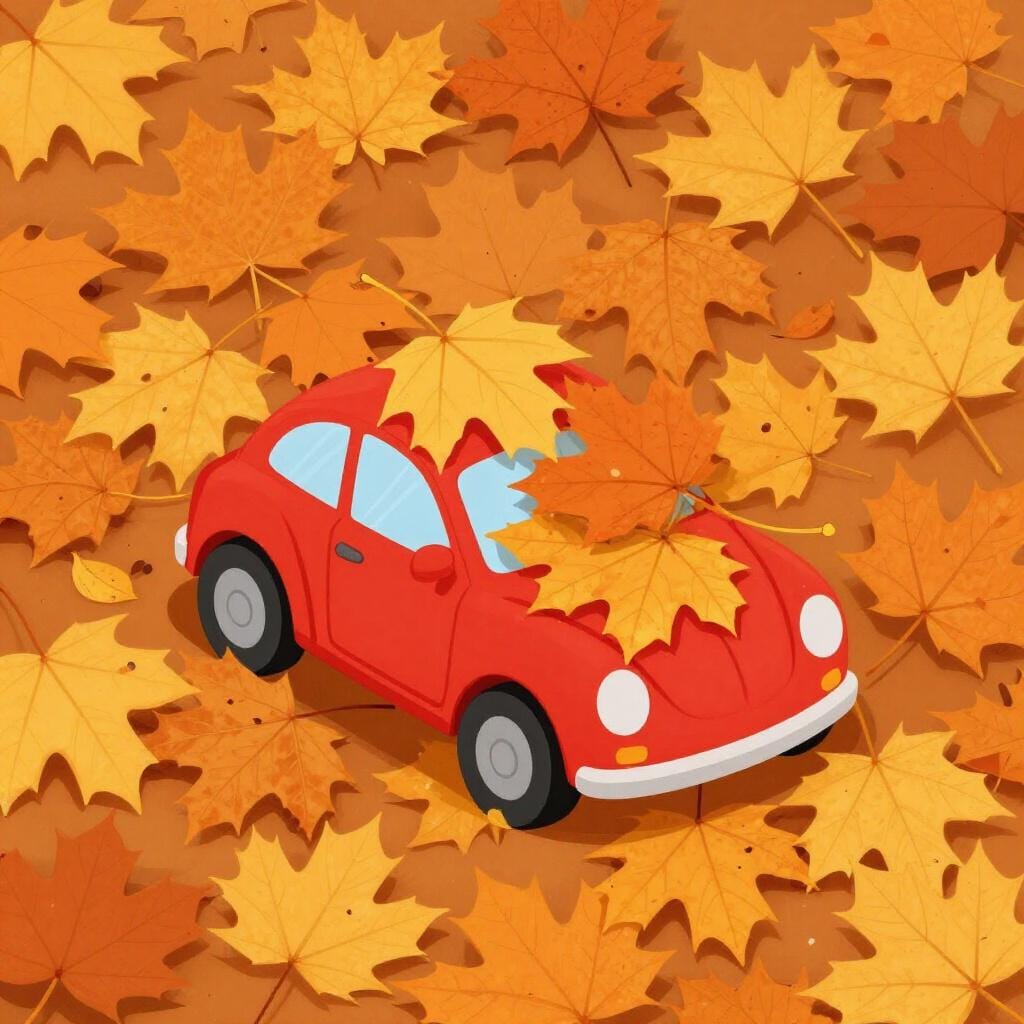
La avalancha sepultó el pequeño pueblo bajo la nieve.
The avalanche buried the small village under the snow.
Intentó sepultar sus miedos en el trabajo constante.
He tried to bury his fears in constant work.
Ese escándalo sepultó su carrera política para siempre.
That scandal buried his political career forever.
Burying things vs. ideas
You can use this word for physical things (like a car in snow) and invisible things (like a memory). It works exactly like the English word 'bury' in that way.
Preposition Choice
Mistake: “La nieve sepultó el coche en escombros.”
Correction: Use 'bajo' (under) or 'entre' (among) to show what is covering the object: 'sepultó el coche bajo la nieve'.
Confusing Hiding Objects vs. Feelings
Learners often confuse 'esconder'/'ocultar' (for objects/people) with 'disimular' (for feelings/intentions). Remember, if you're hiding what you feel or plan to do, use 'disimular'. For physical items, 'esconder' or 'ocultar' are usually the correct choices.
Related Translations
Learn Spanish with Inklingo
Interactive stories, personalized learning, and more.