How to Say "to jam" in Spanish
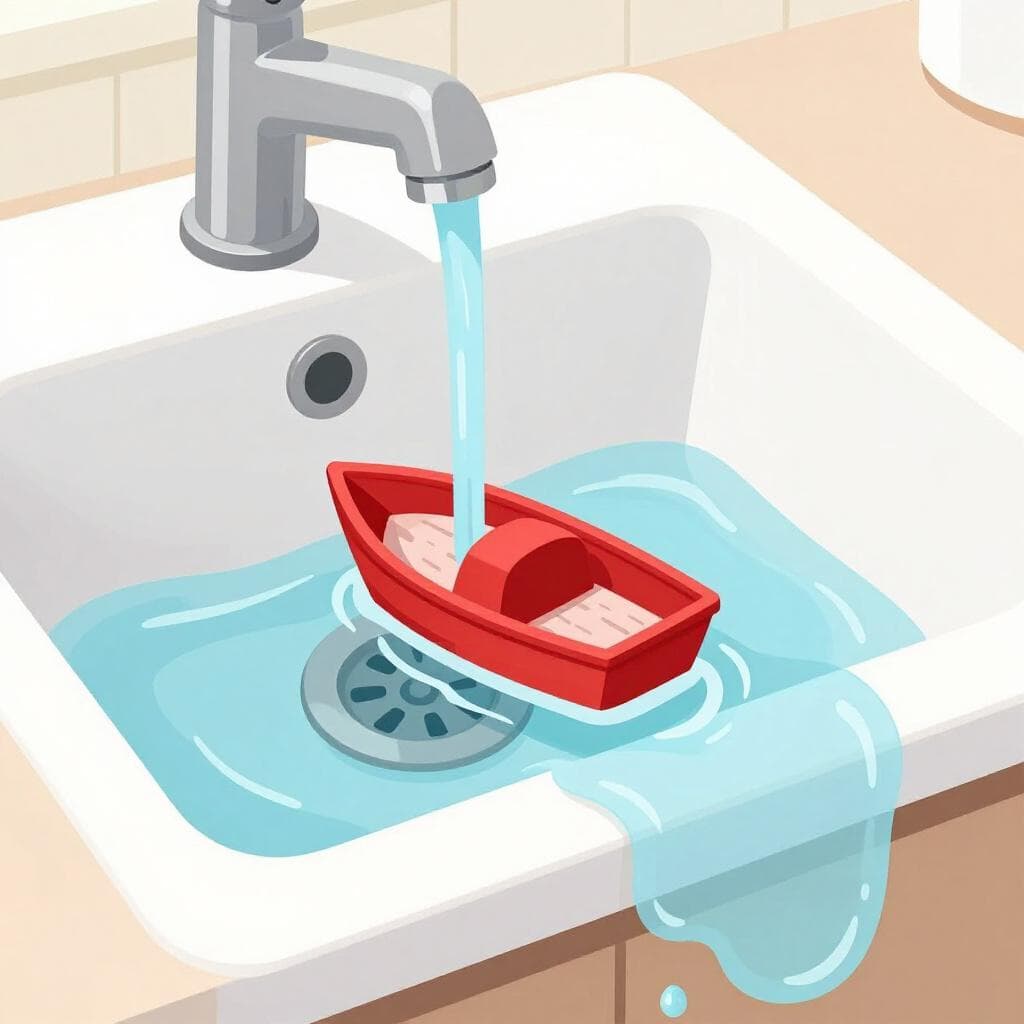
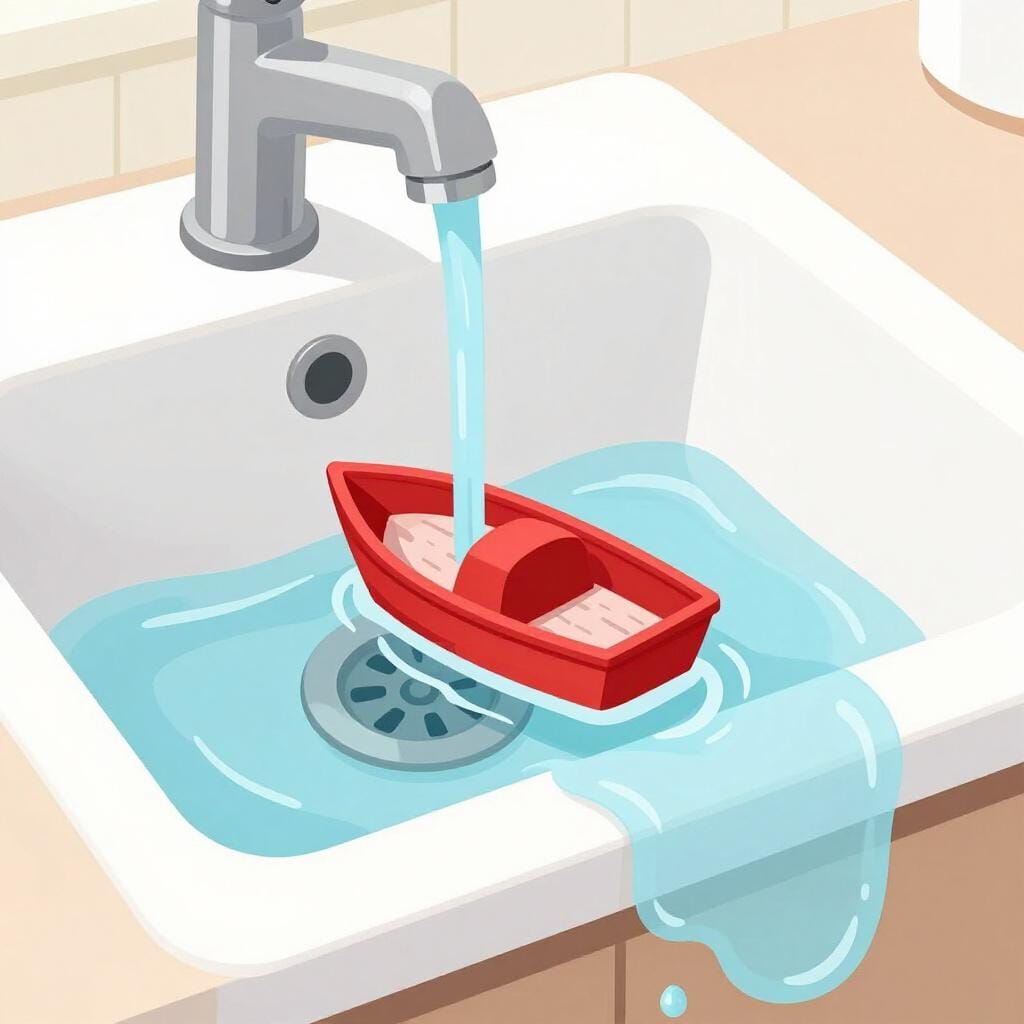
The most common Spanish word for “to jam” is “atorar” — use 'atorar' when something physically gets stuck or blocked, like a machine part, a pipe, or food in your throat.

atorar
ah-toh-RARatoˈɾaɾ
Examples
El exceso de papel atoró la tubería del baño.
Too much paper clogged the bathroom pipe.
Ten cuidado, no atores la fotocopiadora con tantas hojas.
Be careful, don't jam the photocopier with so many sheets.
La nieve atoró la entrada de la cochera.
The snow blocked the garage entrance.
Active vs. Passive Blocking
Use 'atorar' when a specific thing is causing the block (e.g., the paper jammed the printer). If something gets stuck on its own, you'll need the reflexive version 'atorarse'.
Confusing with 'ahogar'
Mistake: “La basura ahogó el fregadero.”
Correction: La basura atoró el fregadero. (Use 'ahogar' for drowning in water or suffocating; use 'atorar' for physical blocks like trash in a drain).
interferir
een-tehr-feh-REERinteɾfeˈɾiɾ
Examples
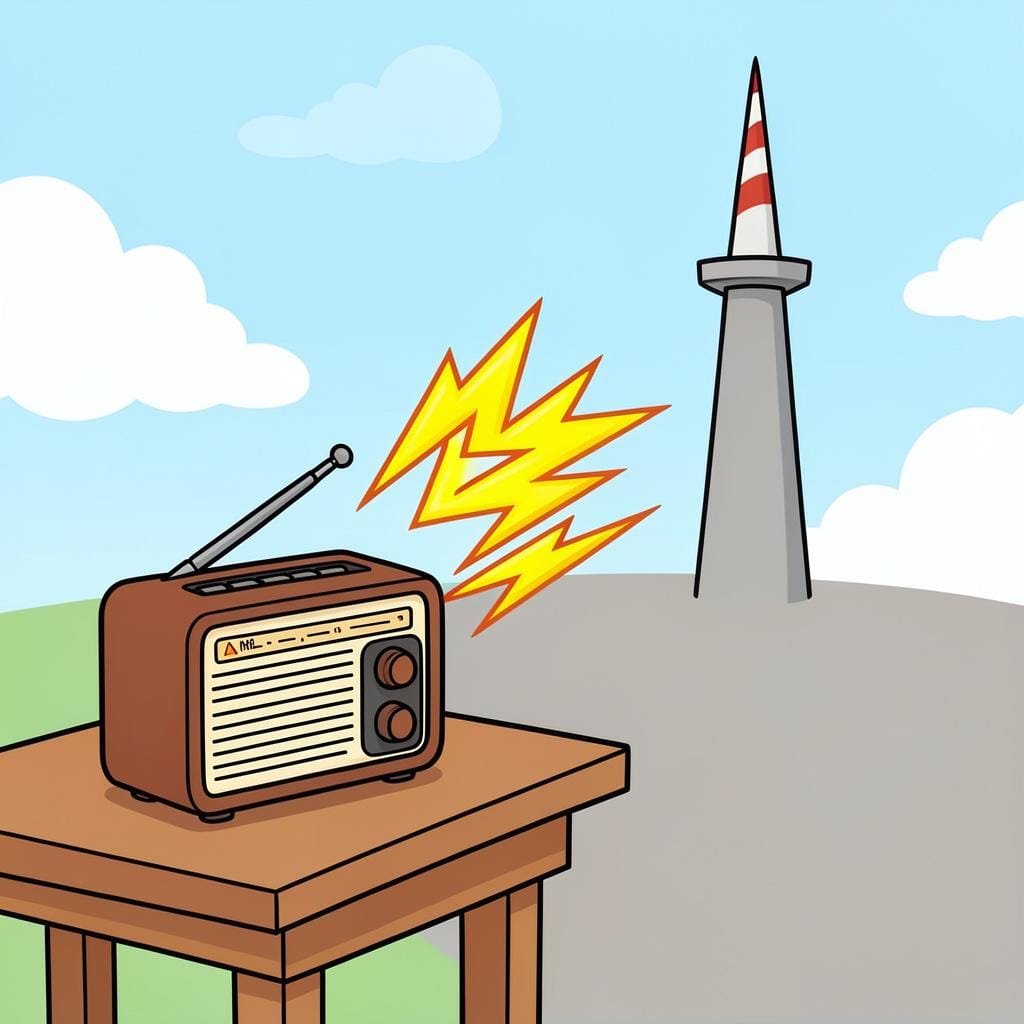
El muro de concreto interfiere con la señal de Wi-Fi.
The concrete wall interferes with the Wi-Fi signal.
Las frecuencias de radio pueden interferir entre sí.
Radio frequencies can interfere with each other.
Using 'Con' for Physics
When talking about physical things like signals or waves blocking each other, we use 'con' instead of 'en'.
Physical vs. Signal Jamming
Related Translations
Learn Spanish with Inklingo
Interactive stories, personalized learning, and more.