How to Say "to clash" in Spanish
The most common Spanish word for “to clash” is “chocar” — use 'chocar' when referring to ideas, opinions, or personalities that are incompatible or create friction.



chocar
cho-KARtʃoˈkaɾ

Examples
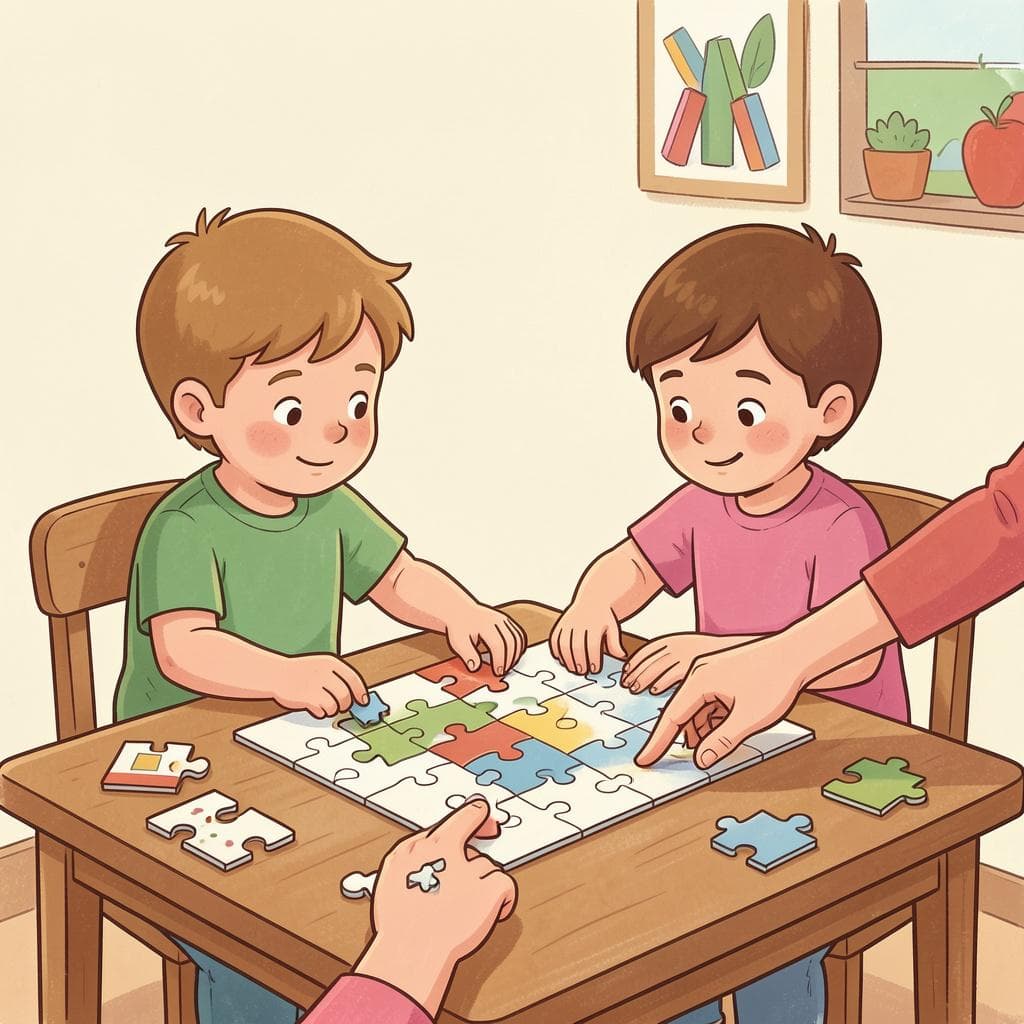
Me choca que no me haya llamado.
It shocks/surprises me that he hasn't called me.
Sus ideas chocan con las mías.
His ideas clash with mine.
Le choca ver tanta gente en la calle.
It surprises him to see so many people in the street.
The 'Gustar' Structure
When 'chocar' means 'to shock' or 'to surprise,' it works like the verb 'gustar.' You say 'Me choca' (It shocks me) rather than 'Yo choco' (I shock).
Triggering the Mood change
When you say 'Me choca que...' (It shocks me that...), the verb that follows must change its form (subjunctive), e.g., 'Me choca que estés aquí'.
Confusing 'I am shocked' with 'I crash'
Mistake: “Yo choco con su actitud.”
Correction: Me choca su actitud (Use 'Me' to show how it affects you emotionally).
enfrentar
en-fren-TARem.fɾenˈtaɾ

Examples
Los dos equipos se enfrentarán en la final mañana.
The two teams will face off in the final tomorrow.
Ellos se enfrentaron por el control de la empresa.
They clashed over the control of the company.
Marta se enfrentó a su jefe sobre el horario.
Marta confronted her boss about the schedule.
The 'Se' Particle
When you use 'enfrentarse,' the small word 'se' (or 'me,' 'te,' 'nos,' etc.) shows that the action is either mutual (they confront each other) or that the subject is initiating a confrontation against something, usually followed by 'a' or 'con'.
Using the wrong preposition
Mistake: “Se enfrentaron por el jefe.”
Correction: Se enfrentaron *con* el jefe. (Use 'con' or 'a' to introduce the person or thing being confronted.)
interferir
een-tehr-feh-REERinteɾfeˈɾiɾ
Examples
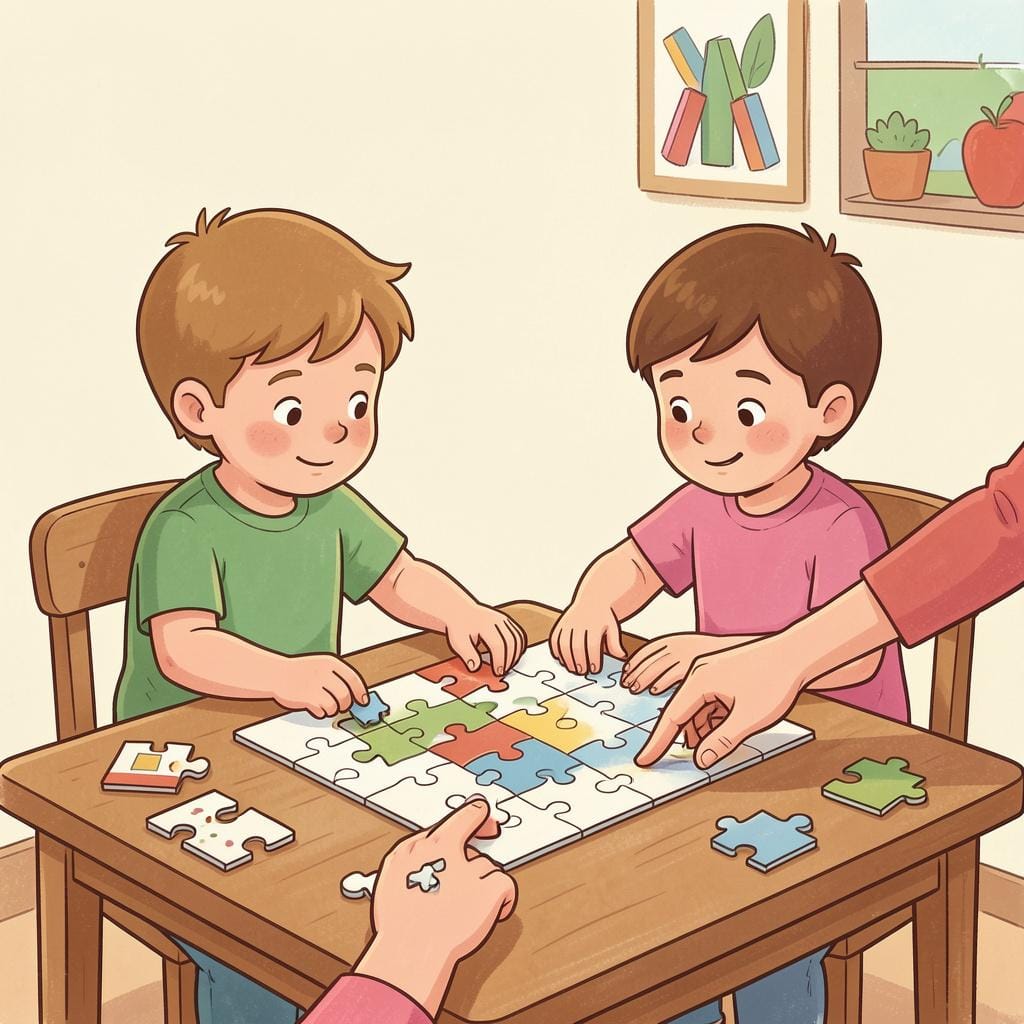
No quiero interferir en tus decisiones personales.
I don't want to interfere in your personal decisions.
Mi trabajo nuevo interfiere con mis clases de la tarde.
My new job clashes with my afternoon classes.
Deja de interferir; ellos pueden resolverlo solos.
Stop meddling; they can solve it themselves.
The 'E' to 'IE' Change
For most present tense forms, the middle 'e' changes to 'ie' when you stress it (e.g., Yo interfiero). It stays 'e' when you don't stress that part (e.g., Nosotros interferimos).
Preposition 'En'
When talking about getting involved in a situation or someone's life, you almost always use the word 'en' after interferir.
Using 'Con' instead of 'En'
Mistake: “No quiero interferir con tu vida.”
Correction: No quiero interferir en tu vida. While 'con' is used for signals or schedules, 'en' is the standard for personal/social interference.
chillar
chee-YARt͡ʃiˈʝaɾ
Examples
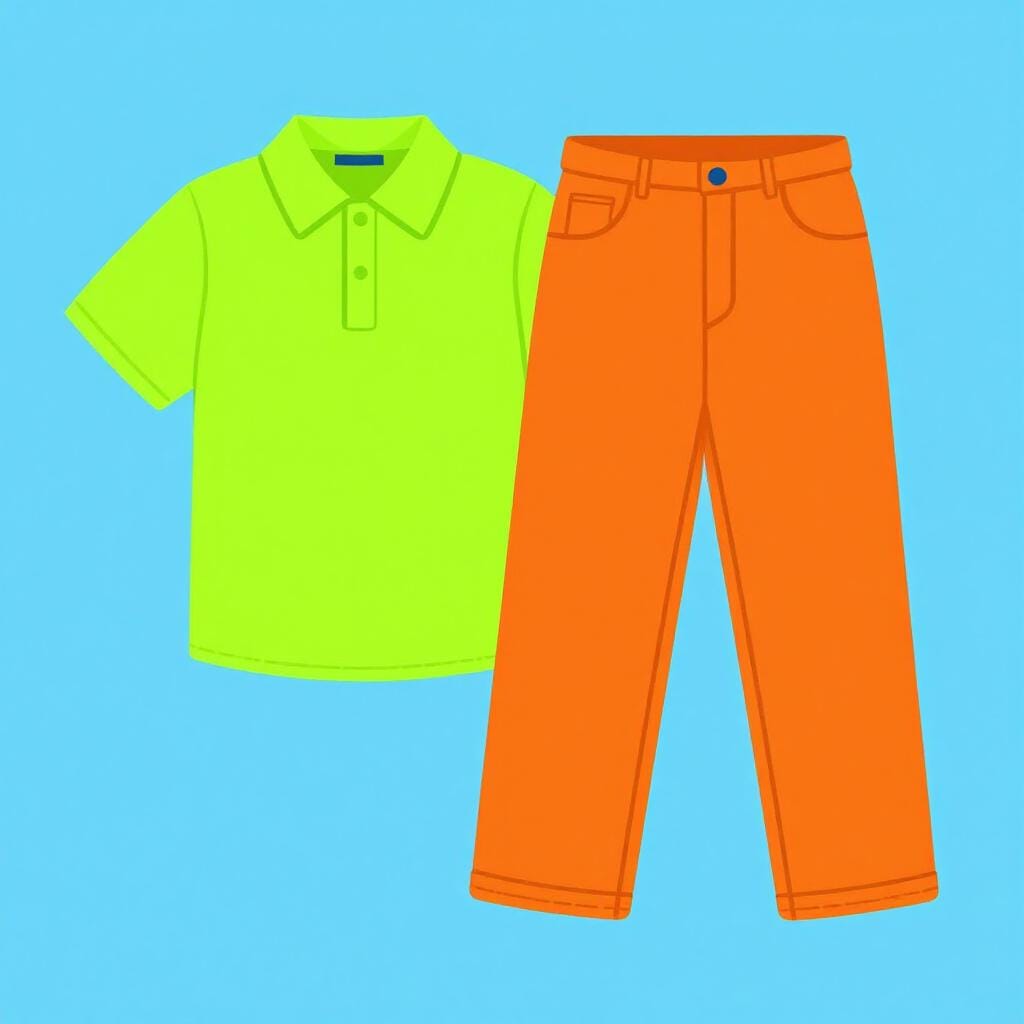
Ese color verde chilla un poco con la pared azul.
That green color clashes a bit with the blue wall.
Lleva una corbata que chilla.
He's wearing a tie that's really loud (gaudy).
Visual 'Noise'
Just like in English we say a shirt is 'loud,' Spanish uses 'chillar' to describe colors that 'scream' for attention or don't go together.
Chocar vs. Enfrentar
Related Translations
Learn Spanish with Inklingo
Interactive stories, personalized learning, and more.