How to Say "to creak" in Spanish
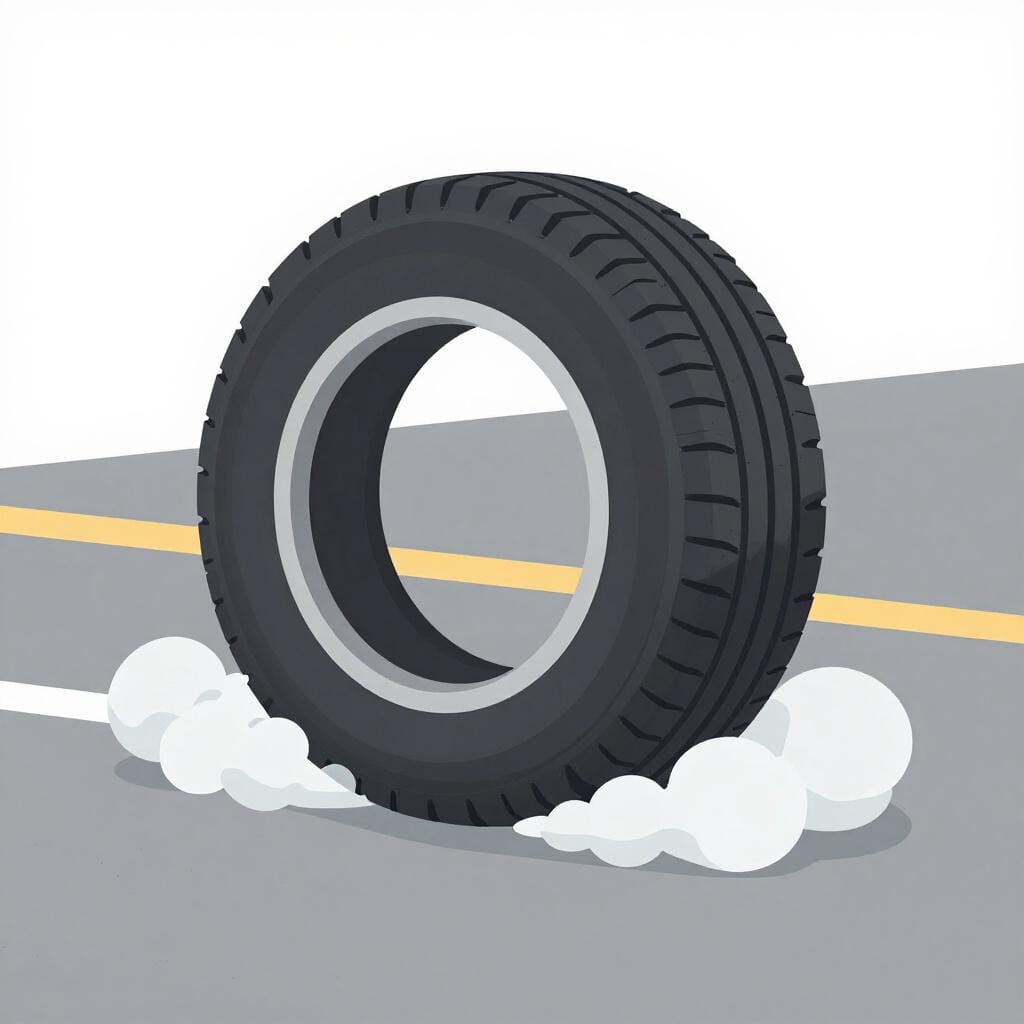
The most common Spanish word for “to creak” is “chillar” — use 'chillar' for sharp, high-pitched creaking sounds, often associated with friction, like car brakes or old doors opening.
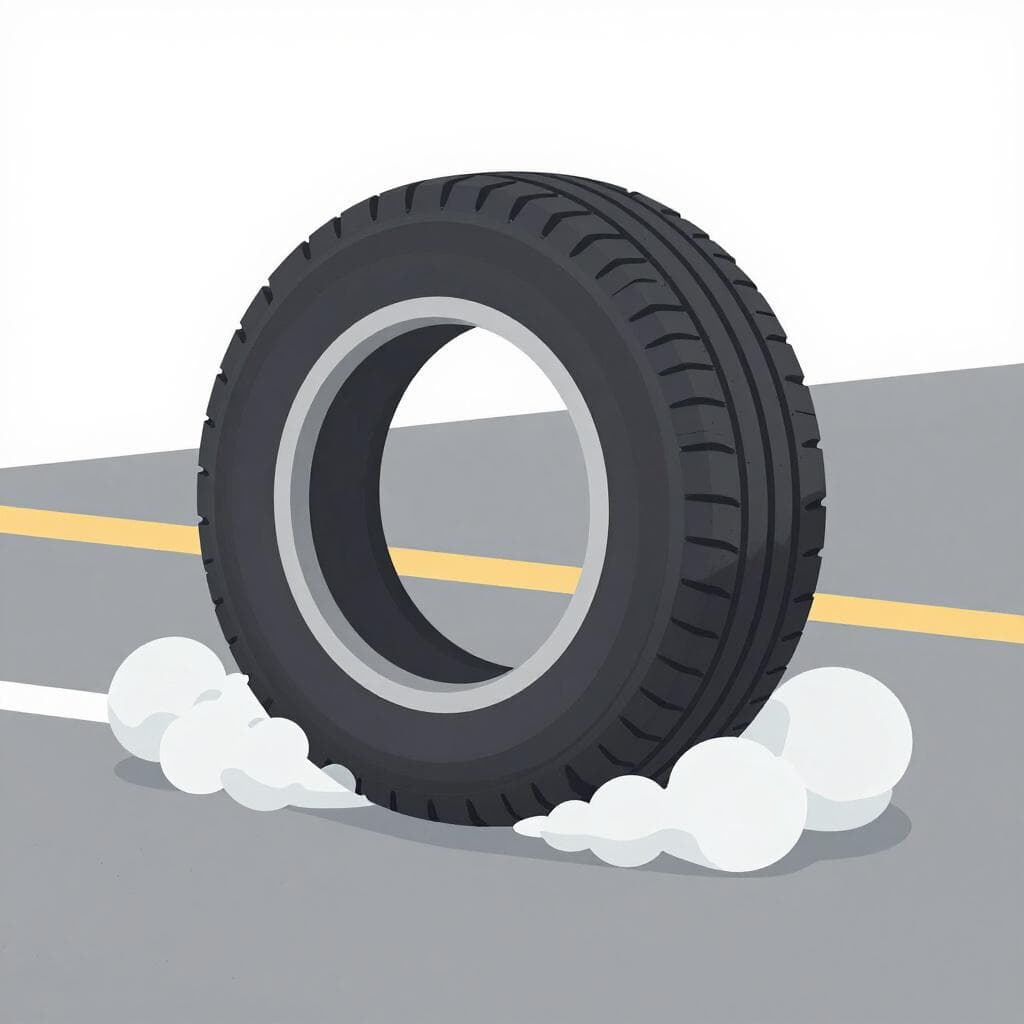
Use 'chillar' for sharp, high-pitched creaking sounds, often associated with friction, like car brakes or old doors opening.
Learn more →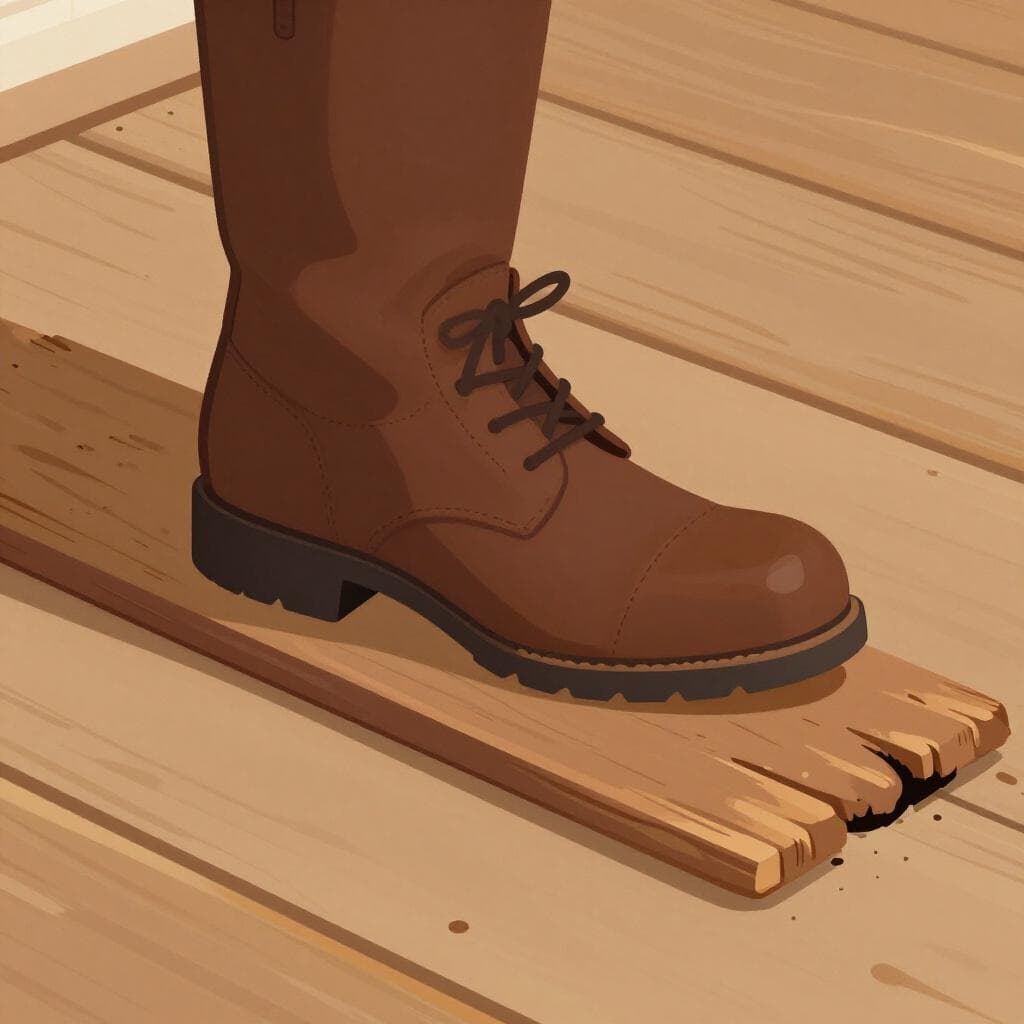
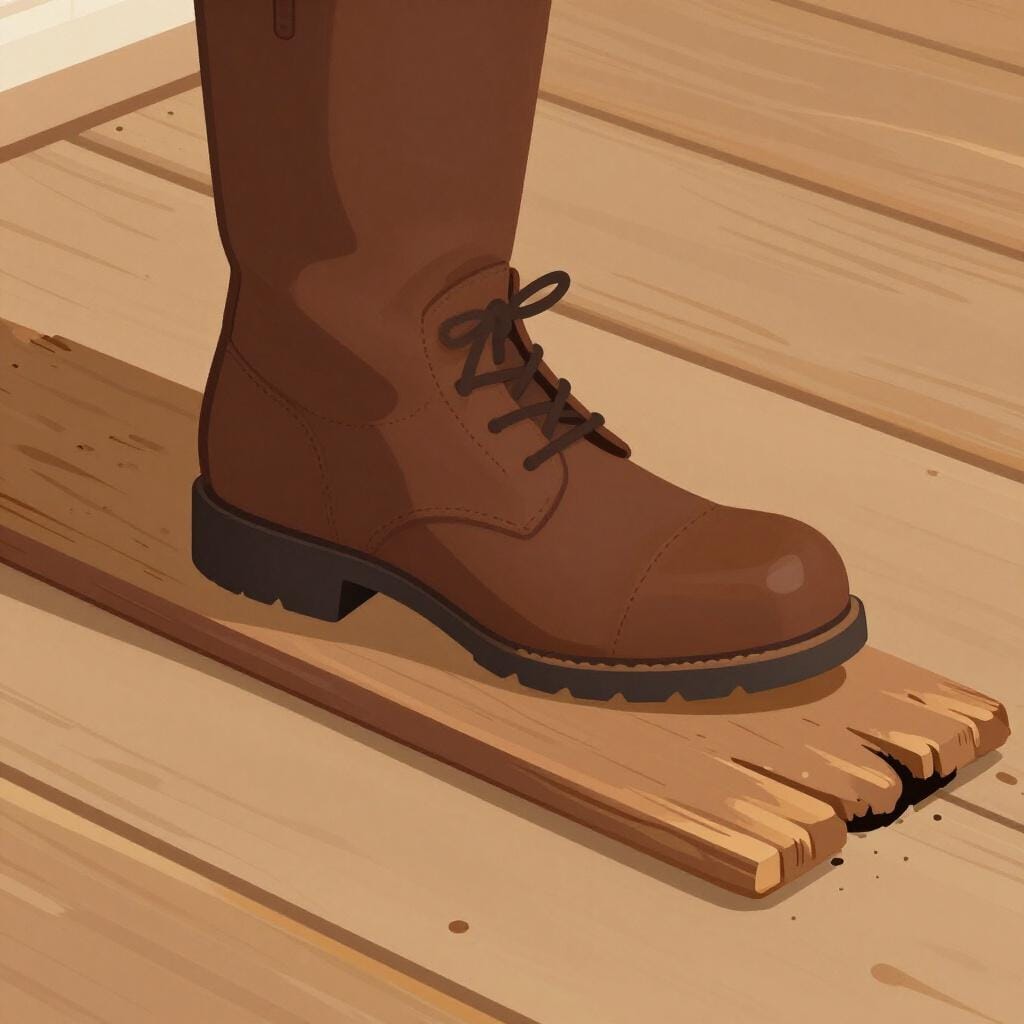
Choose 'gemir' for a deeper, groaning creak, typically made by wood or structures under significant stress or strain, like a house in the wind.
Learn more →
While primarily meaning 'to complain', 'quejarse' can be used metaphorically for objects, especially old wood, making a complaining or groaning sound.
Learn more →
Use 'regañar' for a sharp, almost barking or growling sound made by an object, similar to an animal's reprimand; it's less common for typical creaking.
Learn more →chee-YARt͡ʃiˈʝaɾ
Examples
Los frenos del coche empezaron a chillar.
The car brakes started to screech.
La puerta chilla cada vez que la abres.
The door squeaks every time you open it.
Oigo algo chillar en el jardín, parece un ratón.
I hear something squeaking in the garden, it sounds like a mouse.
Sounds made by things
When things (like tires or doors) make noise in Spanish, we often personify them by using 'chillar' just like we do for people.
heh-MEERxeˈmiɾ
Examples
Las maderas de la vieja casa gemían con el viento.
The wood of the old house creaked with the wind.
Se oía al viento gemir entre los pinos.
You could hear the wind moaning among the pines.
keh-HAR-sehkeˈxaɾse

Examples
El viejo armario se quejaba cada vez que lo abría.
The old wardrobe creaked every time I opened it.
El paciente se quejaba de un fuerte dolor en la pierna.
The patient was groaning from a strong pain in his leg.
Oí a alguien quejarse en la otra habitación.
I heard someone groaning in the other room.
Physical sounds
When used for physical pain, the verb still requires the reflexive pronouns (me, te, se, etc.).
reh-gah-NYAHRreɡaˈɲaɾ

Examples
La puerta de metal empezó a regañar al cerrarse.
The metal door started to creak/grind when closing.
El perro empezó a regañar cuando vio al extraño.
The dog started to growl when he saw the stranger.
Animal usage
When used for animals, it usually describes that low, vibrating sound they make before they bark or bite.
Chillar vs. Gemir: The Sound Quality
Learners often confuse 'chillar' and 'gemir'. Remember that 'chillar' describes a higher-pitched, sharper sound (like a screech), while 'gemir' implies a lower, deeper, groaning sound, usually from something under pressure.
Related Translations
Learn Spanish with Inklingo
Interactive stories, personalized learning, and more.