regañar
“regañar” means “to scold” in Spanish. It has 2 different meanings depending on context:

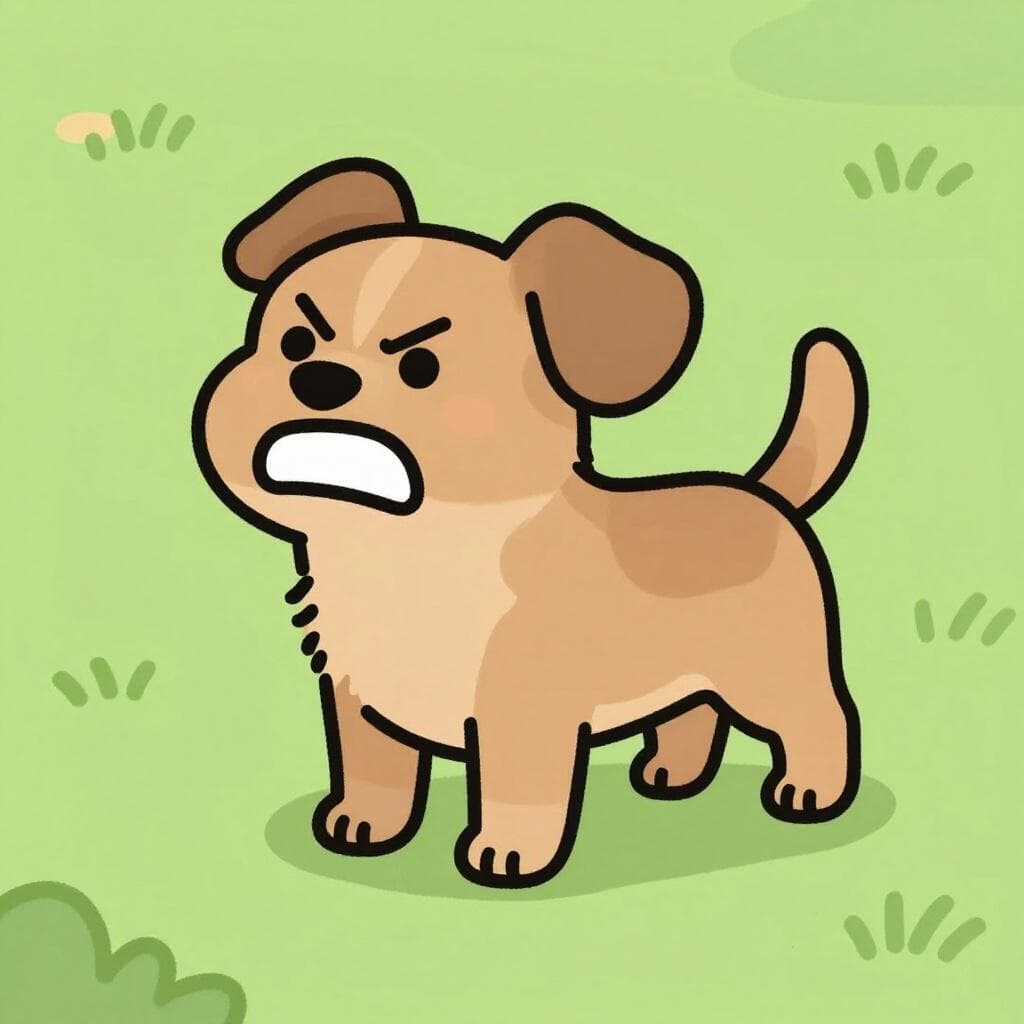
to scoldAlso: to tell off, to reprimand

📝 In Action
Mi madre me regañó por llegar tarde.
A2My mother scolded me for arriving late.
La profesora regaña a los estudiantes que no hacen la tarea.
A2The teacher tells off the students who don't do their homework.
No me regañes, ya sé que cometí un error.
B1Don't scold me, I already know I made a mistake.
Word Connections
to growl/snarlAlso: to creak
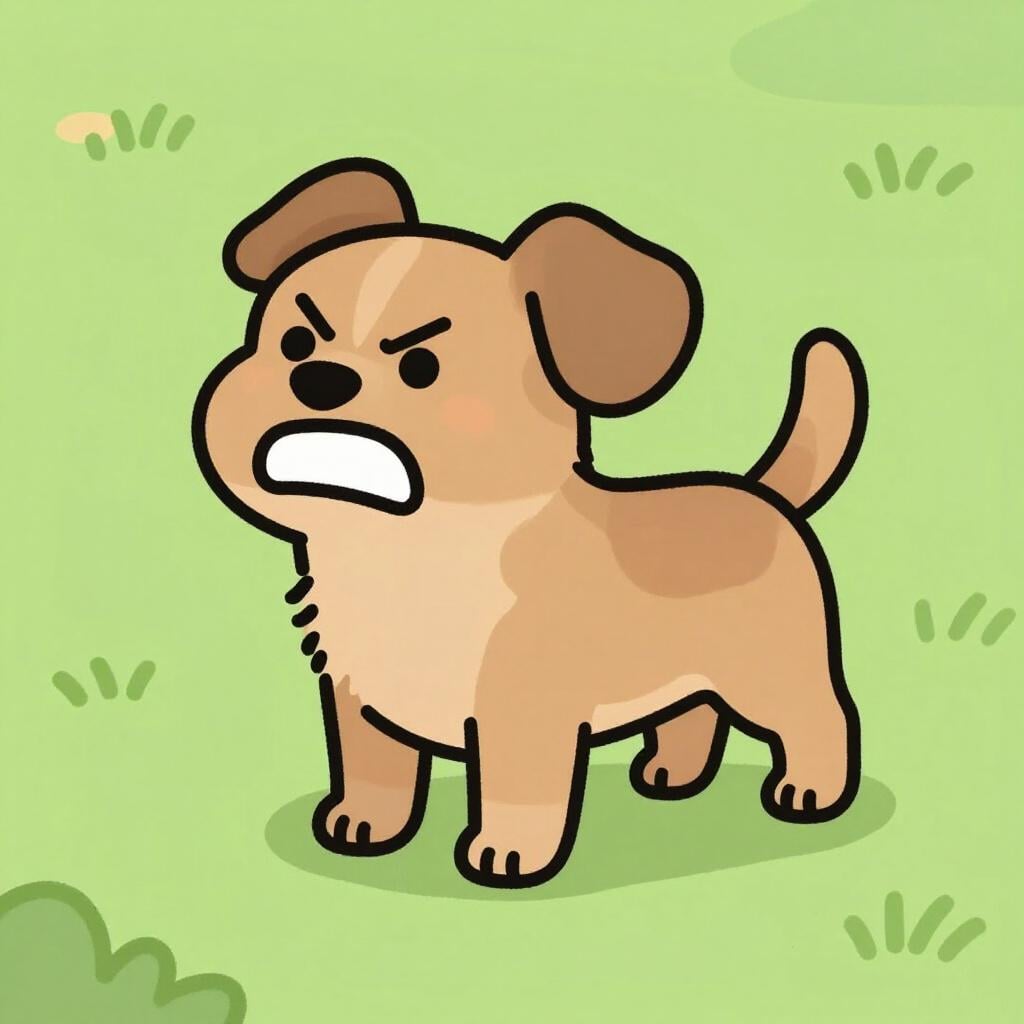
📝 In Action
El perro empezó a regañar cuando vio al extraño.
B2The dog started to growl when he saw the stranger.
Word Connections
Subjunctive
Imperfect Subjunctive
Present Subjunctive
Indicative
Preterite
Imperfect
Present
Translate to Spanish
Words that translate to "regañar" in Spanish:
✏️ Quick Practice
Quick Quiz: regañar
Question 1 of 3
Which sentence means 'My boss scolded me'?
📚 More Resources
👥 Word Family
🎵 Rhymes
📚 Etymology
From the older Spanish word 'gañir', which meant to howl or yelp like a dog. Over time, it evolved to describe the sound of human scolding.
First recorded: 13th century
Cognates (Related words)
💡 Master Spanish
Take your Spanish to the next level. Read 200+ illustrated and narrated Spanish stories tailored to your level with the Inklingo app!
Frequently Asked Questions
What is the difference between 'regañar' and 'reñir'?
They are very similar. 'Regañar' is the most common word for scolding someone (like a parent to a child). 'Reñir' can also mean scolding, but it often implies a mutual argument or a more formal fight between equals.
Can I use 'regañar' for my boss at work?
Yes, but it sounds a bit like the boss is a parent treating you like a child. For a more professional setting, you might hear 'reprender' or 'dar un toque'.
Does 'regañar' always need the letter 'a' after it?
If you are scolding a person or a pet, yes! This is called the 'personal a'. For example: 'Regaño a Juan'.