How to Say "to moan" in Spanish
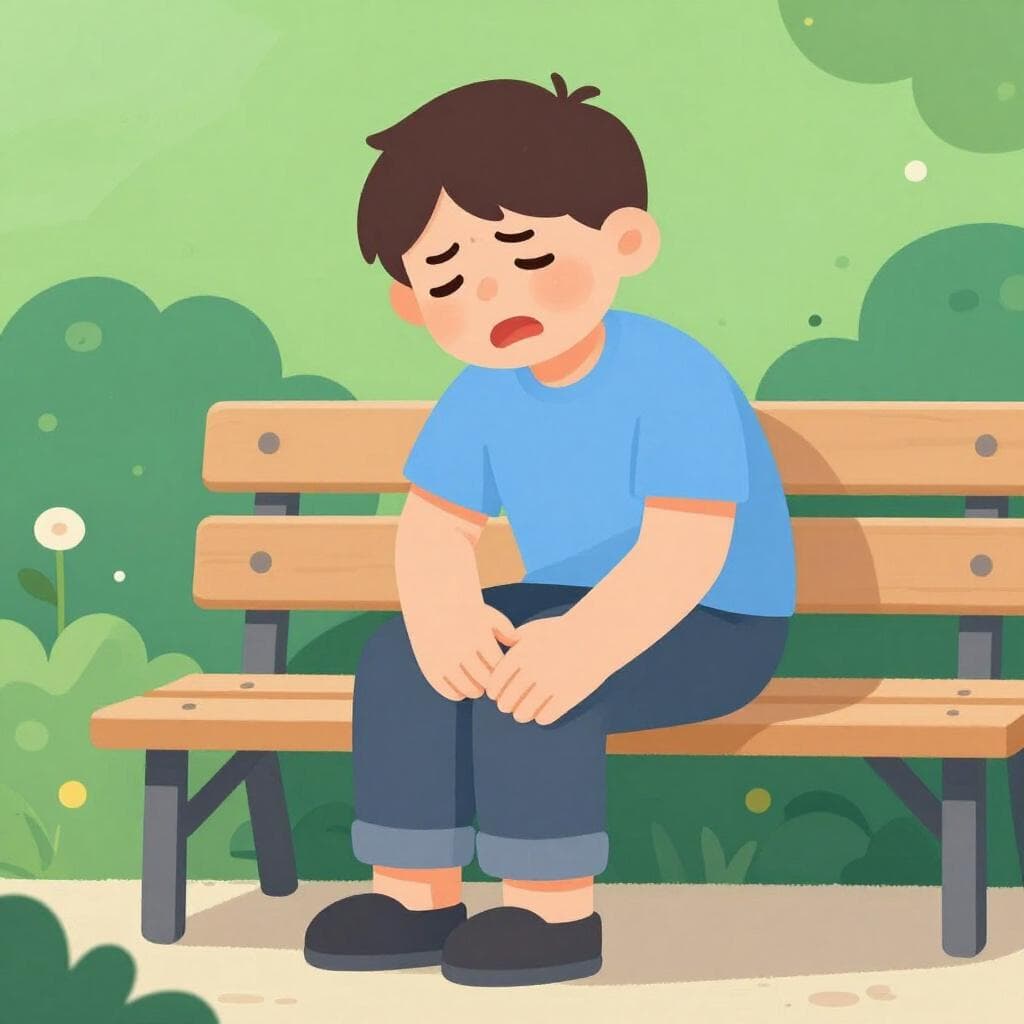
The most common Spanish word for “to moan” is “gemir” — use 'gemir' when the sound expresses physical pain, intense suffering, or sometimes deep pleasure.

gemir
heh-MEERxeˈmiɾ

Examples
El herido empezó a gemir mientras esperaba la ambulancia.
The injured man began to groan while waiting for the ambulance.
El perro gime frente a la puerta porque quiere salir.
The dog is whining at the door because he wants to go out.
Gimió de dolor cuando el doctor tocó su pierna.
He groaned with pain when the doctor touched his leg.
The 'E' to 'I' Switch
In many forms, the 'e' in gemir changes to an 'i'. Think of it like the word 'pedir'. This happens in the present tense (gimo) and even in the 'they' form of the past (gimieron).
Using 'de' for the Cause
When you want to say why someone is moaning, use 'de'. For example: 'gemir de tristeza' (to moan with sadness).
Gemir vs. Quejarse
Mistake: “Using gemir to mean 'complaining' about a situation.”
Correction: Use 'quejarse' for verbal complaints. 'Gemir' is specifically the physical sound made by the throat.
quejarse
keh-HAR-sehkeˈxaɾse
Examples
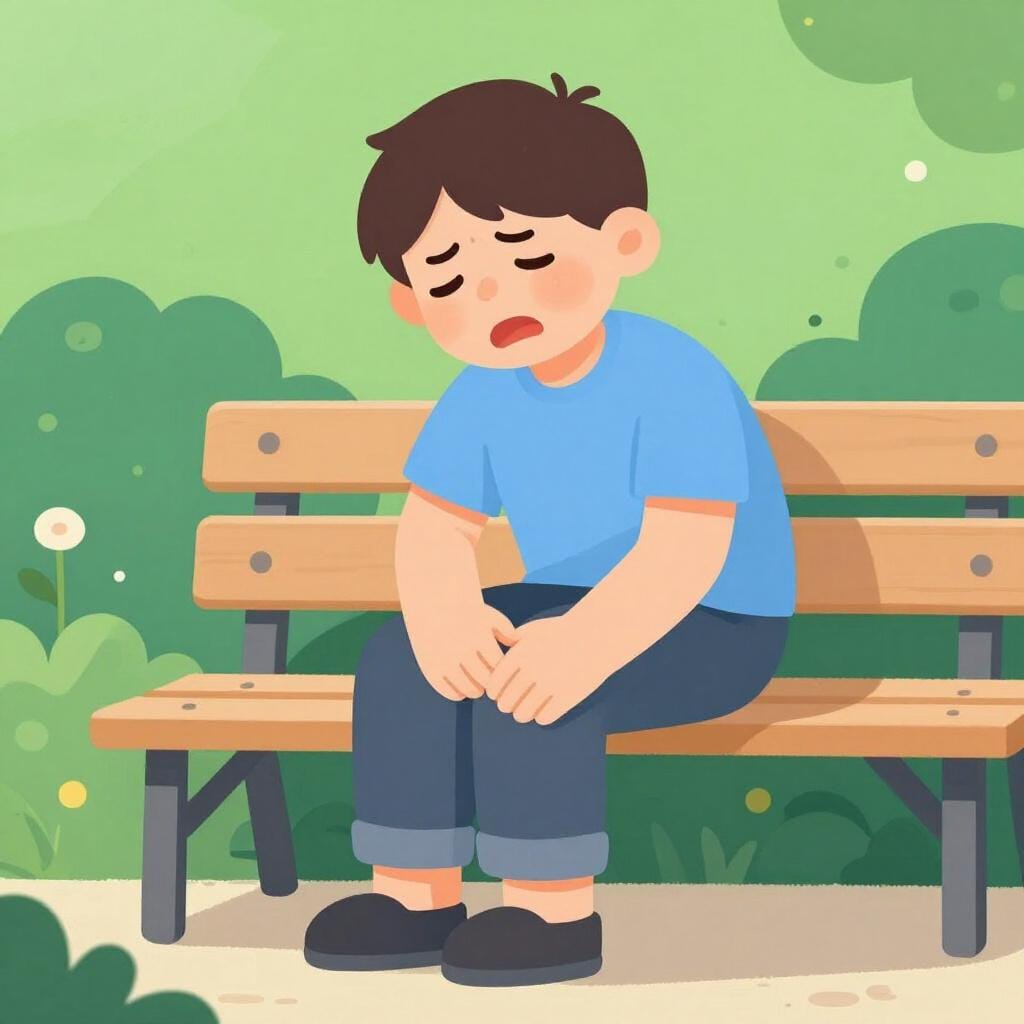
El paciente se quejaba de un fuerte dolor en la pierna.
The patient was groaning from a strong pain in his leg.
Oí a alguien quejarse en la otra habitación.
I heard someone groaning in the other room.
Physical sounds
When used for physical pain, the verb still requires the reflexive pronouns (me, te, se, etc.).
gruñir
groon-yeerɡɾuˈɲiɾ
Examples
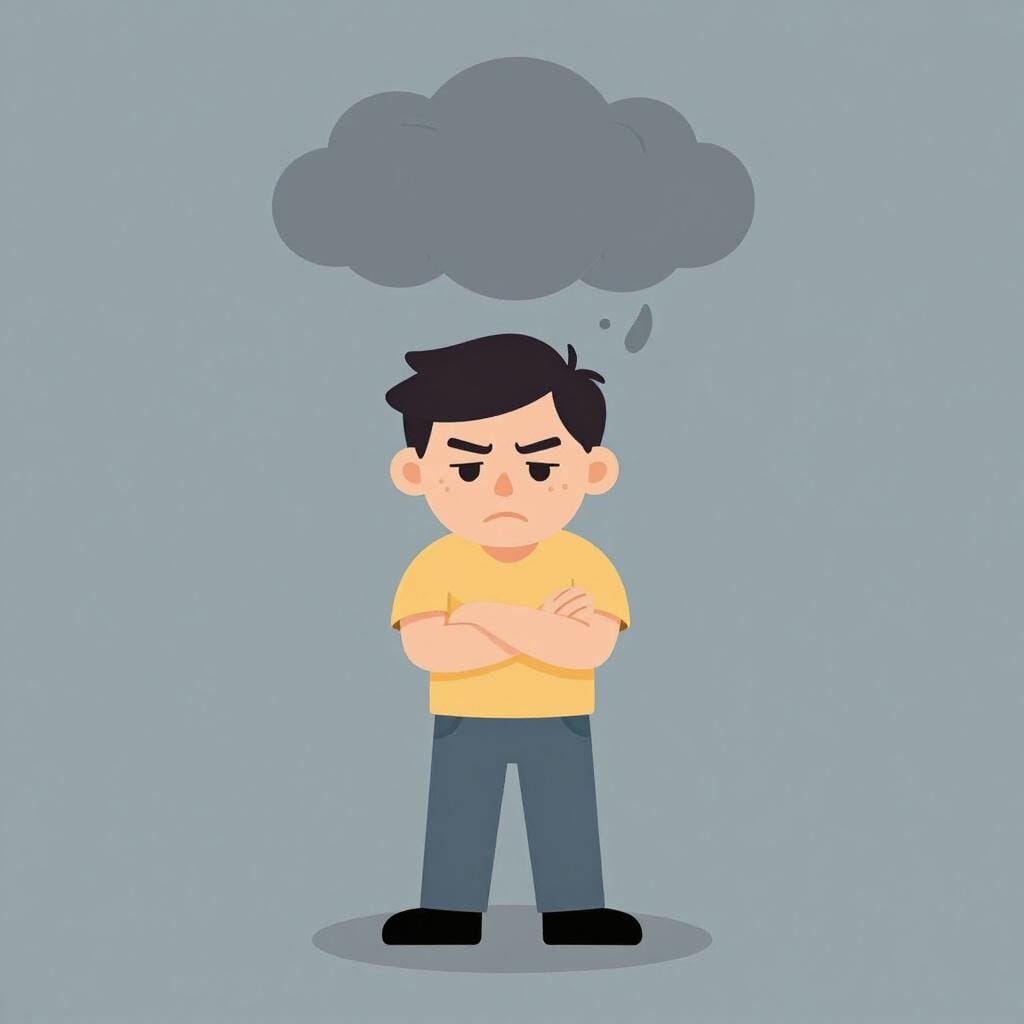
Mi abuelo siempre gruñe cuando tiene que levantarse temprano.
My grandfather always grumbles when he has to get up early.
Deja de gruñir y ayúdame con la limpieza.
Stop grumbling and help me with the cleaning.
Entró en la habitación gruñendo algo sobre el tráfico.
He came into the room muttering something about the traffic.
Describing Attitudes
When used for people, it's often followed by 'algo' (something) or 'por' (because of). It describes the manner of speaking rather than the specific words.
Pain vs. Complaint
Related Translations
Learn Spanish with Inklingo
Interactive stories, personalized learning, and more.