gemir
“gemir” means “to moan” in Spanish. It has 2 different meanings depending on context:

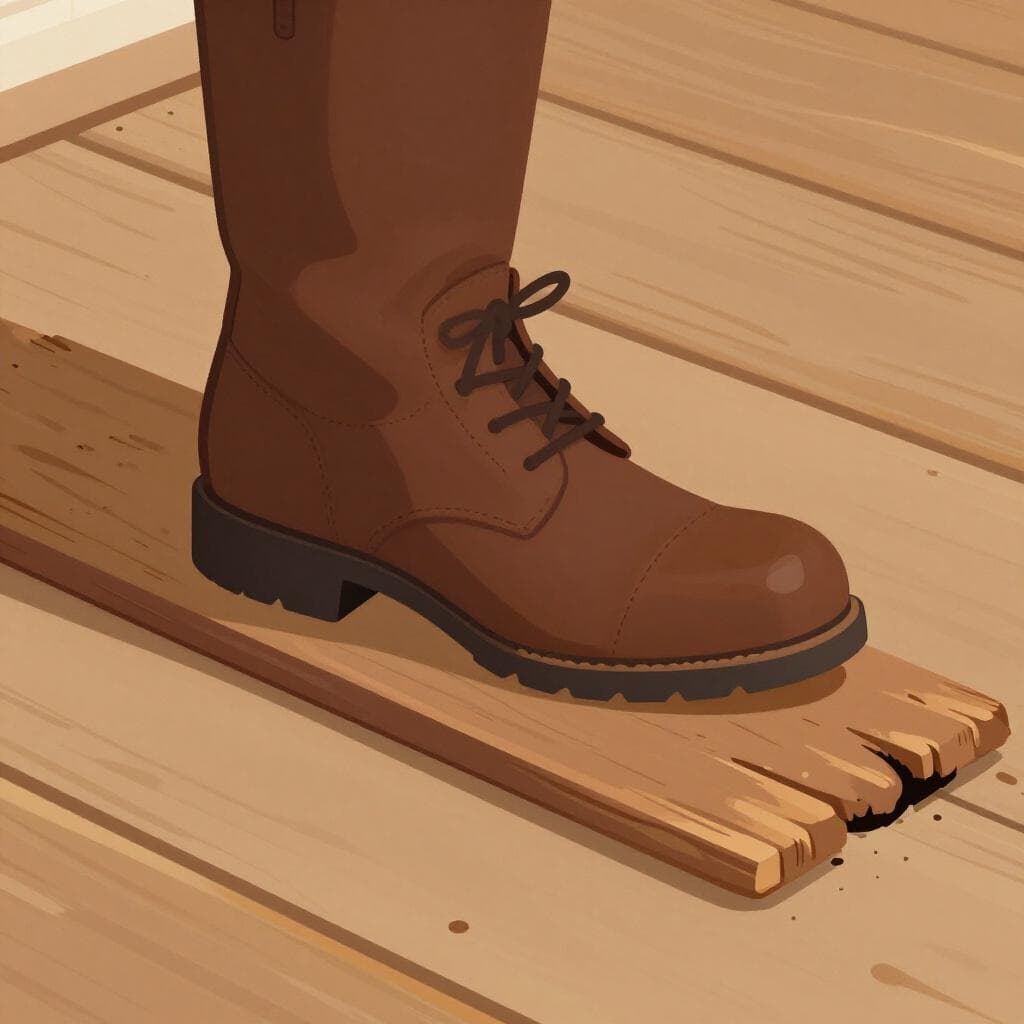
to moan, to groan
Also: to whine
📝 In Action
El herido empezó a gemir mientras esperaba la ambulancia.
B1The injured man began to groan while waiting for the ambulance.
El perro gime frente a la puerta porque quiere salir.
A2The dog is whining at the door because he wants to go out.
Gimió de dolor cuando el doctor tocó su pierna.
B1He groaned with pain when the doctor touched his leg.
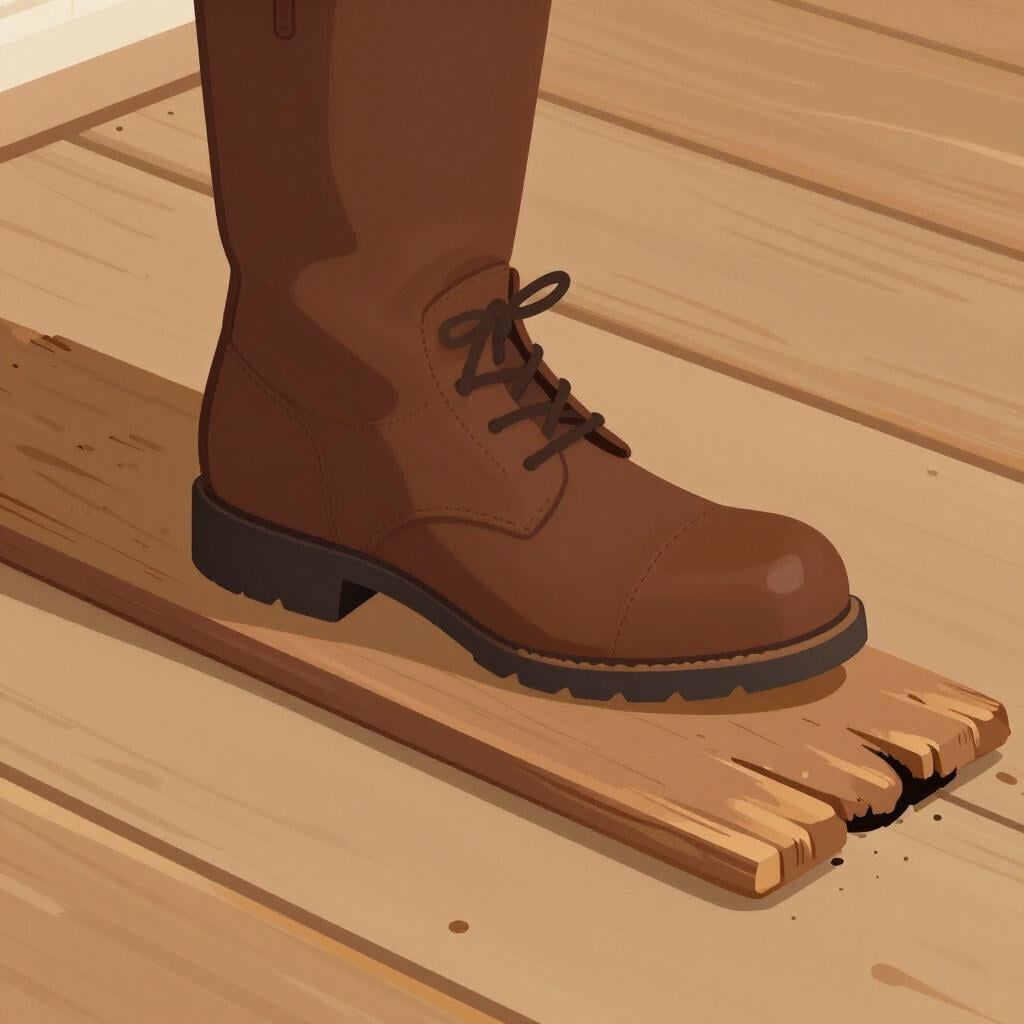
to creak, to howl/moan
📝 In Action
Las maderas de la vieja casa gemían con el viento.
C1The wood of the old house creaked with the wind.
Se oía al viento gemir entre los pinos.
B2You could hear the wind moaning among the pines.
Subjunctive
Imperfect Subjunctive
Present Subjunctive
Indicative
Preterite
Imperfect
Present
✏️ Quick Practice
Quick Quiz: gemir
Question 1 of 3
Which form is correct for 'They groaned' (Preterite)?
📚 More Resources
👥 Word Family▼
📚 Etymology▼
From the Latin word 'gemere,' which means to sigh, groan, or lament.
First recorded: 13th century
Cognates (Related words)
💡 Master Spanish
Take your Spanish to the next level. Read 200+ illustrated and narrated Spanish stories tailored to your level with the Inklingo app!
Frequently Asked Questions
Does 'gemir' always mean something bad?
Not necessarily! While it usually refers to pain or sadness, it is also frequently used to describe sounds of intense pleasure.
Is 'gemir' used for complaining about homework?
No, for that you should use 'quejarse'. 'Gemir' is for the physical sound of a groan, not the act of expressing a grievance.
Is it a regular verb?
No, it is an e-to-i stem changer. This means the 'e' changes to 'i' in the present tense and some past tense forms.