How to Say "to face" in Spanish
The most common Spanish word for “to face” is “enfrentar” — use this when talking about confronting a problem, challenge, or fear directly and actively.




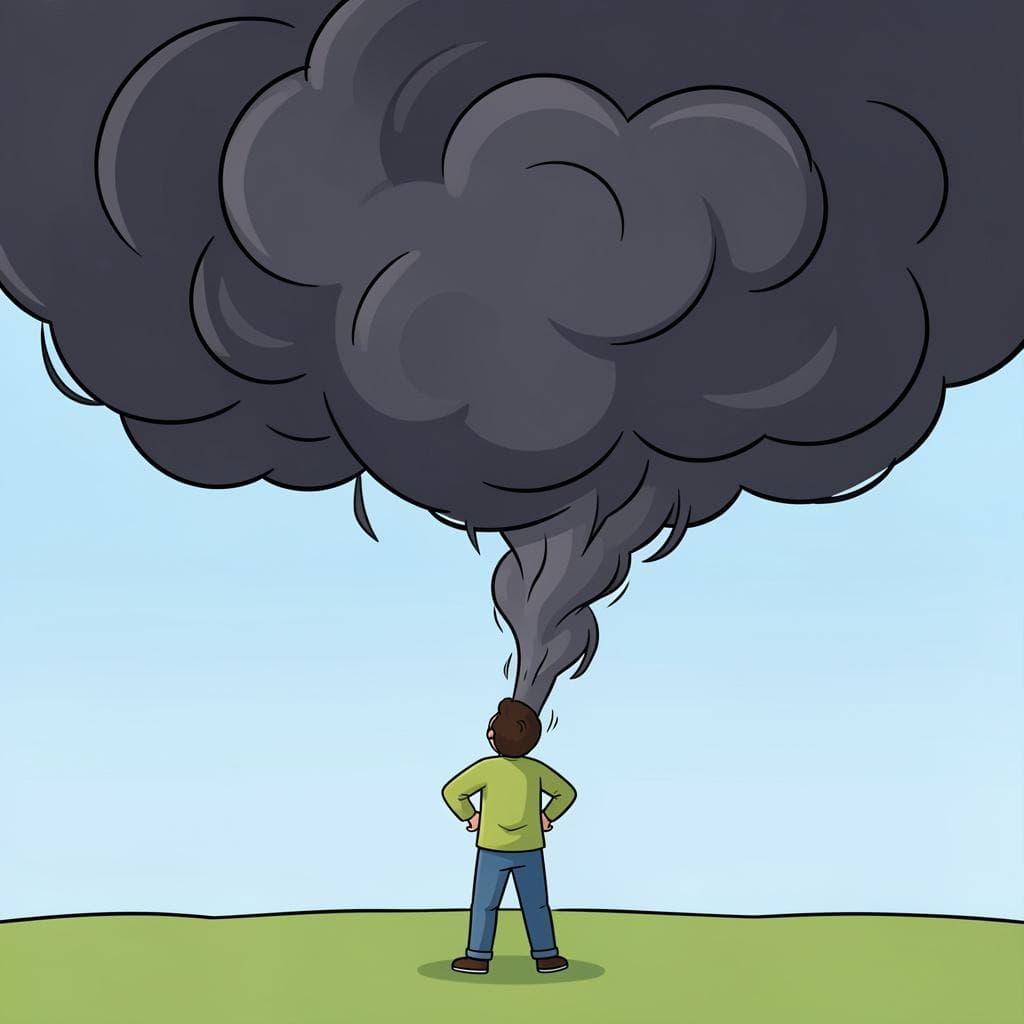





enfrentar
en-fren-TARem.fɾenˈtaɾ

Examples
Tenemos que enfrentar la realidad, no podemos ignorarla.
We have to face reality; we can't ignore it.
El presidente enfrentó muchas críticas por su nueva ley.
The president confronted a lot of criticism for his new law.
Ella enfrenta sus miedos con valentía.
She faces her fears with courage.
Direct Action Verb
In this meaning, 'enfrentar' is always used directly: the subject (who is doing the action) faces the object (the problem or person). No extra words are usually needed between the verb and the thing being faced.
Mixing Transitive and Reflexive
Mistake: “Me enfrento el problema.”
Correction: Enfrento el problema. (The 'me' is only used if the problem is facing you back, which is the next definition.)
afrontar
ah-frohn-tarafɾonˈtaɾ

Examples
Tienes que afrontar la realidad.
You have to face reality.
Estamos listos para afrontar nuevos retos este año.
We are ready to tackle new challenges this year.
Ella afrontó las consecuencias de sus actos con dignidad.
She dealt with the consequences of her actions with dignity.
No 'With' Needed
Unlike the English 'to deal WITH,' the Spanish word 'afrontar' connects directly to the thing you are facing. You don't need to add 'con' (with) after it.
A Regular Hero
This verb is completely regular! It follows the standard pattern for all '-ar' verbs in every tense, making it very easy to conjugate once you know the basics.
Adding extra words
Mistake: “Afrontar con los problemas.”
Correction: Afrontar los problemas. (Spanish doesn't use 'con' here like English uses 'with'.)
confrontar
kon-fron-TARkoɱfɾonˈtaɾ

Examples
Tienes que confrontar tus miedos para superarlos.
You have to face your fears to overcome them.
El director decidió confrontar al empleado por sus faltas.
The director decided to confront the employee about his absences.
Es difícil confrontar una crisis económica sin ahorros.
It is difficult to tackle an economic crisis without savings.
Using 'a' with People
When you confront a specific person, you must use the word 'a' before their name or title. For example: 'Voy a confrontar a mi jefe' (I am going to confront my boss).
It's Regular!
Unlike many common Spanish verbs, 'confrontar' follows the standard rules for verbs ending in -ar. No surprise spelling changes here!
Avoid using 'con' for the person
Mistake: “Confronté con mi amigo.”
Correction: Confronté a mi amigo. (In Spanish, you confront the person directly as the receiver of the action, rather than doing it 'with' them.)
encarar
en-ka-rareŋkaˈɾaɾ

Examples
Tenemos que encarar la realidad de la situación.
We have to face the reality of the situation.
Ella encaró sus miedos y fue a la entrevista.
She faced her fears and went to the interview.
El gobierno decidió encarar la crisis económica con nuevas leyes.
The government decided to tackle the economic crisis with new laws.
Verbs like 'encarar'
This is a regular -ar verb, meaning it follows the most common pattern in Spanish. If you know how to conjugate 'hablar,' you already know how to conjugate 'encarar'!
Using 'con'
When you want to say you are standing up to someone or confronting them directly, you often make the verb reflexive (encararse) and add 'con': 'Se encaró con el jefe' (He stood up to the boss).
Encarar vs. Hacer frente
Mistake: “Using 'encarar' for physical direction only.”
Correction: In Spanish, you can use 'encarar' for both physical pointing and abstract problems. Say 'encarar el problema' just like you would in English.
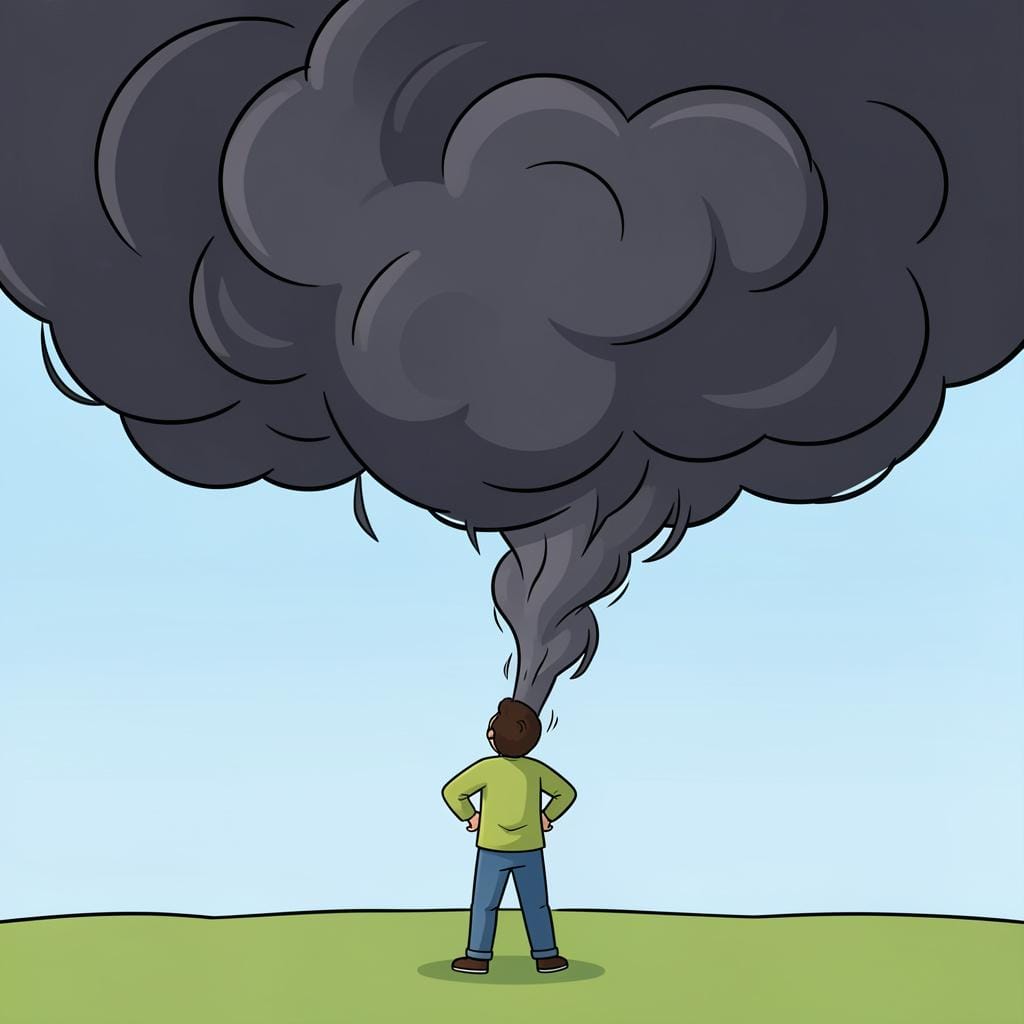
enfrentarse
en-fren-TAR-sehenfɾenˈtaɾse
Examples
Debemos enfrentarnos a la realidad de la situación.
We must face the reality of the situation.
Ella se enfrentó a sus miedos y subió al avión.
She faced her fears and got on the plane.
Using 'a'
This word almost always needs the little word 'a' before the thing or person you are facing. For example: 'enfrentarse a un problema'.
Don't forget the 'se'
Mistake: “Yo enfrento el problema.”
Correction: Yo me enfrento al problema. (In Spanish, you 'face yourself to' the problem using those extra pronouns like me, te, or se).
asumir
ah-soo-MEERa.suˈmiɾ

Examples
Le costó mucho asumir la derrota después del partido.
It was very hard for him to accept the defeat after the game.
Ella tuvo que asumir que el proyecto no funcionaría.
She had to accept that the project wouldn't work.
Emotional Acceptance
In this meaning, 'asumir' describes the mental process of integrating a difficult fact, not just saying 'yes' to an invitation.
orientar
oh-ryen-TARoɾjenˈtaɾ

Examples
Queremos orientar la casa hacia el sur para tener más sol.
We want to face the house toward the south to have more sun.
Tienes que orientar la antena correctamente para ver la tele.
You have to position the antenna correctly to watch TV.
El mapa me ayudó a orientar mi posición en el bosque.
The map helped me orient my position in the forest.
Using 'a' with Directions
When you want to say you are facing something, use 'hacia' (toward) or 'a' (to) after the verb.
Finding Yourself
To say you are 'finding your way' or 'getting your bearings,' use the reflexive form 'orientarse' by adding 'se' to the end.
Confusing 'orientar' with 'encontrar'
Mistake: “Busco el mapa para encontrarme.”
Correction: Busco el mapa para orientarme. (Use 'orientarme' when you mean finding your direction, not just physically finding your body!)
volverse
bol-ver-sebolˈbeɾse

Examples
Me volví para ver quién me había llamado.
I turned around to see who had called me.
Se volvió hacia la puerta y se fue.
He turned toward the door and left.
Por favor, no te vuelvas hasta que cuente tres.
Please, don't turn around until I count to three.
Non-Reflexive 'Volver'
The non-reflexive form, 'volver' (without the 'se'), means simply 'to return' or 'to give back,' referring to an object or location, not the person changing or turning themselves.
Confusing Volver and Volverse
Mistake: “Me volví a casa.”
Correction: Volví a casa. (Use 'volver' without 'se' when you mean 'I returned home.')
revestir
rreh-behs-TEERreβesˈtiɾ

Examples
Decidimos revestir la fachada con piedra natural.
We decided to face the facade with natural stone.
El sastre va a revestir el interior del abrigo con seda roja.
The tailor is going to line the inside of the coat with red silk.
Es necesario revestir las tuberías para protegerlas del frío.
It is necessary to coat the pipes to protect them from the cold.
The 'E' to 'I' Swap
This is a stem-changing verb. In many forms, the 'e' in the middle changes to an 'i' (like 'yo revisto').
Using 'de' or 'con'
When you say what material you are using to coat something, use 'de' or 'con' (e.g., revestir de seda).
Don't forget the 'i' change in the past
Mistake: “Él revestió la pared.”
Correction: Él revistió la pared. Remember, the 'e' changes to 'i' in the third-person past tense too!
mirar
mee-RAHRmiˈɾaɾ

Examples
Nuestra habitación de hotel mira al mar.
Our hotel room faces the sea.
La fachada principal de la casa mira hacia el sur.
The main facade of the house faces south.
Used with Places, Not People
This meaning is almost always used for inanimate objects like windows, doors, balconies, and entire buildings. It describes the direction they are oriented.
Confronting vs. Accepting
Related Translations
Learn Spanish with Inklingo
Interactive stories, personalized learning, and more.