How to Say "to tackle" in Spanish
The most common Spanish word for “to tackle” is “enfrentar” — use this for general situations where you must deal with a task, problem, or difficult reality directly, often implying a necessary confrontation.

Use this for general situations where you must deal with a task, problem, or difficult reality directly, often implying a necessary confrontation.
Learn more →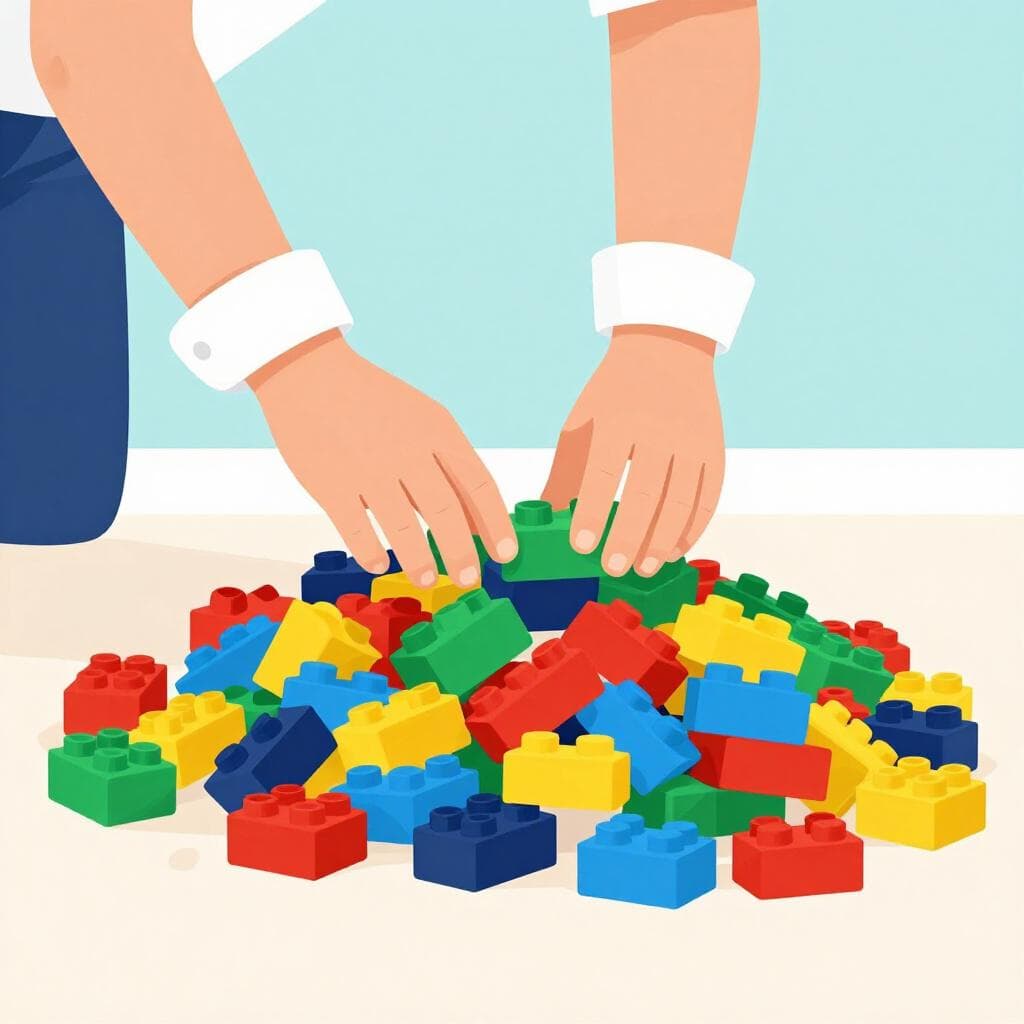
This is best for starting to deal with a problem, issue, or task in a systematic or planned way.
Learn more →
Use this when you need to face or deal with a situation, task, or issue, often with a sense of courage or resignation.
Learn more →
This implies starting to deal with a problem or difficult situation directly, often face-to-face or in a challenging manner.
Learn more →
Use this when you are beginning to work on or deal with a problem or situation, often by looking it in the face.
Learn more →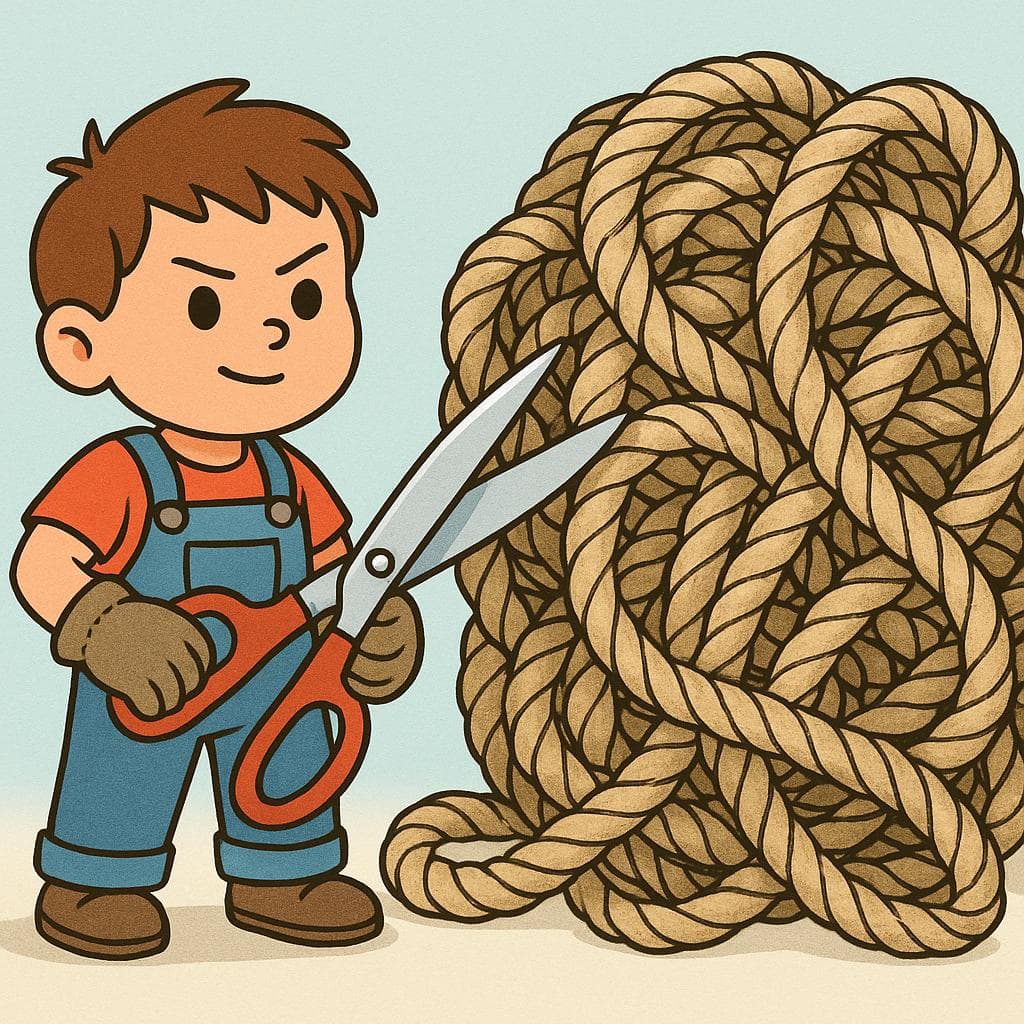
This is used when you decide to begin working on a problem or task energetically, often from a new perspective.
Learn more →
Choose this for actively fighting against or struggling with a significant issue or problem, like an illness or social problem.
Learn more →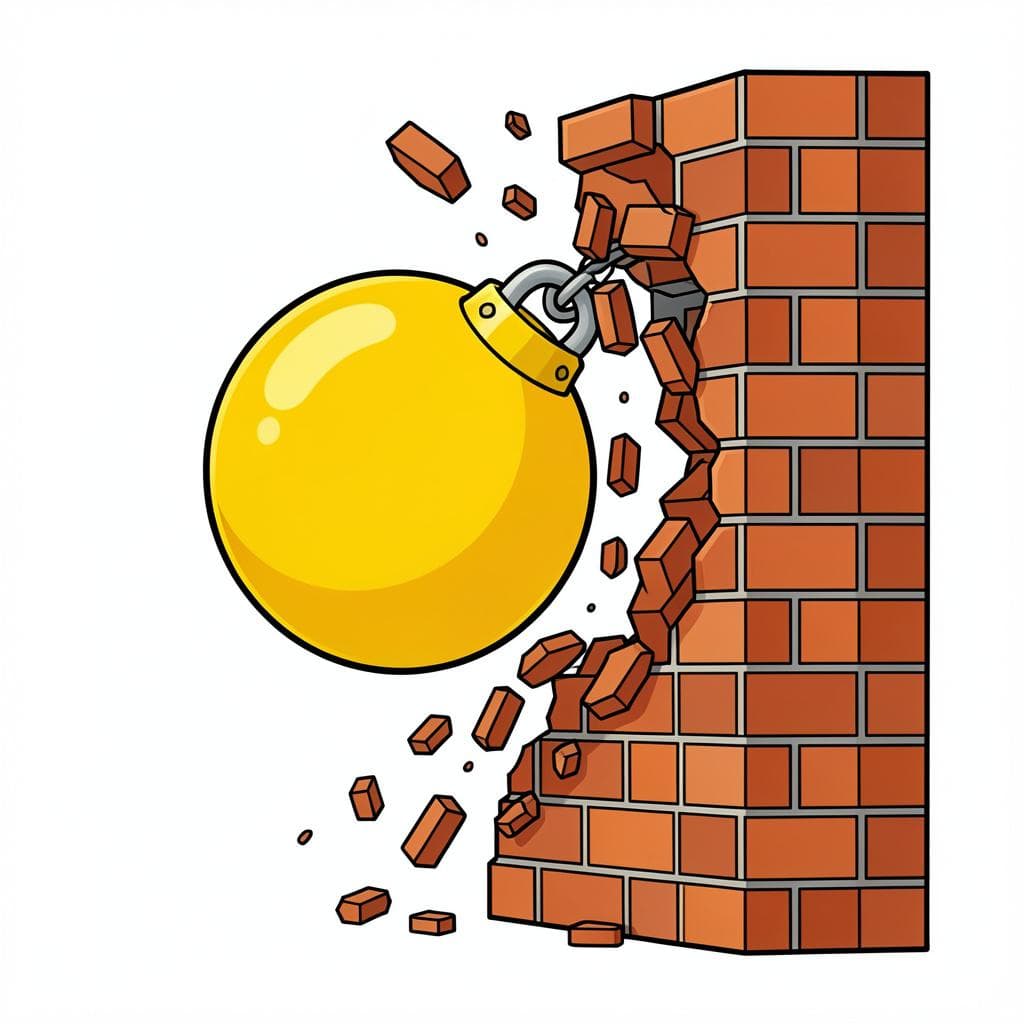
This specifically refers to a physical action of knocking down or bringing down something, like an object or in a sports context.
Learn more →en-fren-TARem.fɾenˈtaɾ

Examples
Tenemos que enfrentar la realidad, no podemos ignorarla.
We have to face reality; we can't ignore it.
El presidente enfrentó muchas críticas por su nueva ley.
The president confronted a lot of criticism for his new law.
Ella enfrenta sus miedos con valentía.
She faces her fears with courage.
Direct Action Verb
In this meaning, 'enfrentar' is always used directly: the subject (who is doing the action) faces the object (the problem or person). No extra words are usually needed between the verb and the thing being faced.
Mixing Transitive and Reflexive
Mistake: “Me enfrento el problema.”
Correction: Enfrento el problema. (The 'me' is only used if the problem is facing you back, which is the next definition.)
ah-bor-daraβoɾˈðaɾ

Examples
Debemos abordar el problema del cambio climático pronto.
We must tackle the problem of climate change soon.
El profesor abordó el tema de la Revolución Francesa.
The professor addressed the topic of the French Revolution.
Es difícil abordar esta situación sin ayuda.
It is difficult to approach this situation without help.
Using it with actions
When you want to say you are 'tackling' a problem, you don't need a preposition like 'with' or 'on'. Just use the word directly followed by the thing you are addressing.
A regular patterns
This verb follows the standard -ar pattern for all tenses, making it very predictable and easy to conjugate once you know the basics.
Confusing with 'approach' in distance
Mistake: “El gato abordó el ratón.”
Correction: El gato se acercó al ratón.
ah-frohn-tarafɾonˈtaɾ

Examples
Tienes que afrontar la realidad.
You have to face reality.
Estamos listos para afrontar nuevos retos este año.
We are ready to tackle new challenges this year.
Ella afrontó las consecuencias de sus actos con dignidad.
She dealt with the consequences of her actions with dignity.
No 'With' Needed
Unlike the English 'to deal WITH,' the Spanish word 'afrontar' connects directly to the thing you are facing. You don't need to add 'con' (with) after it.
A Regular Hero
This verb is completely regular! It follows the standard pattern for all '-ar' verbs in every tense, making it very easy to conjugate once you know the basics.
Adding extra words
Mistake: “Afrontar con los problemas.”
Correction: Afrontar los problemas. (Spanish doesn't use 'con' here like English uses 'with'.)
en-fren-TARem.fɾenˈtaɾ
Examples
Tenemos que enfrentar la realidad, no podemos ignorarla.
We have to face reality; we can't ignore it.
El presidente enfrentó muchas críticas por su nueva ley.
The president confronted a lot of criticism for his new law.
Ella enfrenta sus miedos con valentía.
She faces her fears with courage.
Direct Action Verb
In this meaning, 'enfrentar' is always used directly: the subject (who is doing the action) faces the object (the problem or person). No extra words are usually needed between the verb and the thing being faced.
Mixing Transitive and Reflexive
Mistake: “Me enfrento el problema.”
Correction: Enfrento el problema. (The 'me' is only used if the problem is facing you back, which is the next definition.)
kon-fron-TARkoɱfɾonˈtaɾ

Examples
Tienes que confrontar tus miedos para superarlos.
You have to face your fears to overcome them.
El director decidió confrontar al empleado por sus faltas.
The director decided to confront the employee about his absences.
Es difícil confrontar una crisis económica sin ahorros.
It is difficult to tackle an economic crisis without savings.
Using 'a' with People
When you confront a specific person, you must use the word 'a' before their name or title. For example: 'Voy a confrontar a mi jefe' (I am going to confront my boss).
It's Regular!
Unlike many common Spanish verbs, 'confrontar' follows the standard rules for verbs ending in -ar. No surprise spelling changes here!
Avoid using 'con' for the person
Mistake: “Confronté con mi amigo.”
Correction: Confronté a mi amigo. (In Spanish, you confront the person directly as the receiver of the action, rather than doing it 'with' them.)
en-ka-rareŋkaˈɾaɾ

Examples
Tenemos que encarar la realidad de la situación.
We have to face the reality of the situation.
Ella encaró sus miedos y fue a la entrevista.
She faced her fears and went to the interview.
El gobierno decidió encarar la crisis económica con nuevas leyes.
The government decided to tackle the economic crisis with new laws.
Verbs like 'encarar'
This is a regular -ar verb, meaning it follows the most common pattern in Spanish. If you know how to conjugate 'hablar,' you already know how to conjugate 'encarar'!
Using 'con'
When you want to say you are standing up to someone or confronting them directly, you often make the verb reflexive (encararse) and add 'con': 'Se encaró con el jefe' (He stood up to the boss).
Encarar vs. Hacer frente
Mistake: “Using 'encarar' for physical direction only.”
Correction: In Spanish, you can use 'encarar' for both physical pointing and abstract problems. Say 'encarar el problema' just like you would in English.
ah-tah-KAHRataˈkaɾ
Examples
El equipo decidió atacar el proyecto desde un nuevo ángulo.
The team decided to tackle the project from a new angle.
La gripe me atacó con fiebre alta.
The flu hit me with a high fever.
¡La cena se ve deliciosa! Vamos a atacarla.
Dinner looks delicious! Let's dig into it.
Impersonal Subject (Disease)
When talking about diseases, the disease itself is the subject doing the attacking: 'La enfermedad me atacó' (The illness attacked me).
kom-bah-TEERkom.baˈtiɾ

Examples
El gobierno implementó medidas para combatir la inflación.
The government implemented measures to fight inflation.
Este medicamento ayuda a combatir los síntomas del resfriado.
This medicine helps counteract cold symptoms.
Es crucial combatir la desinformación en las redes sociales.
It is crucial to tackle misinformation on social media.
Direct Object Use
Unlike the physical meaning, when 'combatir' refers to fighting a problem (like inflation or crime), you often treat the problem as a direct object without needing 'contra': 'Combatir la corrupción' (To fight corruption).
Confusing 'Luchar' and 'Combatir'
Mistake: “Using 'luchar' instead of 'combatir' in formal news headlines about policy.”
Correction: While 'luchar' (to struggle) is also fine, 'combatir' implies a more direct, structured action or policy against the problem. 'Combatir' is usually preferred in political or scientific reports.
deh-rree-barderiˈβaɾ
Examples
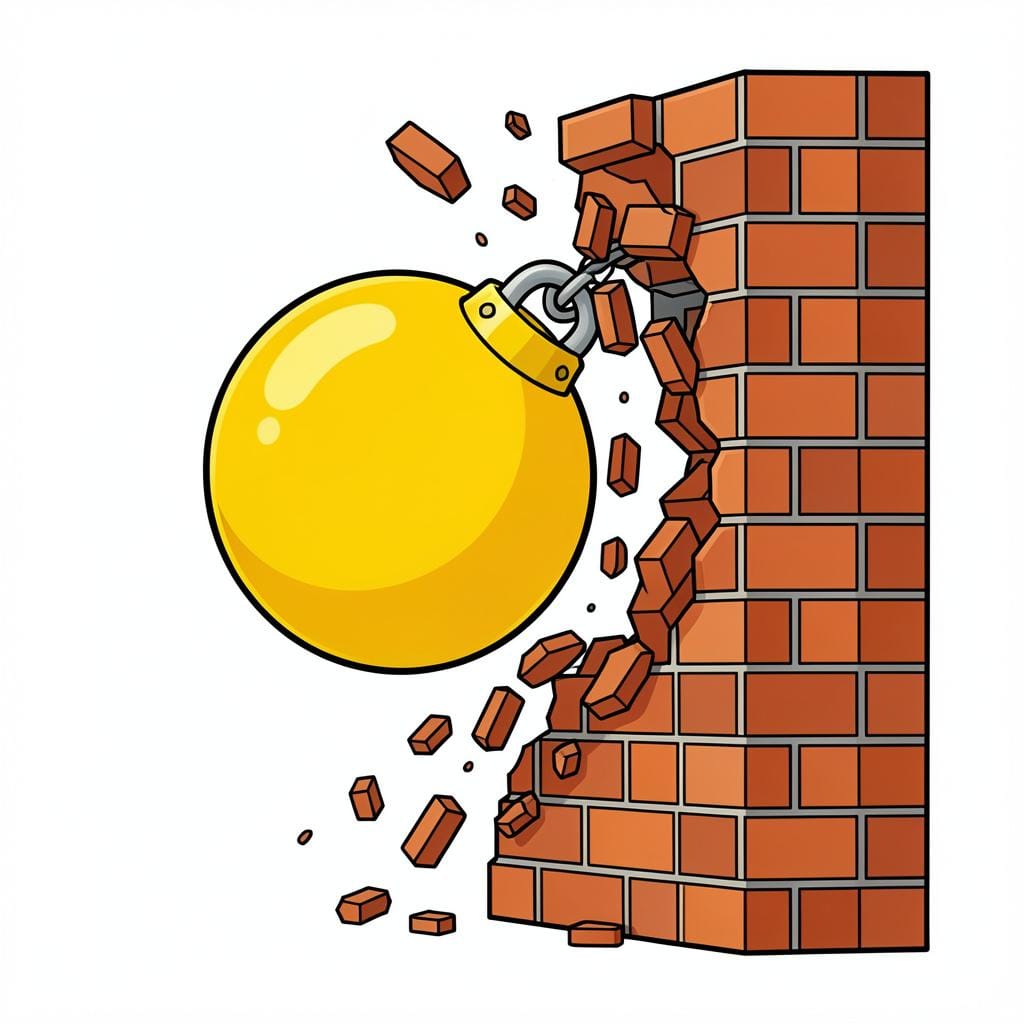
Tuvieron que derribar el viejo muro para ampliar la calle.
They had to knock down the old wall to widen the street.
El boxeador derribó a su oponente en el tercer asalto.
The boxer knocked down his opponent in the third round.
Using 'derribar' with people
When using this word for knocking a person down, remember to add 'a' before the person, like: 'Derribó a su amigo'.
Derribar vs. Tirar
Mistake: “Using 'tirar' to mean demolition.”
Correction: Use 'derribar' for structures or large things that are standing up. 'Tirar' is more for throwing or pulling.
Facing vs. Tackling
The most common confusion is between 'enfrentar', 'afrontar', 'confrontar', and 'encarar', all of which can mean 'to face' or 'to deal with'. 'Enfrentar' is the most general, while 'afrontar' often implies facing something difficult. 'Confrontar' suggests a more direct or challenging approach, and 'encarar' implies looking directly at the issue to begin working on it.
Related Translations
Learn Spanish with Inklingo
Interactive stories, personalized learning, and more.