How to Say "to confront" in Spanish
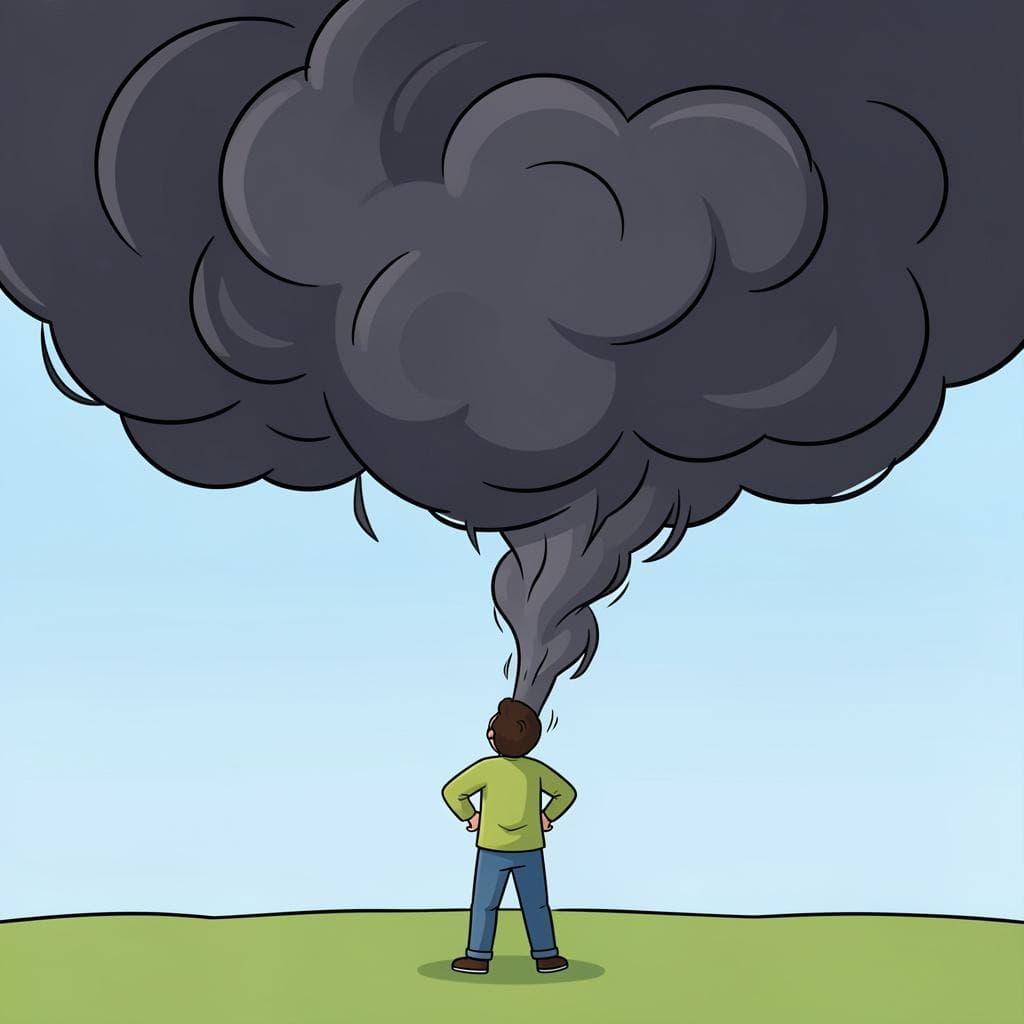
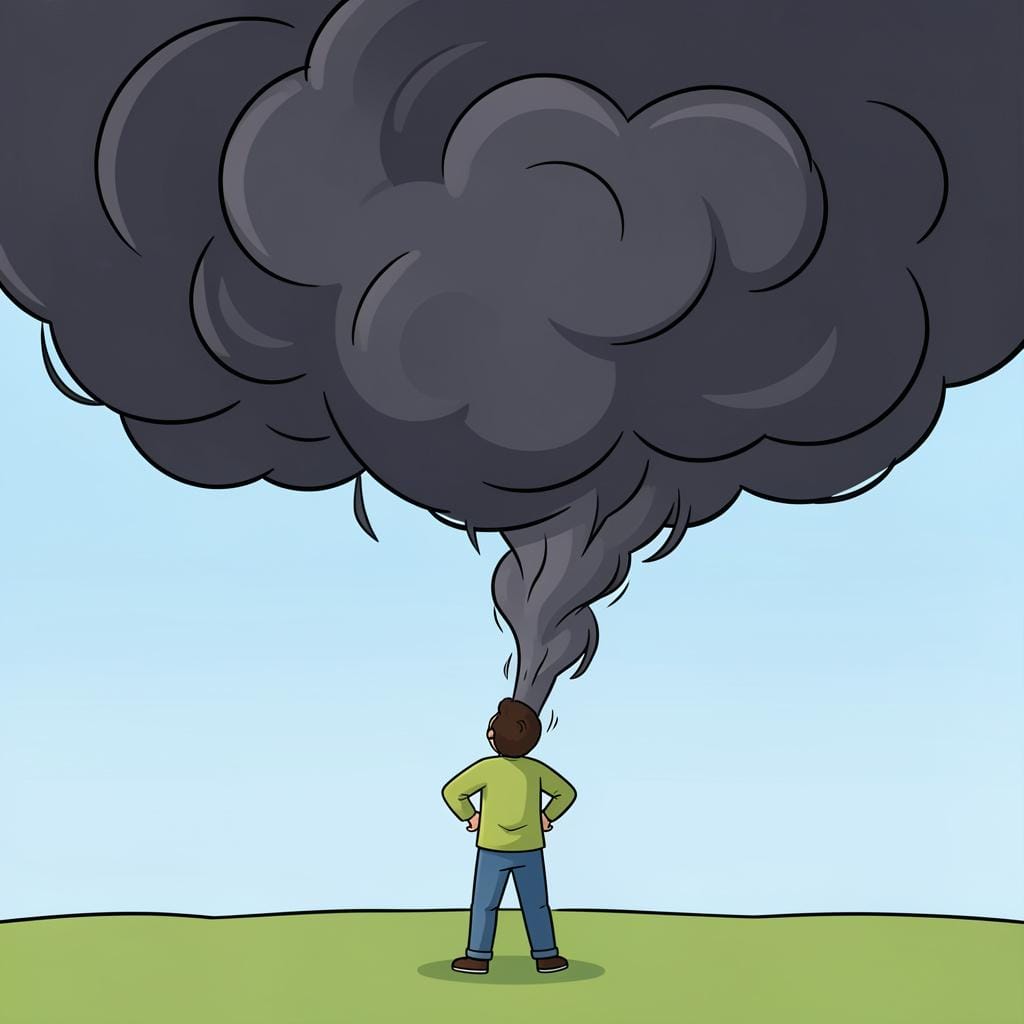
The most common Spanish word for “to confront” is “enfrentar” — use this word when you need to face a difficult situation or person directly, often implying a challenge or the need for bravery.



enfrentar
en-fren-TARem.fɾenˈtaɾ

Examples
Tenemos que enfrentar la realidad, no podemos ignorarla.
We have to face reality; we can't ignore it.
El presidente enfrentó muchas críticas por su nueva ley.
The president confronted a lot of criticism for his new law.
Ella enfrenta sus miedos con valentía.
She faces her fears with courage.
Direct Action Verb
In this meaning, 'enfrentar' is always used directly: the subject (who is doing the action) faces the object (the problem or person). No extra words are usually needed between the verb and the thing being faced.
Mixing Transitive and Reflexive
Mistake: “Me enfrento el problema.”
Correction: Enfrento el problema. (The 'me' is only used if the problem is facing you back, which is the next definition.)
enfrentarse
en-fren-TAR-sehenfɾenˈtaɾse
Examples
Debemos enfrentarnos a la realidad de la situación.
We must face the reality of the situation.
Ella se enfrentó a sus miedos y subió al avión.
She faced her fears and got on the plane.
Using 'a'
This word almost always needs the little word 'a' before the thing or person you are facing. For example: 'enfrentarse a un problema'.
Don't forget the 'se'
Mistake: “Yo enfrento el problema.”
Correction: Yo me enfrento al problema. (In Spanish, you 'face yourself to' the problem using those extra pronouns like me, te, or se).
encarar
en-ka-rareŋkaˈɾaɾ

Examples
Tenemos que encarar la realidad de la situación.
We have to face the reality of the situation.
Ella encaró sus miedos y fue a la entrevista.
She faced her fears and went to the interview.
El gobierno decidió encarar la crisis económica con nuevas leyes.
The government decided to tackle the economic crisis with new laws.
Verbs like 'encarar'
This is a regular -ar verb, meaning it follows the most common pattern in Spanish. If you know how to conjugate 'hablar,' you already know how to conjugate 'encarar'!
Using 'con'
When you want to say you are standing up to someone or confronting them directly, you often make the verb reflexive (encararse) and add 'con': 'Se encaró con el jefe' (He stood up to the boss).
Encarar vs. Hacer frente
Mistake: “Using 'encarar' for physical direction only.”
Correction: In Spanish, you can use 'encarar' for both physical pointing and abstract problems. Say 'encarar el problema' just like you would in English.
confrontar
kon-fron-TARkoɱfɾonˈtaɾ

Examples
Tienes que confrontar tus miedos para superarlos.
You have to face your fears to overcome them.
El director decidió confrontar al empleado por sus faltas.
The director decided to confront the employee about his absences.
Es difícil confrontar una crisis económica sin ahorros.
It is difficult to tackle an economic crisis without savings.
Using 'a' with People
When you confront a specific person, you must use the word 'a' before their name or title. For example: 'Voy a confrontar a mi jefe' (I am going to confront my boss).
It's Regular!
Unlike many common Spanish verbs, 'confrontar' follows the standard rules for verbs ending in -ar. No surprise spelling changes here!
Avoid using 'con' for the person
Mistake: “Confronté con mi amigo.”
Correction: Confronté a mi amigo. (In Spanish, you confront the person directly as the receiver of the action, rather than doing it 'with' them.)
Choosing between 'enfrentar' and 'encarar'
Related Translations
Learn Spanish with Inklingo
Interactive stories, personalized learning, and more.