How to Say "to approach" in Spanish
The most common Spanish word for “to approach” is “acercarse” — use this when describing physical movement towards a person, place, or thing.

Use this when describing physical movement towards a person, place, or thing.
Learn more →
Use this reflexive form when you are the one physically moving closer to someone or something, often with the intention of interacting.
Learn more →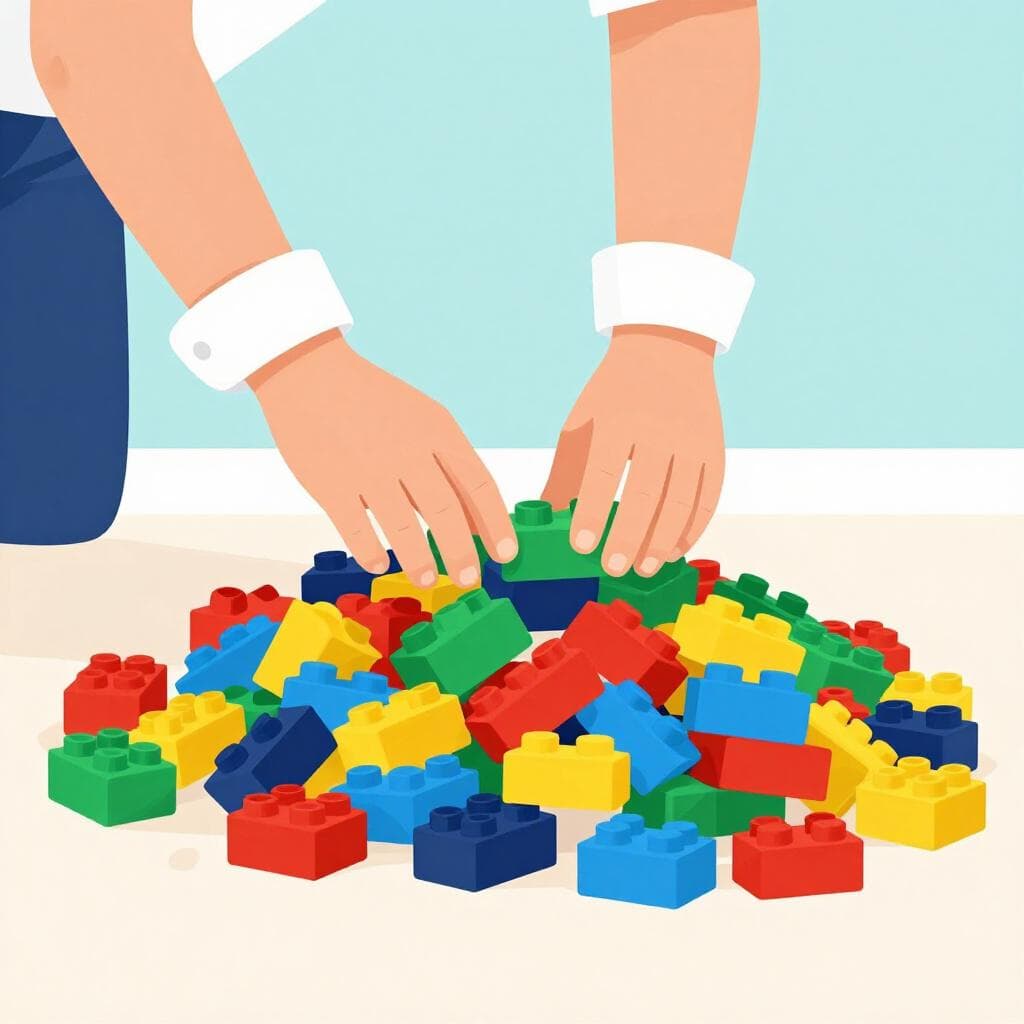
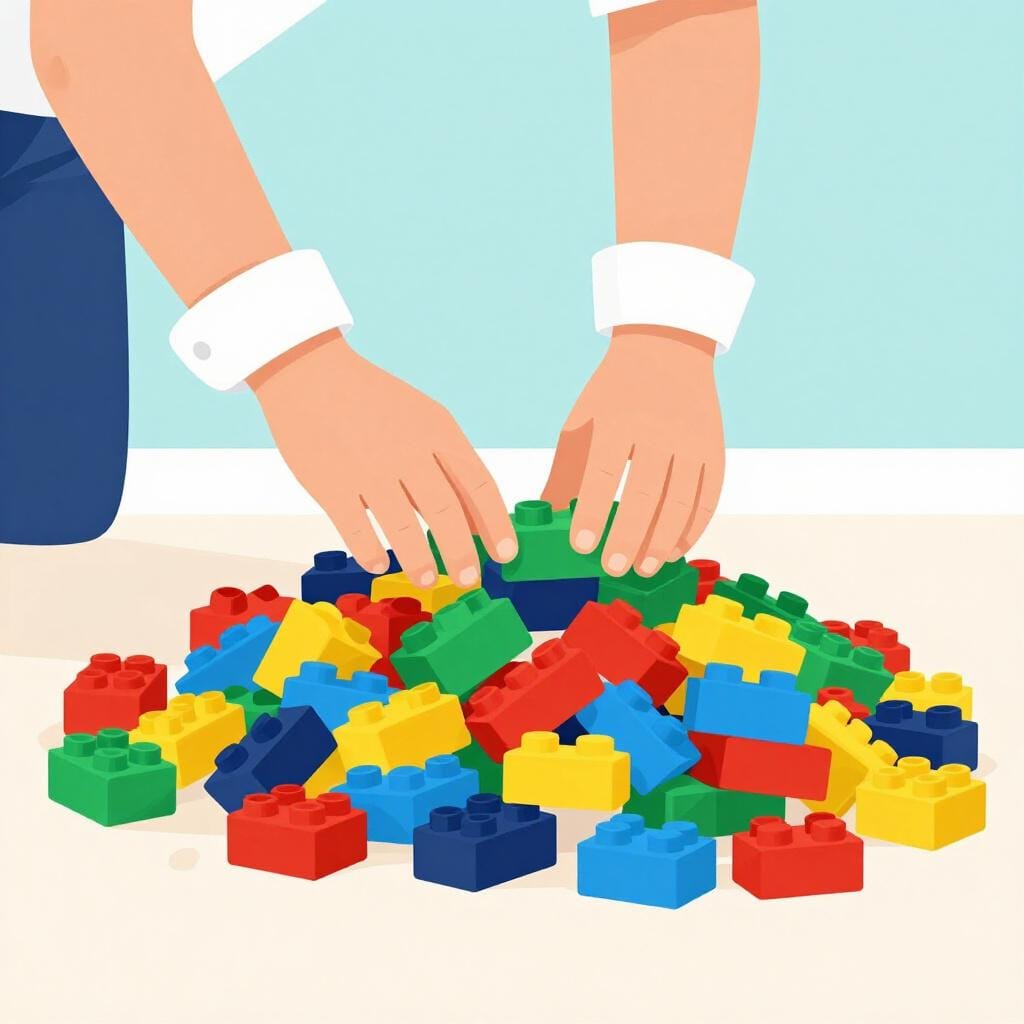
Use this when you are beginning to deal with a problem, topic, or question.
Learn more →
Use this when you want to describe how you are going to deal with or consider a problem or topic.
Learn more →
Use this when you are proposing or considering a specific way to deal with a task or problem.
Learn more →ah-sehr-KAHR-seh (or ah-sehr-KAHR-seh in Latin America)aθeɾˈkaɾse

Examples
El perro se acercó a la mesa esperando comida.
The dog approached the table hoping for food.
Por favor, no te acerques al borde del acantilado.
Please, don't get close to the edge of the cliff.
¿Nos acercamos a la ventana para ver mejor?
Shall we move closer to the window to see better?
The Reflexive 'Se'
Because 'acercarse' means 'to move oneself closer,' you must always include the reflexive pronoun (me, te, se, nos, os, se). You are the one performing the action on yourself.
Using 'A'
To say what you are approaching, you almost always need the preposition 'a' (to/at): 'Me acerco al (a + el) edificio'.
Forgetting the Pronoun
Mistake: “Yo acerco la silla.”
Correction: Yo me acerco a la silla. (The mistake uses the non-reflexive 'acercar,' which means 'to bring something closer.')
Preterite Spelling
Mistake: “Yo acerqué.”
Correction: Yo me acerqué. (The 'c' must change to 'qu' before the 'e' to keep the hard 'k' sound, like in English 'quick'.)
ah-sehr-KAR-mehaserˈkarme

Examples
Necesito acercarme un poco más para leer el cartel.
I need to get a little closer to read the sign.
Voy a acercarme a la recepción para preguntar.
I'm going to approach the front desk to ask.
Quiero acercarme a la cultura española a través de la música.
I want to get closer to Spanish culture through music.
The 'me' at the end
This word is a combination of 'acercar' (to bring near) and 'me' (myself). Using them together means you are the one doing the moving!
Always use 'a'
When you get closer to something in Spanish, you must use the bridge word 'a'. For example: 'acercarme a la casa' (get closer to the house).
Missing the 'a'
Mistake: “Quiero acercarme el gato.”
Correction: Quiero acercarme AL gato. (Remember to use 'a' before the thing you are approaching.)
Spelling changes
Mistake: “Yo me acercé.”
Correction: Yo me acerqué. The 'c' changes to 'qu' in some past and special forms to keep the 'K' sound.
ah-bor-daraβoɾˈðaɾ
Examples
Debemos abordar el problema del cambio climático pronto.
We must tackle the problem of climate change soon.
El profesor abordó el tema de la Revolución Francesa.
The professor addressed the topic of the French Revolution.
Es difícil abordar esta situación sin ayuda.
It is difficult to approach this situation without help.
Using it with actions
When you want to say you are 'tackling' a problem, you don't need a preposition like 'with' or 'on'. Just use the word directly followed by the thing you are addressing.
A regular patterns
This verb follows the standard -ar pattern for all tenses, making it very predictable and easy to conjugate once you know the basics.
Confusing with 'approach' in distance
Mistake: “El gato abordó el ratón.”
Correction: El gato se acercó al ratón.
en-fo-karem.foˈkaɾ

Examples
Debemos enfocar este problema desde una perspectiva diferente.
We must approach this problem from a different perspective.
El escritor enfocó su novela en la vida rural.
The writer centered his novel on rural life.
Es importante cómo enfoques la entrevista de trabajo.
How you approach the job interview is important.
Using Prepositions
When you focus on a specific topic, you usually follow the word with 'en' (enfocar el estudio en...) or 'hacia' (aim toward).
Direct vs Indirect
Mistake: “Saying 'enfocarse a un problema'.”
Correction: Usually say 'enfocarse en' or just 'enfocar el problema'.
plan-te-ahrplan.teˈaɾ

Examples
Debemos plantear el problema desde otro punto de vista.
We must frame the problem from another point of view.
El arquitecto planteó el diseño inicial ayer.
The architect outlined the initial design yesterday.
Describing the result
You can use the 'past' form (planteado) as a description. 'Un problema mal planteado' means a problem that wasn't framed correctly.
Physical vs. Figurative 'Approach'
Learners often confuse the physical movement verbs (acercarse, acercarme) with the figurative ones (abordar, enfocar, plantear). Remember that 'acercar' means to physically get closer, while the others refer to how you address or tackle a topic or problem.
Related Translations
Learn Spanish with Inklingo
Interactive stories, personalized learning, and more.