destapar
“destapar” means “to uncover” in Spanish. It has 2 different meanings depending on context:
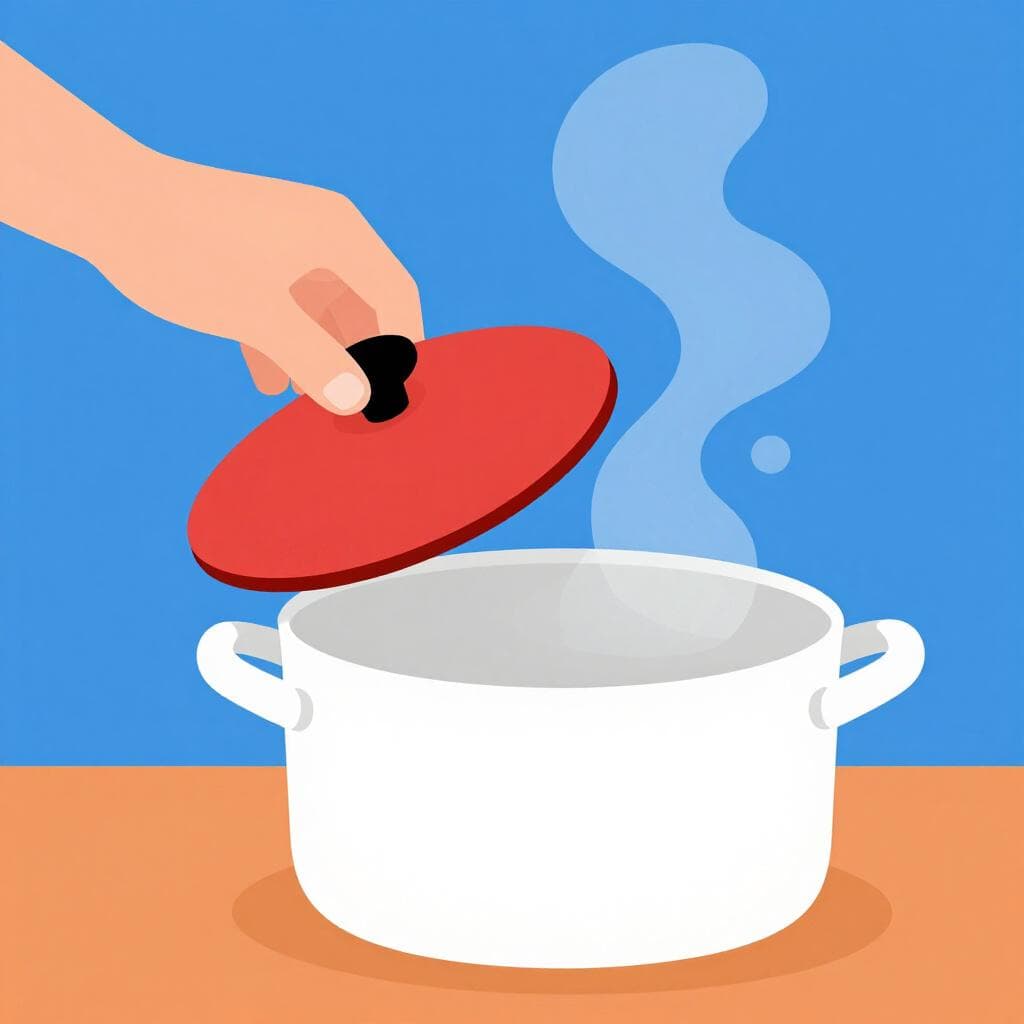

to uncover
Also: to uncork or open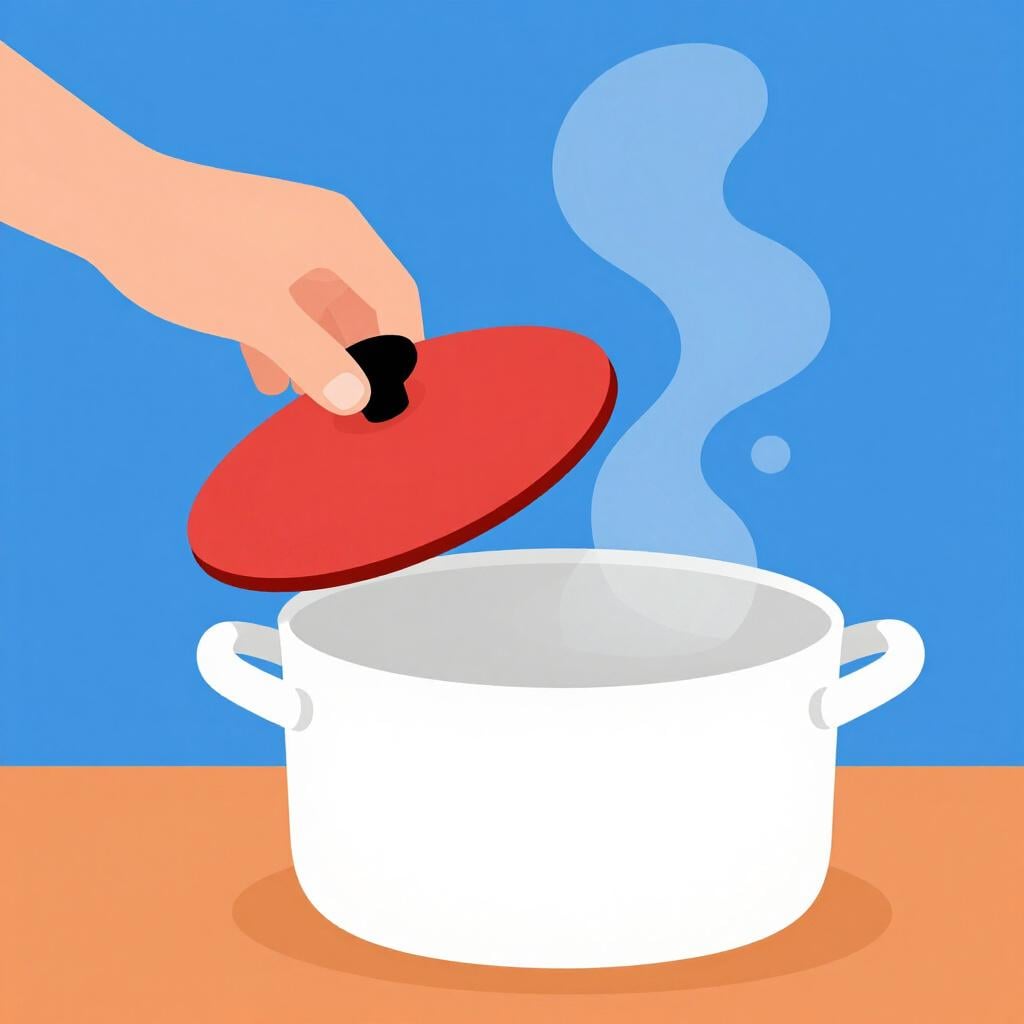
📝 In Action
Por favor, destapa la botella de agua.
A1Please, open (uncover) the water bottle.
No puedo destapar este frasco; está muy apretado.
A2I can't get the lid off this jar; it's very tight.
El viento destapó la caja que estaba en el jardín.
B1The wind uncovered the box that was in the garden.
to reveal
Also: to expose
📝 In Action
La investigación destapó un caso de corrupción.
B2The investigation revealed/exposed a case of corruption.
Finalmente destaparon sus verdaderas intenciones.
C1They finally revealed their true intentions.
Subjunctive
Imperfect Subjunctive
Present Subjunctive
Indicative
Preterite
Imperfect
Present
Translate to Spanish
✏️ Quick Practice
Quick Quiz: destapar
Question 1 of 3
Which sentence means 'The journalist revealed the truth'?
📚 More Resources
👥 Word Family▼
📚 Etymology▼
From the Spanish prefix 'des-' (meaning 'un-' or 'removal') and the word 'tapa' (meaning lid or cover), which comes from Germanic origins.
First recorded: 13th century
Cognates (Related words)
💡 Master Spanish
Take your Spanish to the next level. Read 200+ illustrated and narrated Spanish stories tailored to your level with the Inklingo app!
Frequently Asked Questions
Can I use 'destapar' for a door?
No. For doors and windows, you should use 'abrir'. Use 'destapar' for things that have a lid, cap, or are covered by a cloth/blanket.
Is 'destapar' regular in the past tense?
Yes, it is a completely regular -ar verb in all its forms, including the preterite (past) tense.
What's the difference between 'descubrir' and 'destapar'?
'Descubrir' is 'to discover' (like finding a new land or a new concept), while 'destapar' is more about removing a physical cover or exposing a hidden secret.