descubrir
“descubrir” means “to discover” in Spanish. It has 3 different meanings depending on context:
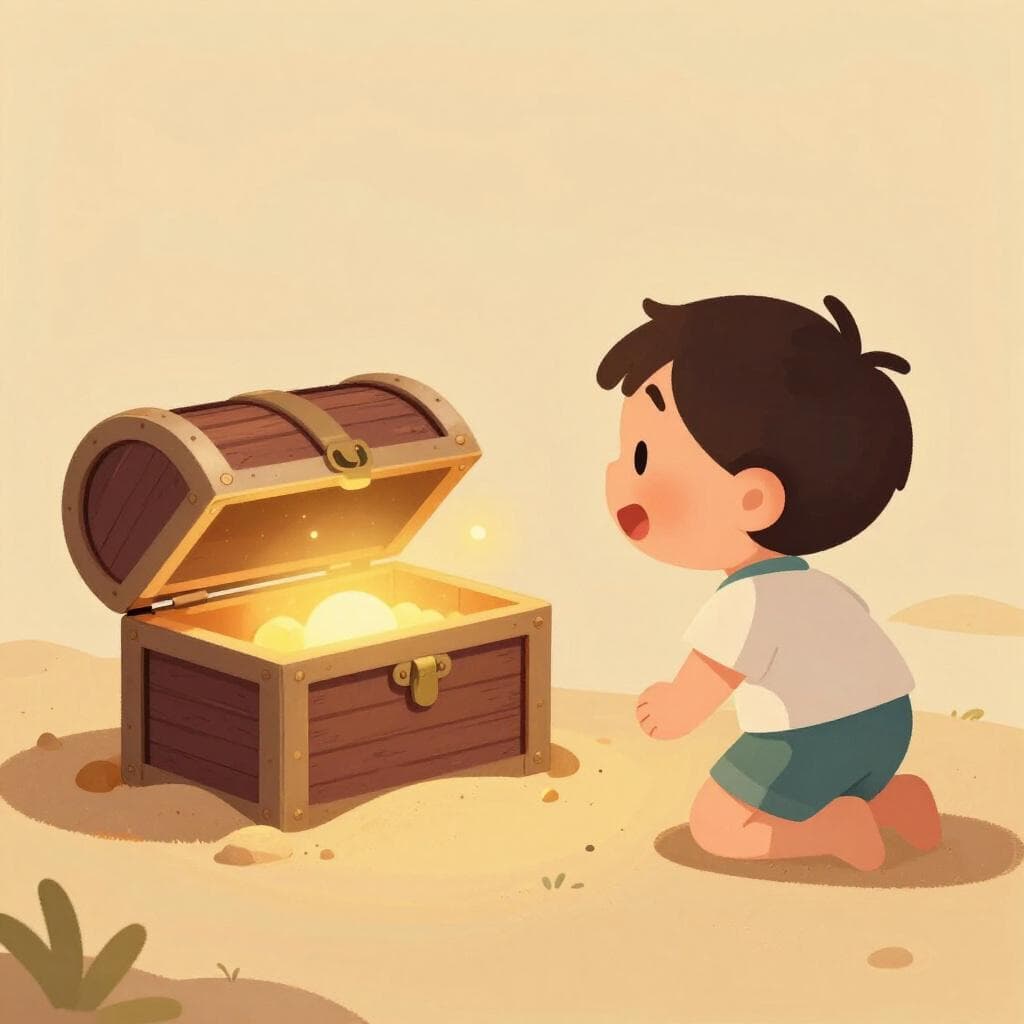


to discover, to find out
Also: to detect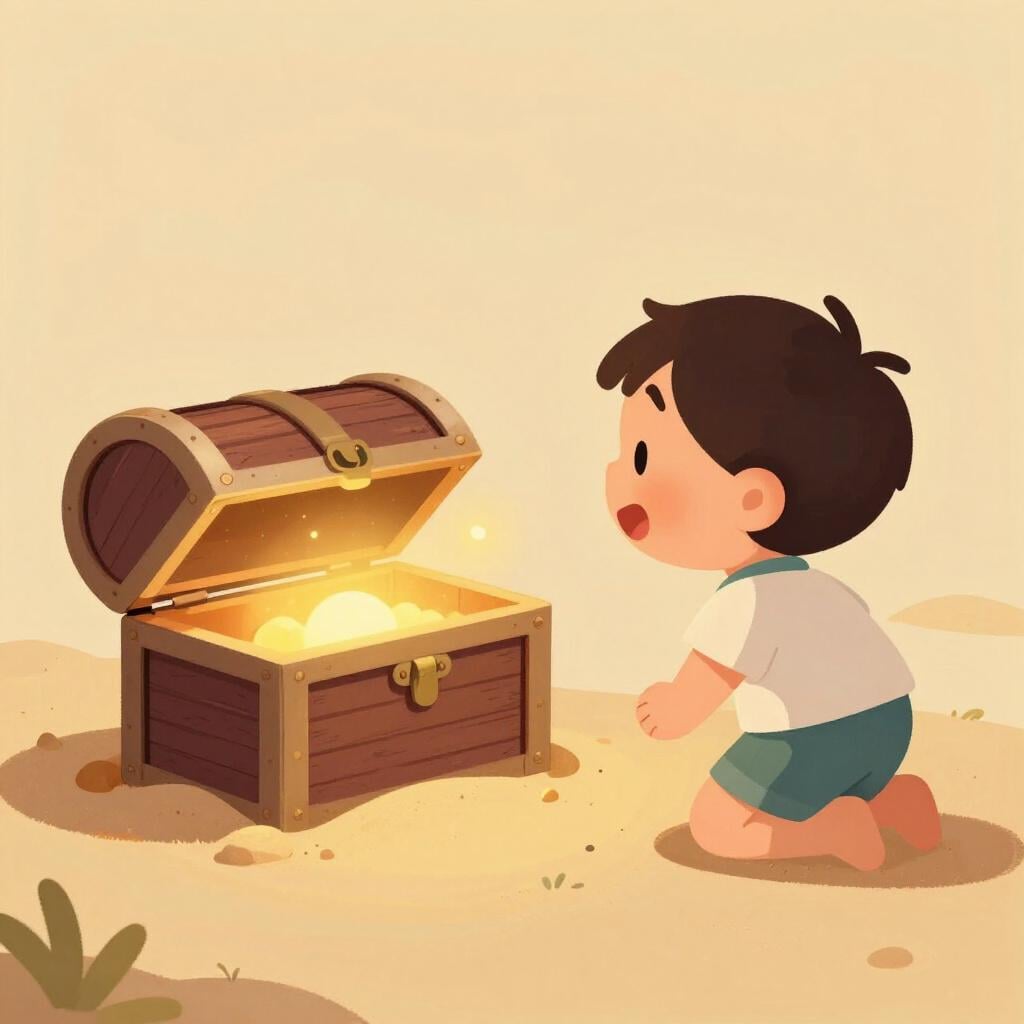
📝 In Action
Descubrimos un restaurante increíble en el centro.
A2We discovered an incredible restaurant downtown.
¿Cuándo descubriste que te gustaba la música clásica?
B1When did you find out that you liked classical music?
Ella descubrió la verdad sobre el robo.
B2She discovered (found out) the truth about the robbery.
to invent, to make a breakthrough

📝 In Action
Marie Curie descubrió el radio y el polonio.
B1Marie Curie discovered (invented/identified) radium and polonium.
Los científicos creen que pronto descubrirán la cura.
B2Scientists believe they will soon discover the cure.
to uncover, to reveal
Also: to expose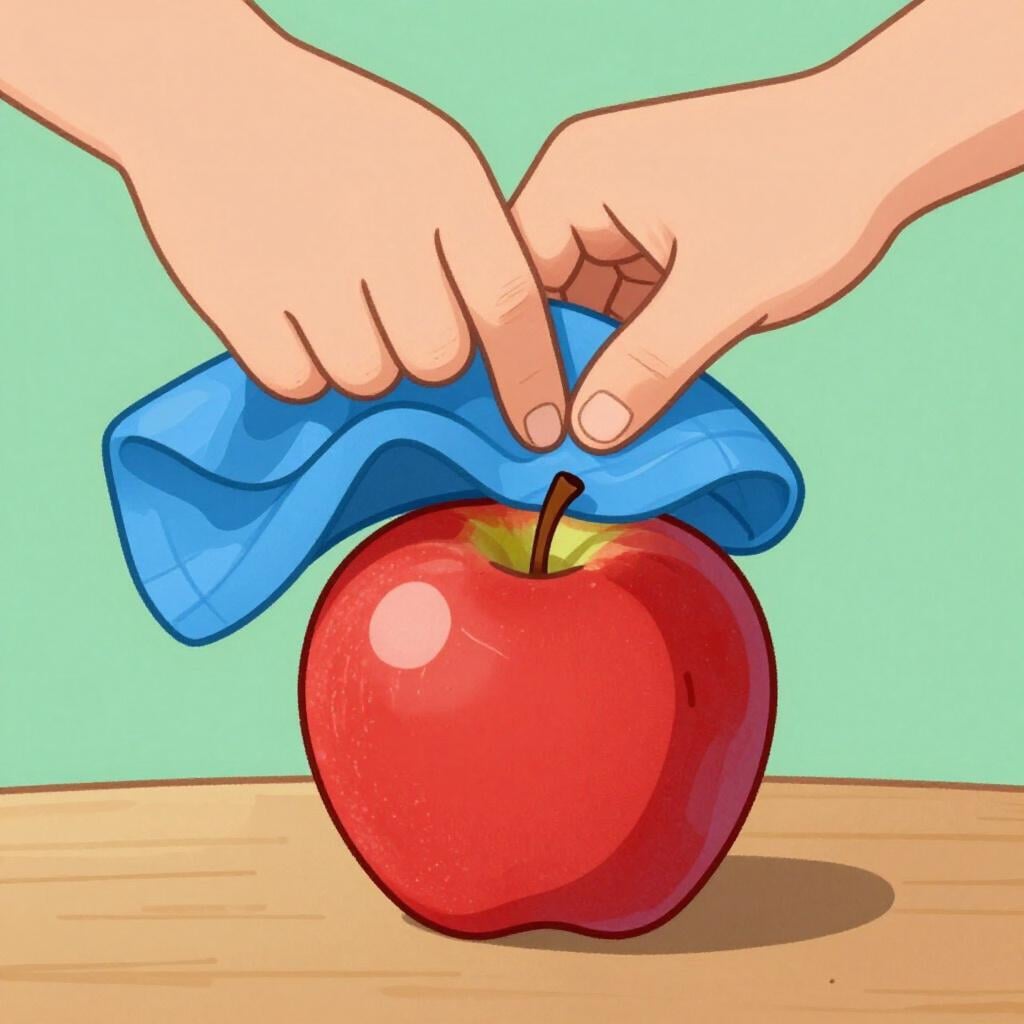
📝 In Action
El presidente descubrió la placa conmemorativa.
B2The president uncovered (revealed) the commemorative plaque.
Cuando entró a la casa, se descubrió la cabeza.
C1When he entered the house, he uncovered his head (took off his hat).
La investigación descubrió su fraude.
B2The investigation exposed his fraud.
Subjunctive
Imperfect Subjunctive
Present Subjunctive
Indicative
Preterite
Imperfect
Present
Translate to Spanish
Words that translate to "descubrir" in Spanish:
to detect→to discover→to expose→to invent→to reveal→to uncover→✏️ Quick Practice
Quick Quiz: descubrir
Question 1 of 2
Which sentence uses 'descubrir' in the sense of 'to uncover/reveal' (Definition 3)?
📚 More Resources
👥 Word Family▼
📚 Etymology▼
The word comes from the Latin verb *discooperīre*, which literally meant 'to un-cover.' It is formed by combining the prefix *dis-* (meaning reversal or undoing) and *cooperīre* (meaning to cover). This origin perfectly explains both the physical meaning ('to uncover') and the figurative meaning ('to find out').
First recorded: Medieval Spanish
Cognates (Related words)
💡 Master Spanish
Take your Spanish to the next level. Read 200+ illustrated and narrated Spanish stories tailored to your level with the Inklingo app!
Frequently Asked Questions
Is 'descubrir' the best word to use when I mean 'to invent' something new?
It depends. 'Descubrir' is perfect for major scientific or geographical findings (like discovering a new planet or element). If you are talking about creating a new gadget or machine, 'inventar' is usually a more precise word.
How do I say 'I discovered' in the past?
You have two main choices: the simple past ('Yo descubrí') if the action finished completely in the past, or the compound tense ('Yo he descubierto') if the discovery is still relevant now or happened recently.