How to Say "to unearth" in Spanish
The most common Spanish word for “to unearth” is “desenterrar” — use 'desenterrar' when referring to digging up something that was buried or hidden, often in a casual or everyday context.

deh-sen-teh-rrahrdesenteˈraɾ
Examples
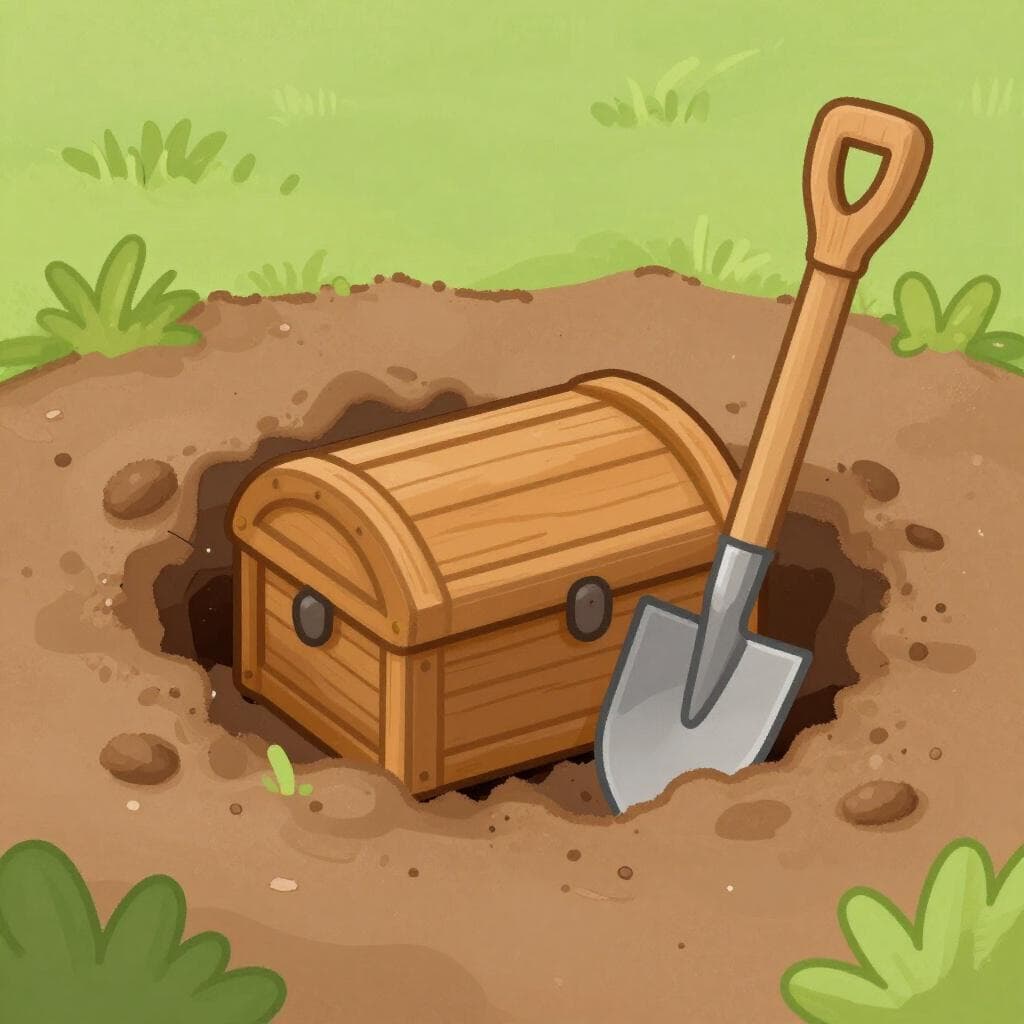
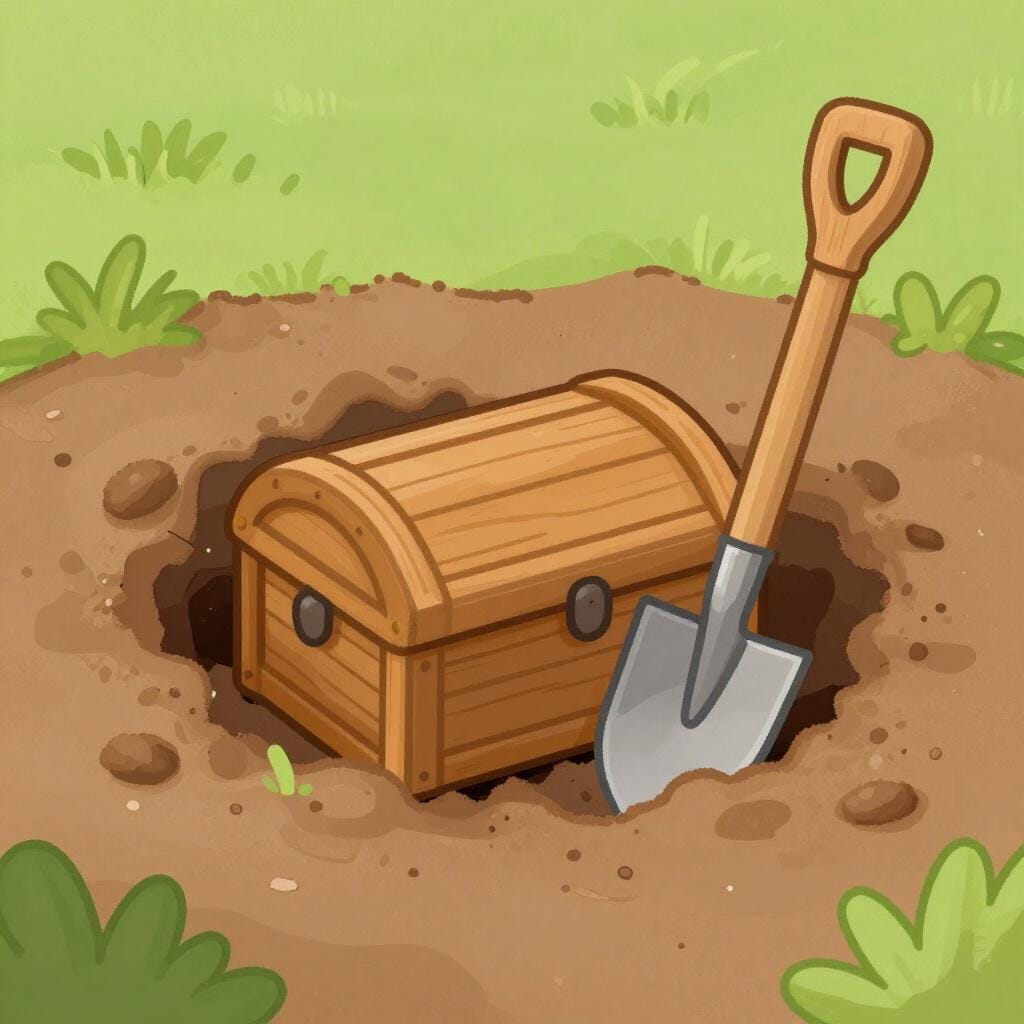
El niño desenterró su tesoro escondido en el patio trasero.
The child unearthed his hidden treasure in the backyard.
El perro desenterró un hueso viejo en el jardín.
The dog dug up an old bone in the garden.
Los arqueólogos desenterraron una ciudad perdida.
The archaeologists unearthed a lost city.
Tuvieron que desenterrar los cables para repararlos.
They had to dig up the cables to repair them.
The 'E' to 'IE' Change
In the present tense, the 'e' in the middle changes to 'ie' when you stress that syllable (yo desentierro), but stays as 'e' when the stress moves to the end (nosotros desenterramos).
Undoing with 'Des-'
The prefix 'des-' works like the English 'un-'. Since 'enterrar' means to bury, 'desenterrar' means to 'un-bury'.
Forgetting the Stem Change
Mistake: “Yo desenterro el tesoro.”
Correction: Yo desentierro el tesoro. Remember the vowel change happens in all forms except 'nosotros' and 'vosotros'.
ex-ka-BARekskaˈβaɾ

Examples
Los científicos excavaron el sitio para encontrar fósiles antiguos.
The scientists excavated the site to find ancient fossils.
Los arqueólogos excavaron una tumba de la época romana.
The archaeologists unearthed a tomb from the Roman era.
Formal Contexts
In scientific writing, 'excavar' refers to the systematic process of uncovering history, not just moving dirt.
General Digging vs. Scientific Digging
Learners often confuse 'desenterrar' and 'excavar' by using the more general 'desenterrar' for scientific or archaeological digs. Remember, 'excavar' specifically implies digging for discovery or research purposes.
Related Translations
Learn Spanish with Inklingo
Interactive stories, personalized learning, and more.