lastimado
“lastimado” means “hurt” in Spanish. It has 2 different meanings depending on context:

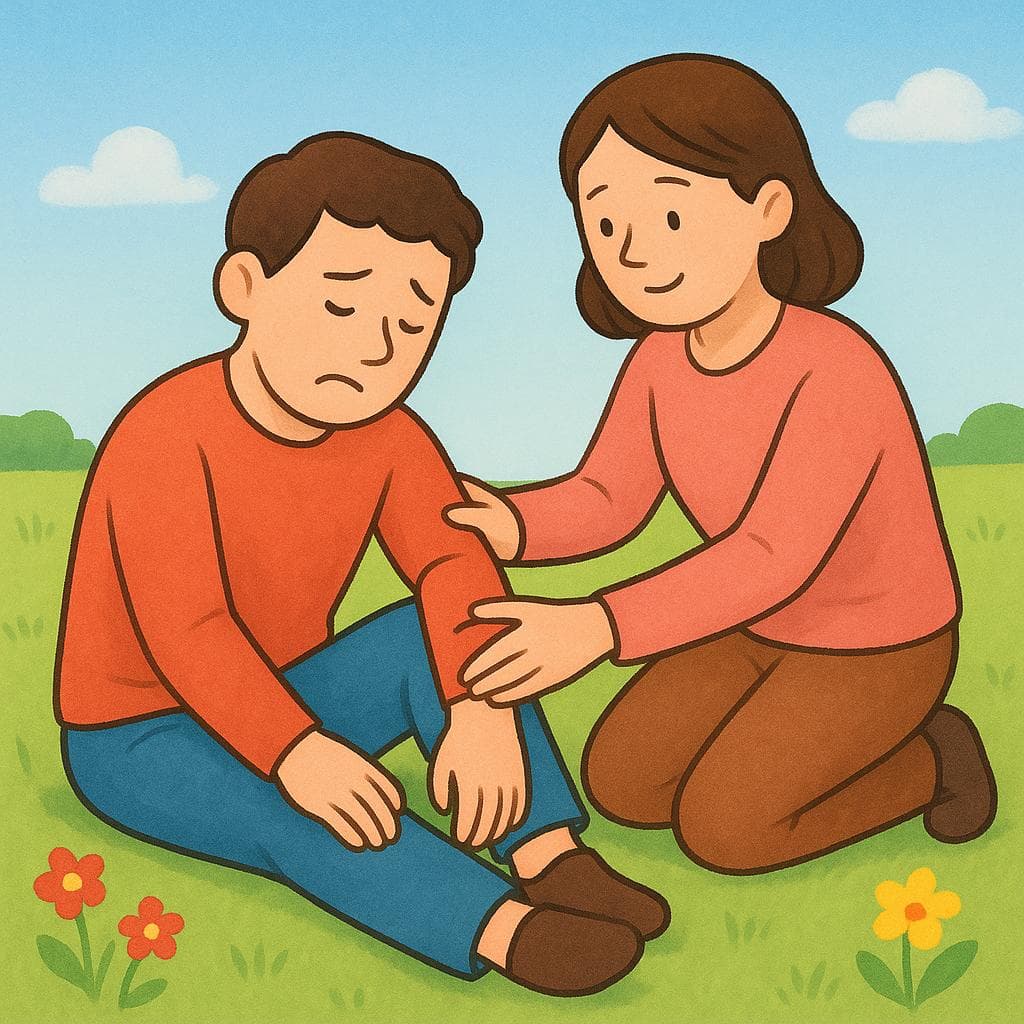
hurt, injuredAlso: wounded, offended

📝 In Action
Mi perro está lastimado de la pata después de correr mucho.
A2My dog's paw is hurt after running a lot.
Ella se sintió muy lastimada por sus comentarios groseros.
B1She felt very hurt by his rude comments.
Hay que tener cuidado con las rodillas lastimadas.
A2You have to be careful with injured knees.
Word Connections
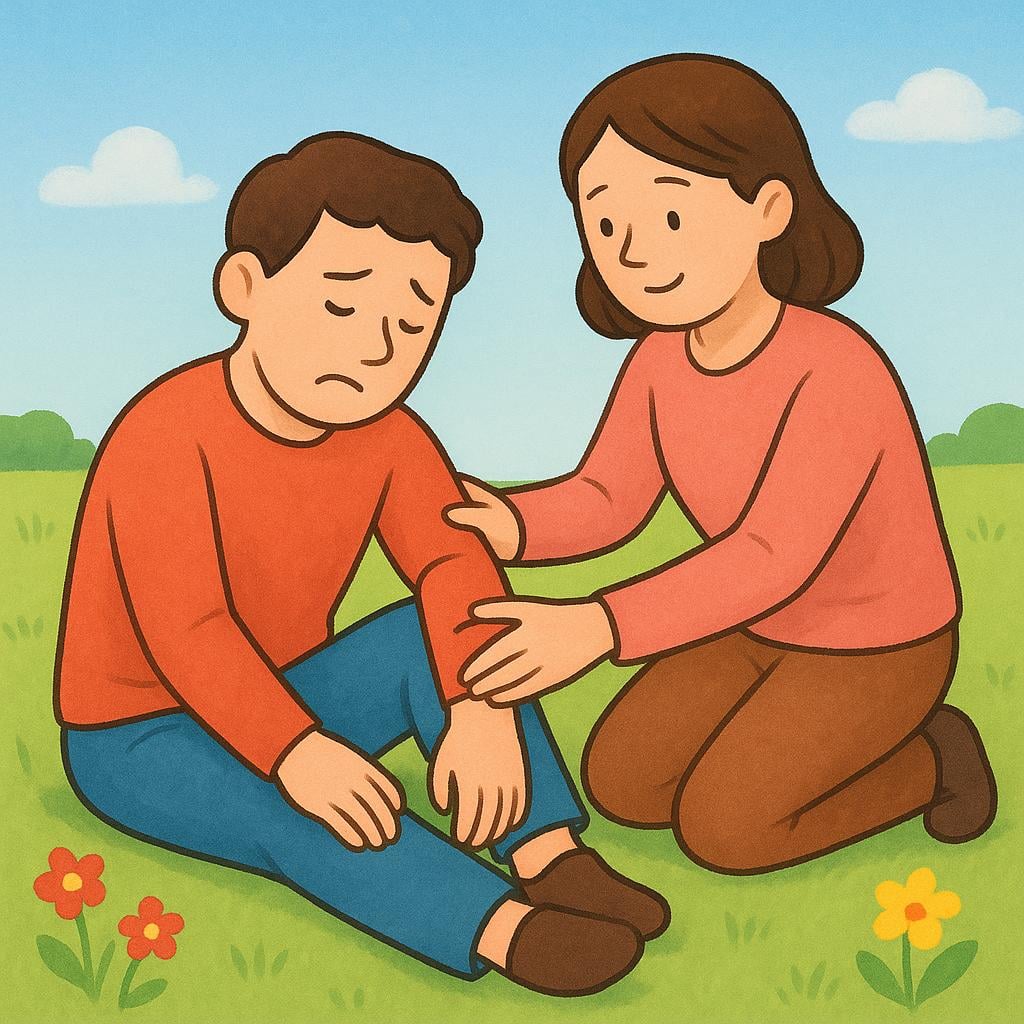
injured personAlso: the injured party
📝 In Action
Los paramédicos atendieron al lastimado en la calle.
B1The paramedics attended to the injured person in the street.
La lastimada fue llevada al hospital de inmediato.
B1The injured woman was taken to the hospital immediately.
Word Connections
Translate to Spanish
Words that translate to "lastimado" in Spanish:
✏️ Quick Practice
Quick Quiz: lastimado
Question 1 of 1
Which sentence correctly uses 'lastimado' as an adjective?
📚 More Resources
👥 Word Family
📚 Etymology
'Lastimado' is the past participle of the verb 'lastimar.' 'Lastimar' comes from the older Spanish word 'lástima,' meaning 'pity' or 'compassion.' Over time, the meaning shifted from 'causing pity' to 'causing harm or injury.'
First recorded: 13th century (as lástima)
Cognates (Related words)
💡 Master Spanish
Take your Spanish to the next level. Read 200+ illustrated and narrated Spanish stories tailored to your level with the Inklingo app!
Frequently Asked Questions
What is the difference between 'lastimado' and 'herido'?
'Lastimado' is a general term for being hurt, whether physically (a bruise, a sprain) or emotionally. 'Herido' is usually reserved for a more serious physical injury, like a cut or a deep wound, especially those involving bleeding or requiring stitches.
How do I use 'lastimado' to talk about a feeling?
You use the verb 'sentirse' (to feel) followed by 'lastimado' (or 'lastimada'). For example: 'Me siento lastimado por lo que dijiste' (I feel hurt by what you said).