víctima
“víctima” means “victim” in Spanish (general sense, of a crime, accident, etc.).
victim
Also: casualty, prey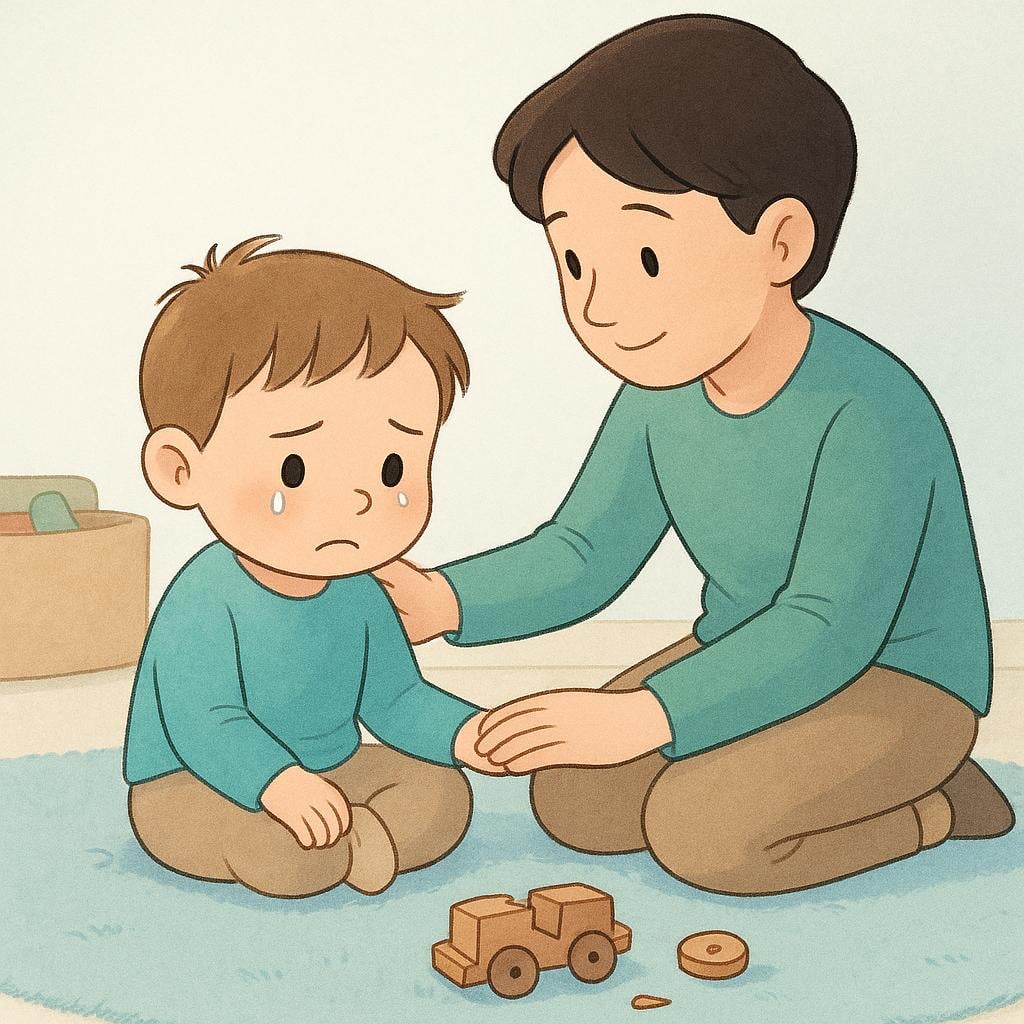
📝 In Action
La víctima del robo describió al ladrón.
B1The victim of the robbery described the thief.
Muchas personas fueron víctimas del terremoto.
B1Many people were victims of the earthquake.
No te hagas la víctima, tú también tienes la culpa.
B2Don't play the victim, you are also at fault.
El testigo ayudó a la víctima del accidente, que era un hombre mayor.
B2The witness helped the victim of the accident, who was an elderly man.
✏️ Quick Practice
Quick Quiz: víctima
Question 1 of 1
A man was involved in a car accident. How would you refer to him correctly in Spanish?
📚 More Resources
👥 Word Family▼
📚 Etymology▼
Comes directly from the Latin word `victima`, which meant an animal or person killed as a sacrifice to the gods. Over time, its meaning expanded to include anyone who suffers harm.
First recorded: Around the 15th century
Cognates (Related words)
💡 Master Spanish
Take your Spanish to the next level. Read 200+ illustrated and narrated Spanish stories tailored to your level with the Inklingo app!
Frequently Asked Questions
If `víctima` is always feminine, how do I show if the person is male or female?
You use other words in the sentence to show the person's real gender. For example, you can use an adjective that does change for gender: `La víctima estaba cansada` (The victim [female] was tired) vs. `La víctima estaba cansado` (The victim [male] was tired). You can also just state it directly: `La víctima era un niño` (The victim was a boy).
Is there a masculine version of `víctima`?
No, there isn't a direct masculine equivalent. `Víctima` is used for everyone. In some very specific legal or academic contexts, you might see the word `victimario` used for the perpetrator or aggressor, but this is an antonym, not a masculine version.